Just about two years ago I engaged in a long masochistic exercise where I wrote about every single short film that played at the Dallas International Film Festival. This was a defeated gesture – I knew that most of the films would be bad – and was mostly done in the spirit of bomb-throwing. In that writeup, I mentioned that rather than settle for what was sent to them on Film Freeway, the program would be better if it was a little more curated. I gave two examples of shorts from that year’s BAFICI (Buenos Aires Festival Internacional de Cine Independiente), Los novios and Una ofrenda musical, that were handily more ambitious and unique than the majority of DIFF’s offerings.
Perhaps it’s because the BAFICI has launched so many of the most important Argentine films of the last 15 years, or perhaps because their cinephilia seems close to mine (in 2023, they hosted a Rajat Kapoor retrospective, an impossible gesture in the world of North American festivals), but the festival has had a spot in my imagination for quite some time. I thought it would be interesting to repeat the exercise with this festival as well. Obviously, the relationship is different. I have a much more combative and adversarial relationship with my local festivals than anything else, while BAFICI is a sort of distant fantasy. When I emailed a few of the filmmakers they gave me the listings for the film’s showings in Buenos Aires! I know that the artistic director, Javier Porta Fouz, has stressed that there are more films and more days and more screens (none of which means much to me), but I’m also aware of the attacks against BAFICI and its leadership last year for their supposed silence on the matter of the absolute dismantling of INCAA by Milei’s government, which led Porta Fouz to have to dispel that notion by going on the radio and promising to add a roundtable for Argentine directors to discuss these issues (read more about this here and here). And then there’s note after note from people who proclaim that BAFICI has lost a lot of its luster (presumably when the peso could actually buy something).
But why short films? Obviously it’s a much less intense time commitment, but I was also curious to understand the profile of those who make shorts. Traditionally it is the purview of the young filmmaker on the path toward a feature. Sometimes those filmmakers make their feature and never go back to shorts. Sometimes those filmmakers go back and forth between the forms, which is rarer. And there are those who stick to the short format exclusively, likelier in the world of animation and the avant-garde (which leads to a certain ghettoization). The rules of BAFICI state that only those who have made up to three features can participate in their international short film competition. But even with this rule many of the filmmakers represented are just taking their first steps – many of the shorts here were made by those without previous credits. Thus, the festival bets on discovery. There are also competitions for Argentine cinema and the Avant-Garde and Genre competition (it’s still unclear to me why these two would be put together). And then there are many thematic sections where films can be slotted (a type of smorgasbord to fit in music films, coming of age films, films about politics). One day they’ll probably add a section with culinary films, just wait.
By being very thorough we can get an idea of the festival’s sensibility. BAFICI is the place that premieres the most Argentine cinema in the world, yes, but I wanted to expand the scope in order to make sure the sample was representative (given that I didn’t expect I would be able to see every single short). In the end, the exercise is a bit of a gimmick, but it gives us an excuse to write about short films, a very neglected form among cinephiles (they’re easy to miss since they’re so tiny). I attempted to contact every single sales agent/producer/director listed in the catalog via email or Instagram and I managed to watch 65 out of the 94 shorts (well, 93… we will discuss that later). Through this effort, I hoped to get a better idea of Argentine film production, trends in world cinema and who knows what else. The shorts are arranged by the order that they show up in the BAFICI catalog. Anyway, to sum up, I hope it is understood that this exercise was undertaken with a spirit of irreverence and capriciousness…
International Official Competition
El día interrumpido / A Day Cut Short (María Villar, Argentina)
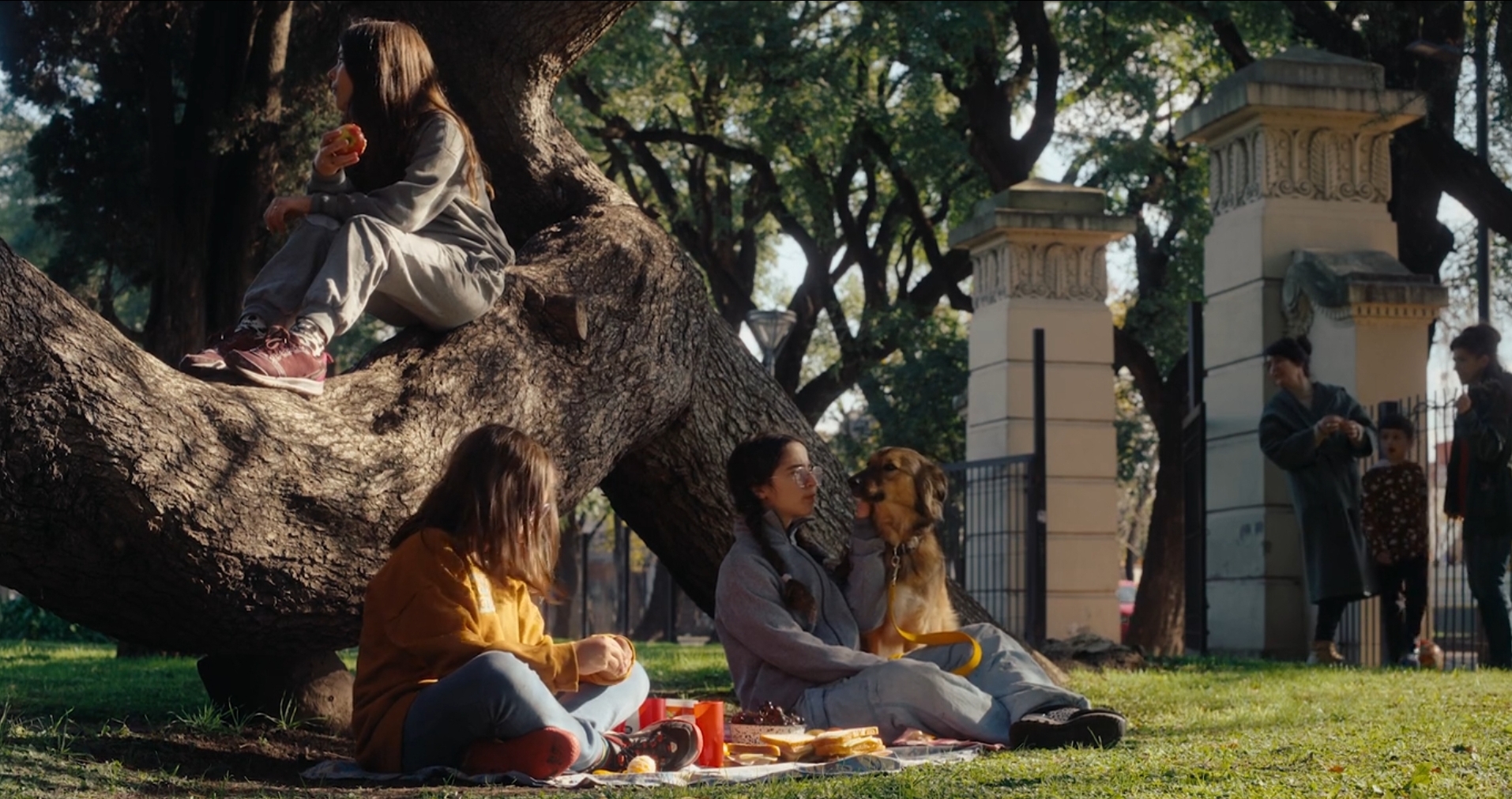
Maria Villar’s short is about the everyday world of a parent as both a source of frustration (Villar’s piano practice is immediately interrupted by her kids) and a source of joy (the various games and adventures the children put on). Villar is, of course, an axiom of Matías Piñeiro’s cinema, but her film lives in a different world – it is a portrait of a certain domesticity, very far away from the academic annotations of Piñeiro, Shakespeare, Sappho and whatever else he’s doing now. The film is mostly guided by the narration of Villar’s character and the lists she makes of the things she has to do, it is the organizing principle, the film is an illustration of the concepts brought up in the narration, forgoing dialogue, forgoing scenes. Overall, it struck me as a bit slight, not willing to complicate its main idea, settling for evoking a feeling, but not moving beyond it.
Hatker (Alejandro Ariel Martin, Argentina)
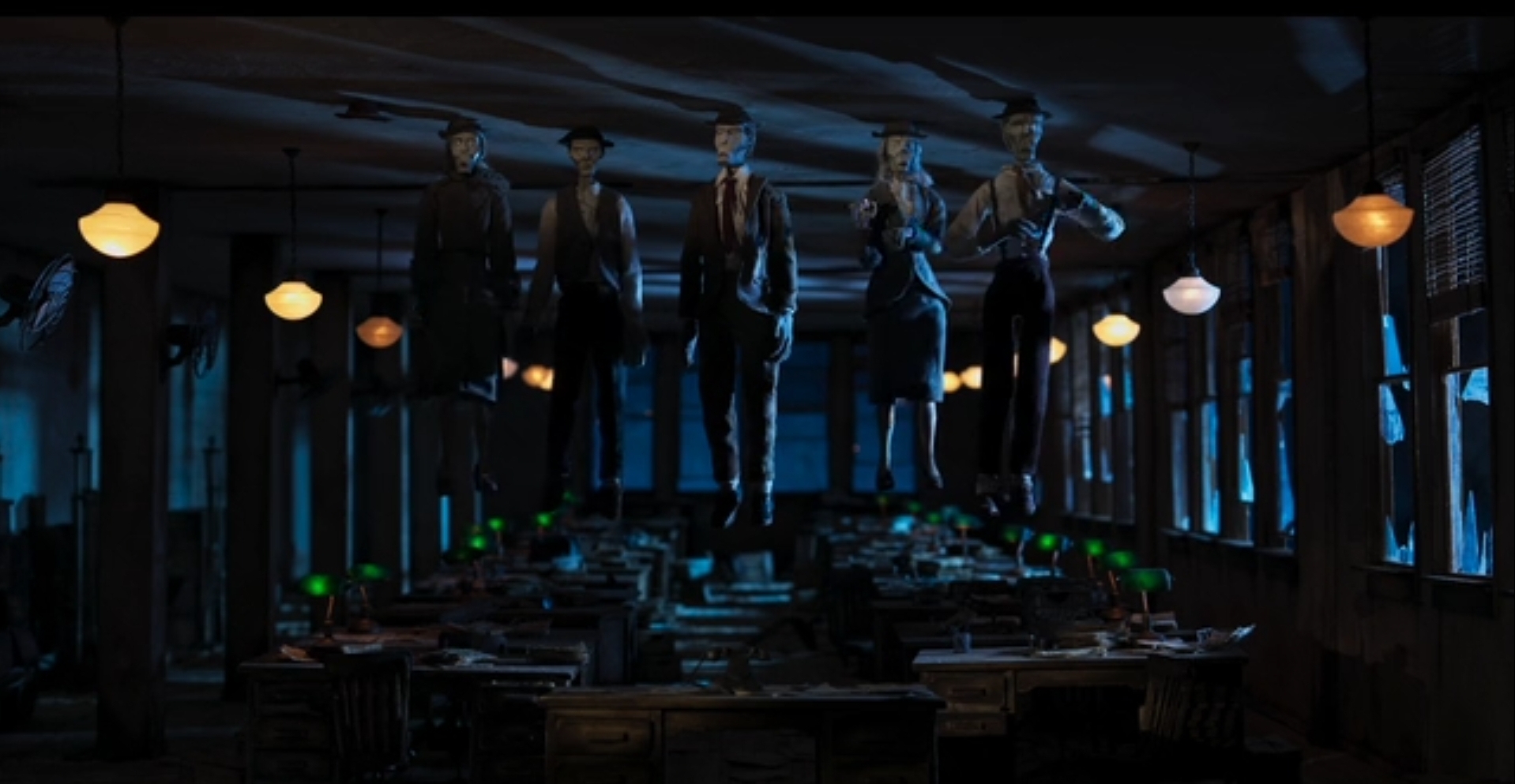
One of the throughlines across the various sections is an allegiance to animation, even outside of Baficito (a section for children’s films), which is commendable. I was against this film from the start, however. Perhaps my taste in animation is quite strict, but I didn’t appreciate the world, the style, the characters, the central story. Perhaps because what it’s after is something that frankly doesn’t intrigue me (I’ve never had any interest in Jan Švankmajer, for example). Its idea of beauty never called out to me and there was never a point of connection. We should also say that in an exercise like this survey there will also be moments where we will immediately say to ourselves, “ah, it’s one of those films…” and quickly move on.
Parado mirando / Standing and Watching (Renzo Cozza, Argentina)
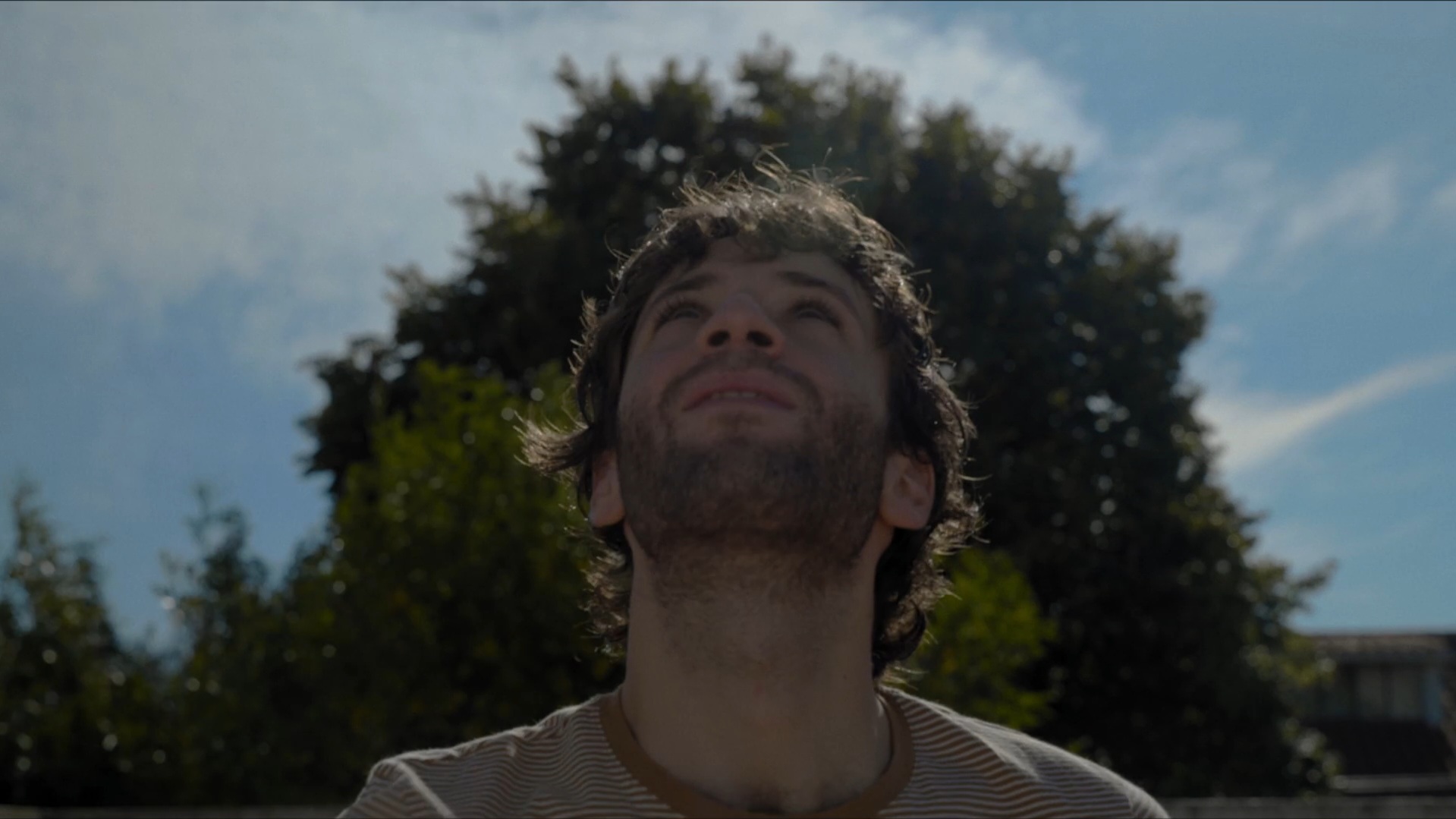
Admirably bizarre. The film moves from one strange encounter to another – the roommate tells the main protagonist that his room smells in a logorrheic explosion, the people at his workplace berate him in a frenzy, there’s a boyfriend, there are kids, there is music… The question is then: what is it doing and what does it mean? Each movement is captivating and funny in equal measure, but it’s the elusiveness of its meanings that makes it fascinating. In a field of films that were only too eager to make their meanings understood, or were stuck in a representational rut (childhood films, family films, trauma films), it was refreshing to see a film that moved so distinctly. I remember last year Cozza had his debut feature in BAFICI, El hincha, and I unfortunately never got around to it. Now I regret that.
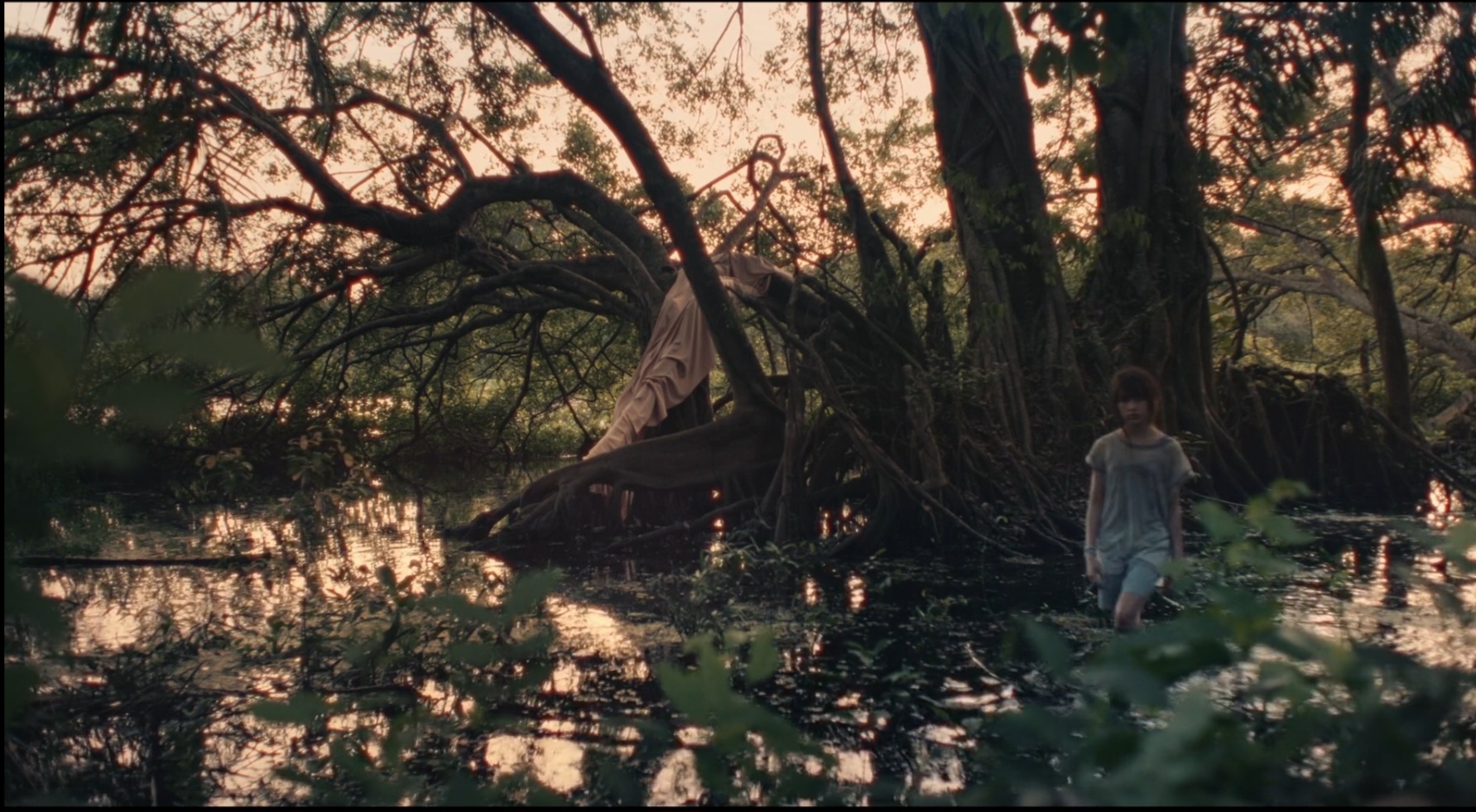
Minha mãe é uma vaca / My Mother is a Cow (Moara Passoni, Brazil)
Chekhov’s Jaguar… but aside from this, the film is less concerned with screenwriting than with the sensations of this young girl who is exploring a world that’s new to her, the wetlands. Her anxiety regarding her mother is felt at every second, the cuts are sometimes disorienting, and the atmosphere is a bit suffocating. The only problem goes back to the tendency of shorts to build up to an image, sometimes a radical idea, and then cut to credits. I find this strategy very objectionable because it betrays the spirit of the narrative. Sometimes this betrayal is necessary and you must go against the story (and the audience). But most of the time when a film ends on a moment like this it is because the filmmaker did not imagine what could happen next. A filmmaker wants to arrive at an image, full of poetic possibility, but then there’s no interest in the conclusion to the poetic line they’ve introduced. Why go back to the real world of the story? We already have the money shot.
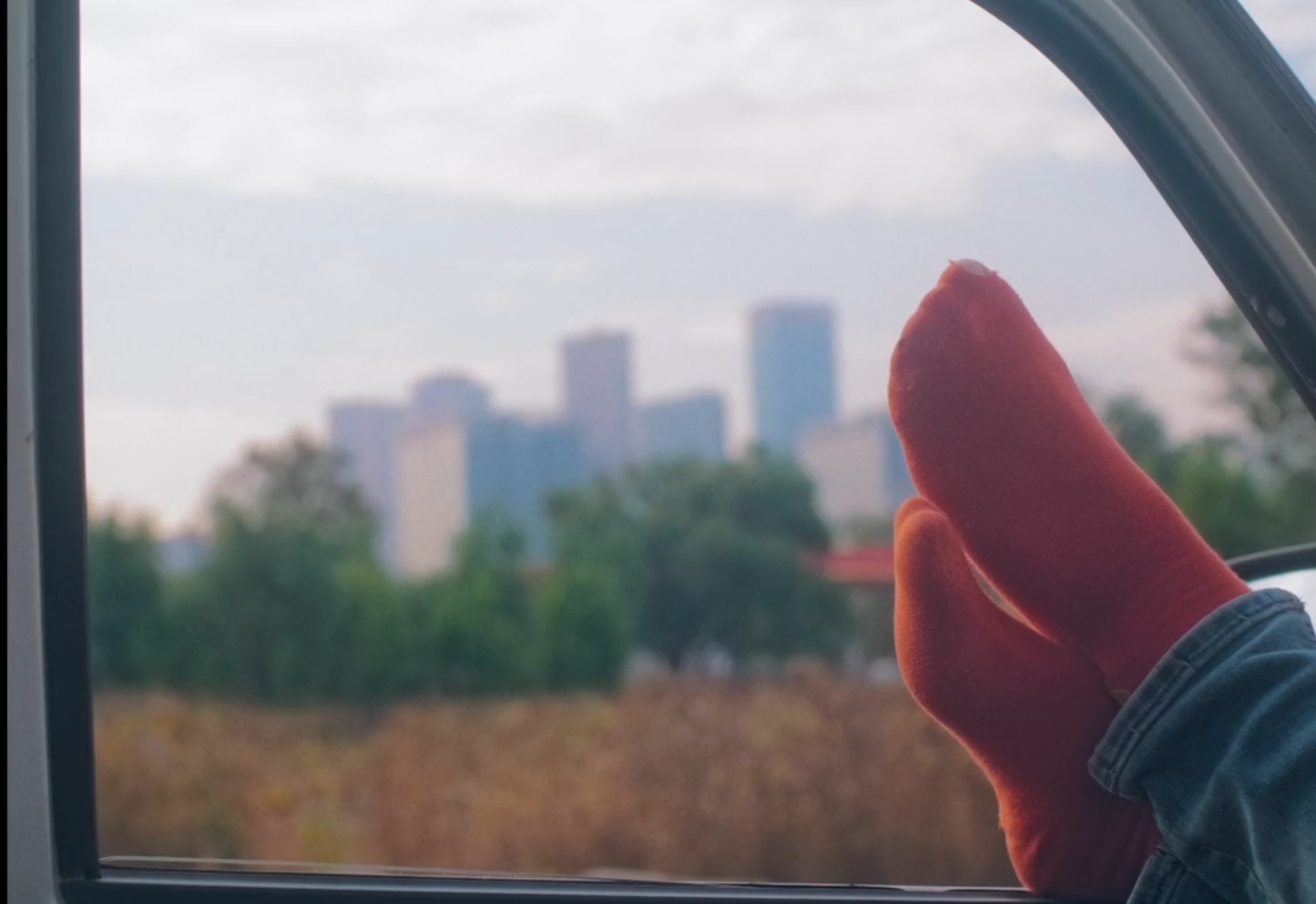
Hippopotami (JJ Lin, China/Hong Kong)
I haven’t seen this filmmaker’s debut feature, Brief History of a Family, but on the strength of this short, it’s obvious that they’re talented. The narrative displacement that occurs in the conversations between the characters is charming, a bit quirky, but it’s more of a front to hide the film’s harsher side (what’s revealed when all the characters go to have a smoke). Honoring that harshness, being true to it, is part of the film’s agenda as well, which is commendable. I haven’t counted, but how many of the films in the festival take as their point of departure the experience of children? Is it easier to understand as a reference, because perhaps it is tied to personal experience or autobiography? Very curious.
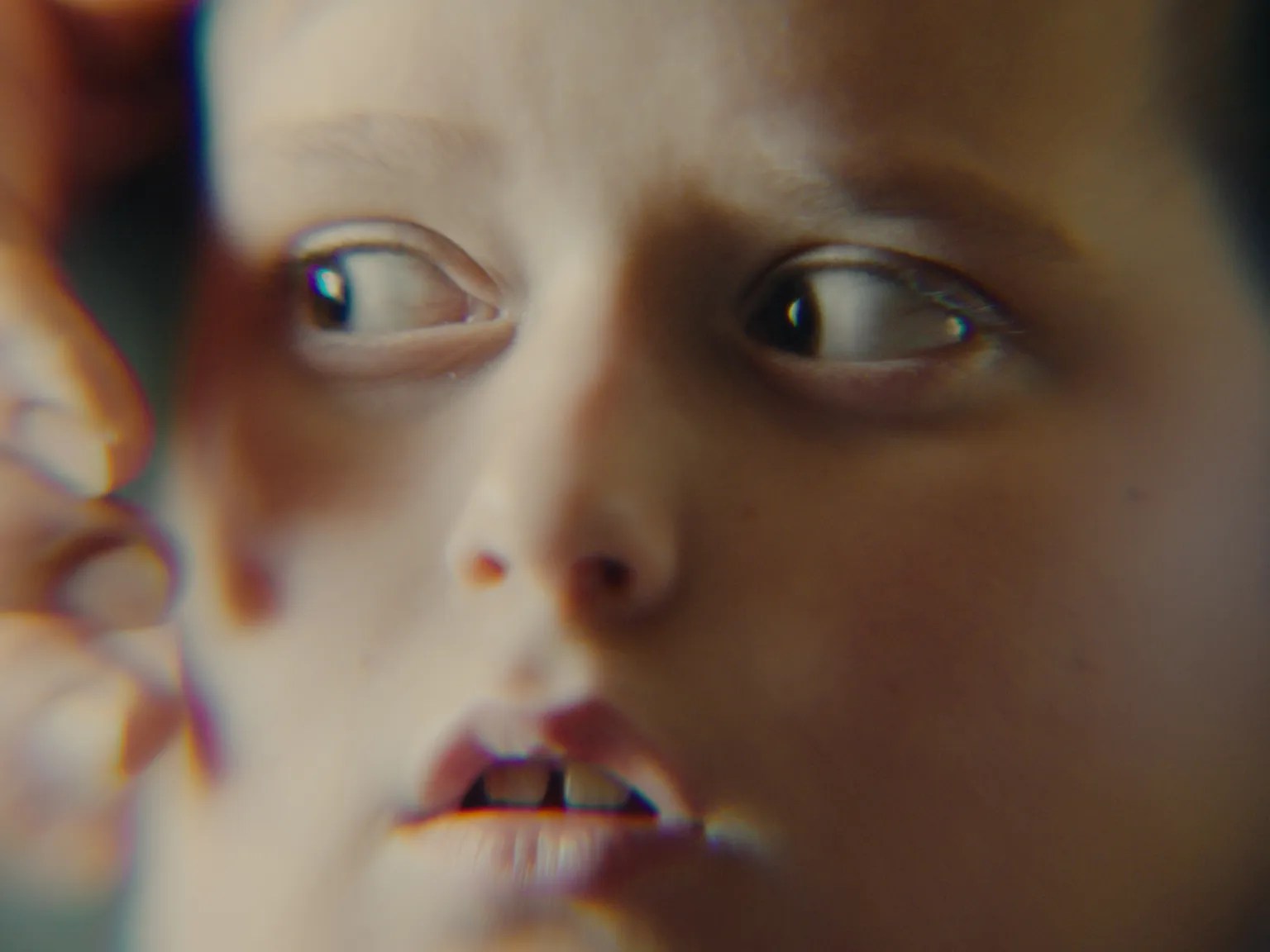
That’s How I Love You (Mário Macedo, Croatia/Portugal)
Very effective short on the lessons of childhood, how we learn of the cruelty of the world, offhandedly, disguised as the wisdom or tradition, from those we love and trust. It’s a very controlled film in its staging, even if I’m not a fan of the extended close-ups during the story scene (specifically the distortion at the edges of the frame). There’s one shot in that monologue of the outstretched hand of the grandmother that belongs to the realm of horror, which basically tells us a bit about the kind of film we’re in. The child actor at the film’s center is also perfect, innocent but avoiding a certain cuteness.

C’était bien / We Had Fun (Linda Lô, France)
If there’s a fault it’s in the shot with the cops grabbing the boy as seen through the window. Narratively, it is a shot that’s necessary, but the cops burst the fabric of the film with their villainy. They are moving too fast, too rushed – in essence, the scene is so sudden that instead of a suspense, all that’s there is shock. The dynamics inside the apartment between the brother and sister are wonderful however. And the final moments are finely judged. This short is apparently being expanded to a feature-length film called Lucky Girl, for which I suppose this now counts as a proof-of-concept. It’s possible that the feature will only magnify some of the issues at play here – namely, a lack of invention in the direction (there’s control over the material, and then there’s the default to the tasteful). We’ll see!
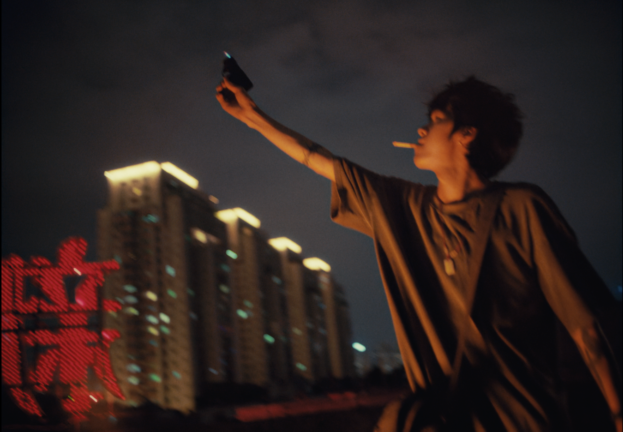
The Burning Night (Demon Wong, Hong Kong)
Very typical of what we expect of Chinese youth films. A certain alienation, stylized shots of young men on bikes riding through the streets… There’s a certain fascination with the fire motif, with the colors that it imposes on the shots, with the gravity that it suggests. But ultimately what it makes clear is that the filmmaker is capable of marshaling together resources to mount these images, not that the images themselves have any sort of power, nor that the filmmaker can do something with them beyond staging them. The anonymous nature of the enterprise is felt when the protagonist goes home. Once there’s no fire, once there’s no danger, there is pretty much nothing to latch onto here.
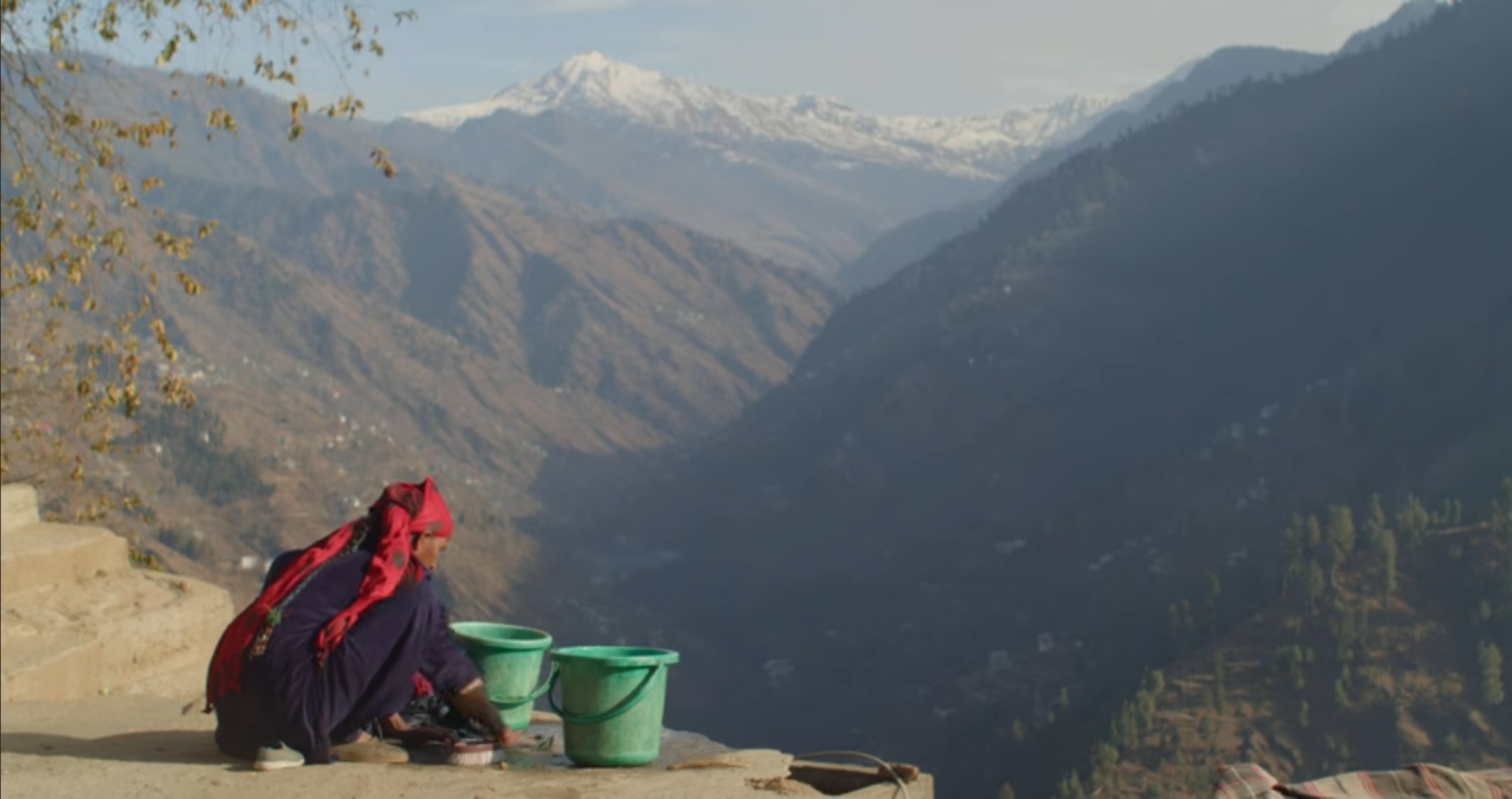
Only if the Baby Cries… (Shadab Farooq, India)
A sort of anthropological study of a village where all the inhabitants are deaf-mute. The director exploits the beauty of the natural surroundings and captures the villagers against dramatic vistas, sloping hills and trees… There is a text on screen once that explains what is going on in the film, but even this information does not overtake our understanding of the images. It’s pleasant and atmospheric but there’s not much to it.
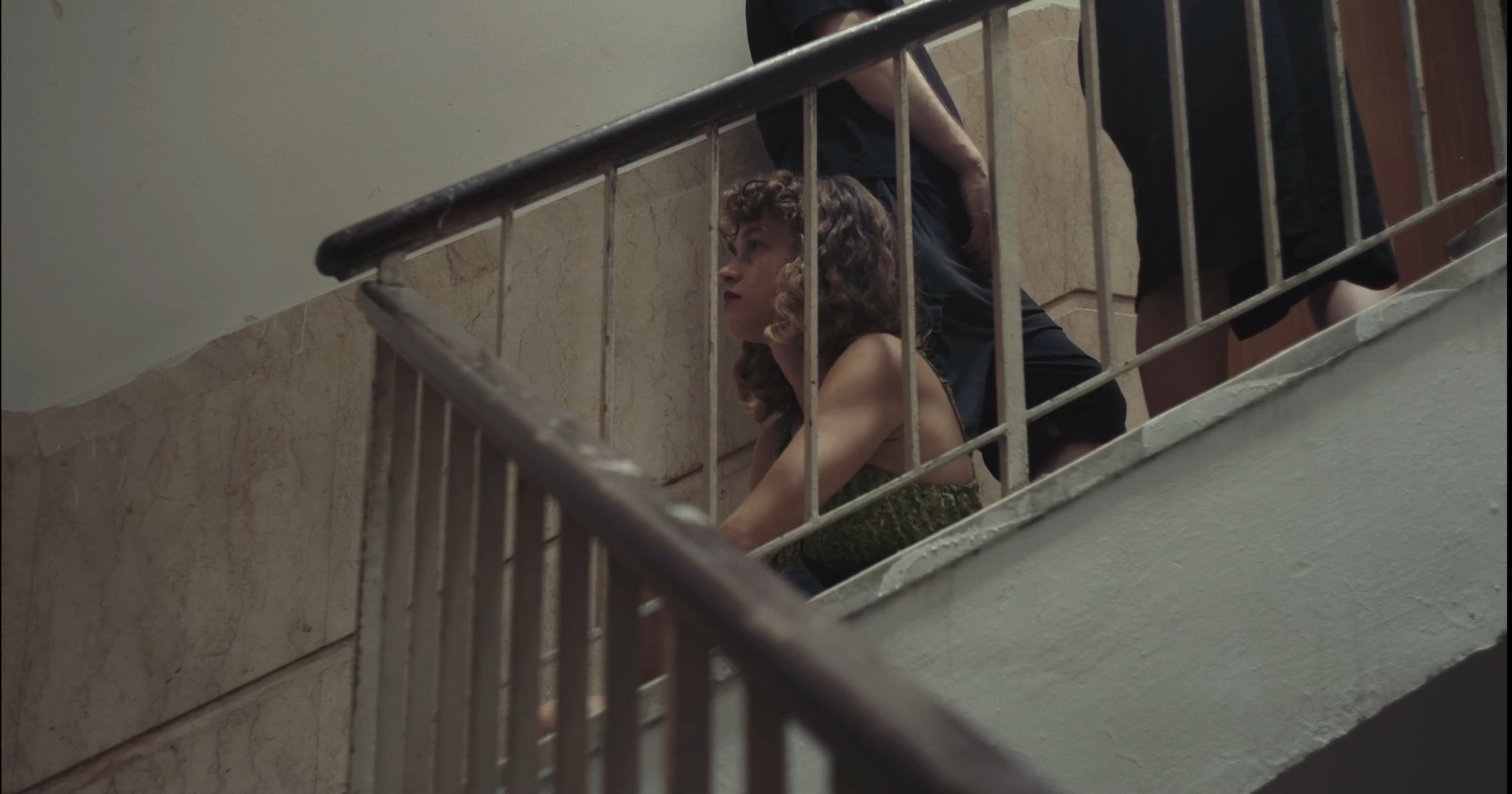
It’s Not Time for Pop (Amit Vaknin, Israel)
David Fernandez (@eldeibik) on Twitter mentioned when the BAFICI catalog was published that neither the words Milei or INCAA were mentioned anywhere. Another word that was not mentioned is Palestine. I bring this up because Israel has 4 films in the selection, one of them a feature documentary called 10.7 Red South has the following logline: “Through previously unseen documentary material, testimonies from survivors and reflections from specialists, this documentary deals with the brutal attack perpetrated on October 7, 2023 by the terrorist group Hamas in the south of Israel” (we will follow up on this later). Now, all of this is very far away from this particular short which features a young woman trying to get an apartment for herself by any means necessary. There’s a one image, very crude, very forceful, that sort of brought me to its side about halfway in, because after this act the film tries to complicate the sexual exploitation that we’ve just seen by further exploring the hidden desires which motivate this inscrutable character. Very much in the foreground of the plotting is that the city of Tel Aviv is in mourning due to a terrorist attack and that several characters are supposed to be attending funerals for their deceased family members. The film’s title is then a reference that national solidarity trumps private desires. Still, when a siren sounds out in the middle of the day for Yom HaShoah and all the people of the street have to stop in silence, I felt very ill at ease with the oppressive nature of the gesture and this society in general.
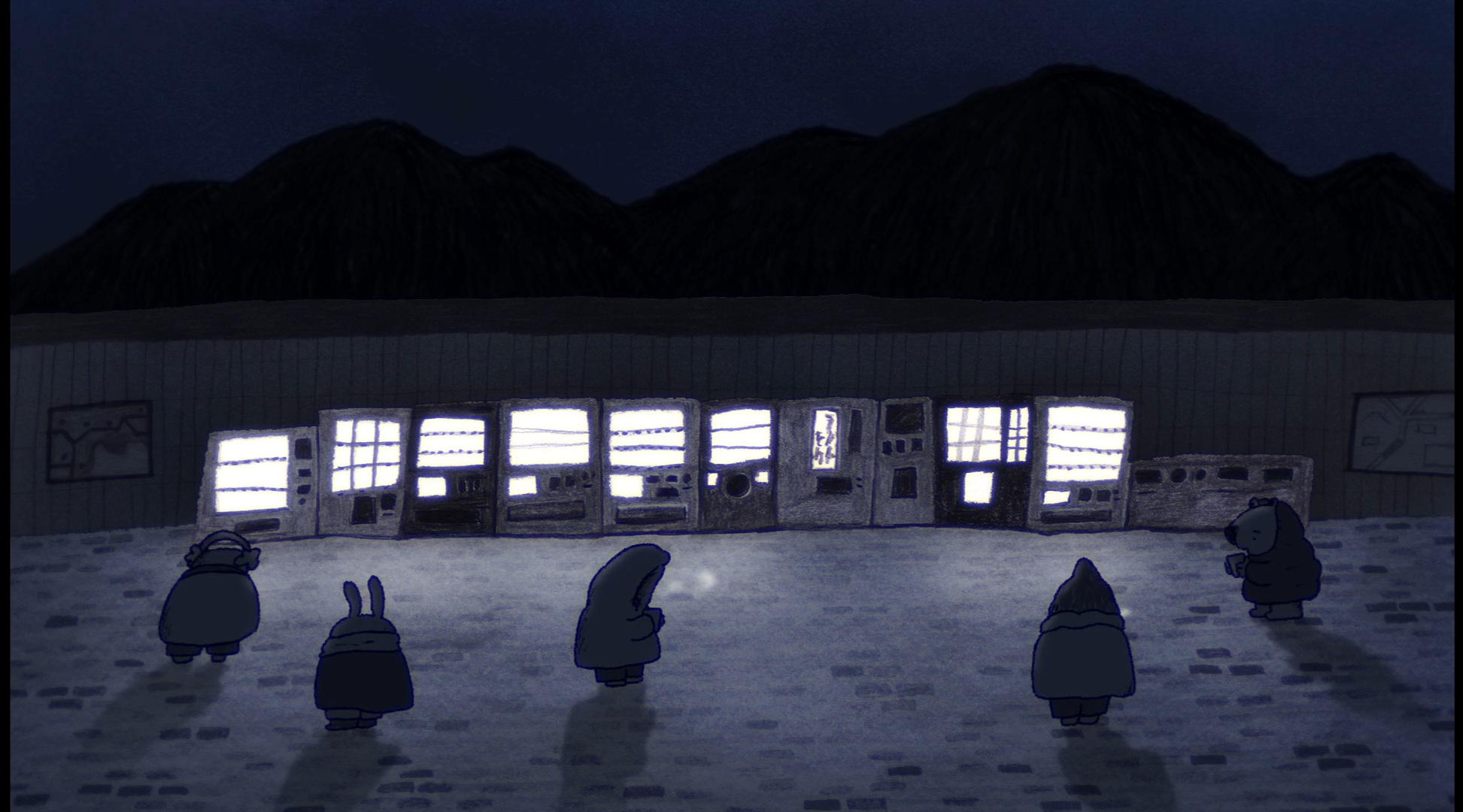
A Night at the Rest Area (Saki Muramoto, Japan)
BAFICI’s International Competition has for the last few years combined shorts and features. The 2025 edition featured 29 films in its International Competition. Perhaps the gesture is not a strong one considering those numbers, but I still find it very intriguing that a film like this could get such a spotlight. I was reminded of a Tsai in his Goodbye Dragon Inn mode, where there are numerous little miniature sketches of attraction between bodies, as well as of their isolation. This film doesn’t quite have those same longueurs but the idea is similar. More than anything else, the character design and animation are simply perfect – this thing is very cute and expertly realized.
Argentine Official Competition
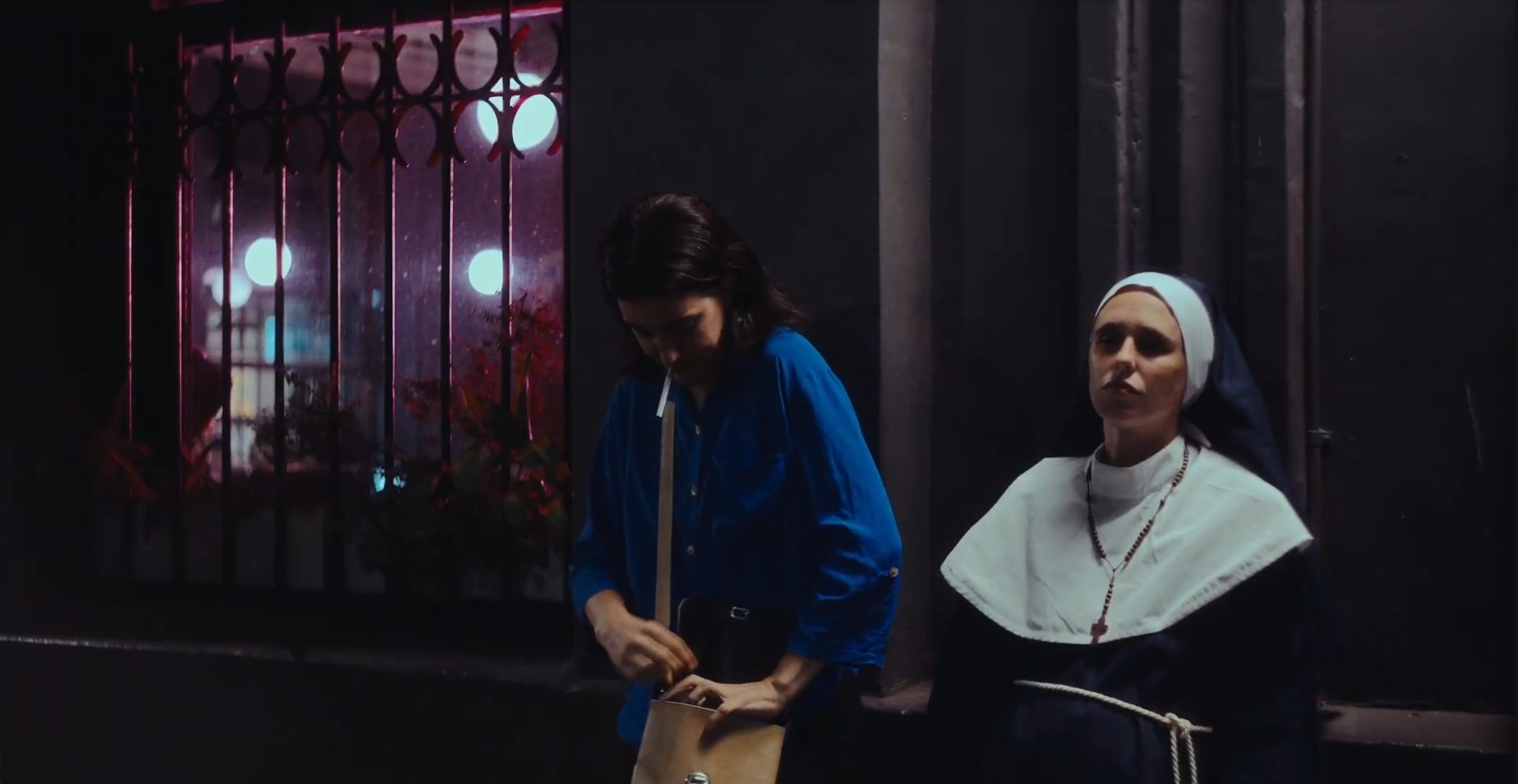
Después del silencio / Echoes of Silence (Juana González Posse, Argentina)
I will freely admit that I never got on this film’s wavelength. The relationship between the short flashbacks and the character’s present, very silent, life seemed practically inconsequential. And the film’s religious symbolism never made any emotional sense. The film is doing things, but the meaning of them proved elusive and its surfaces were not seductive enough to break through either. The images of the nun doing karaoke and smoking a cigarette outside were the highlight, of course.

Dolor Fantasma / Phantom Pain (Franche, Argentina)
Too much concept. The characters are conduits for behavior, movie behavior, that the film wants to get across (the main character can’t do anything else until he gets a poem written down on paper). There’s a music performance because there’s a desire for there to be one, but the lines which take us from one to thing to another are obscured. The connections between the character are vague and ill-defined. Nothing works.
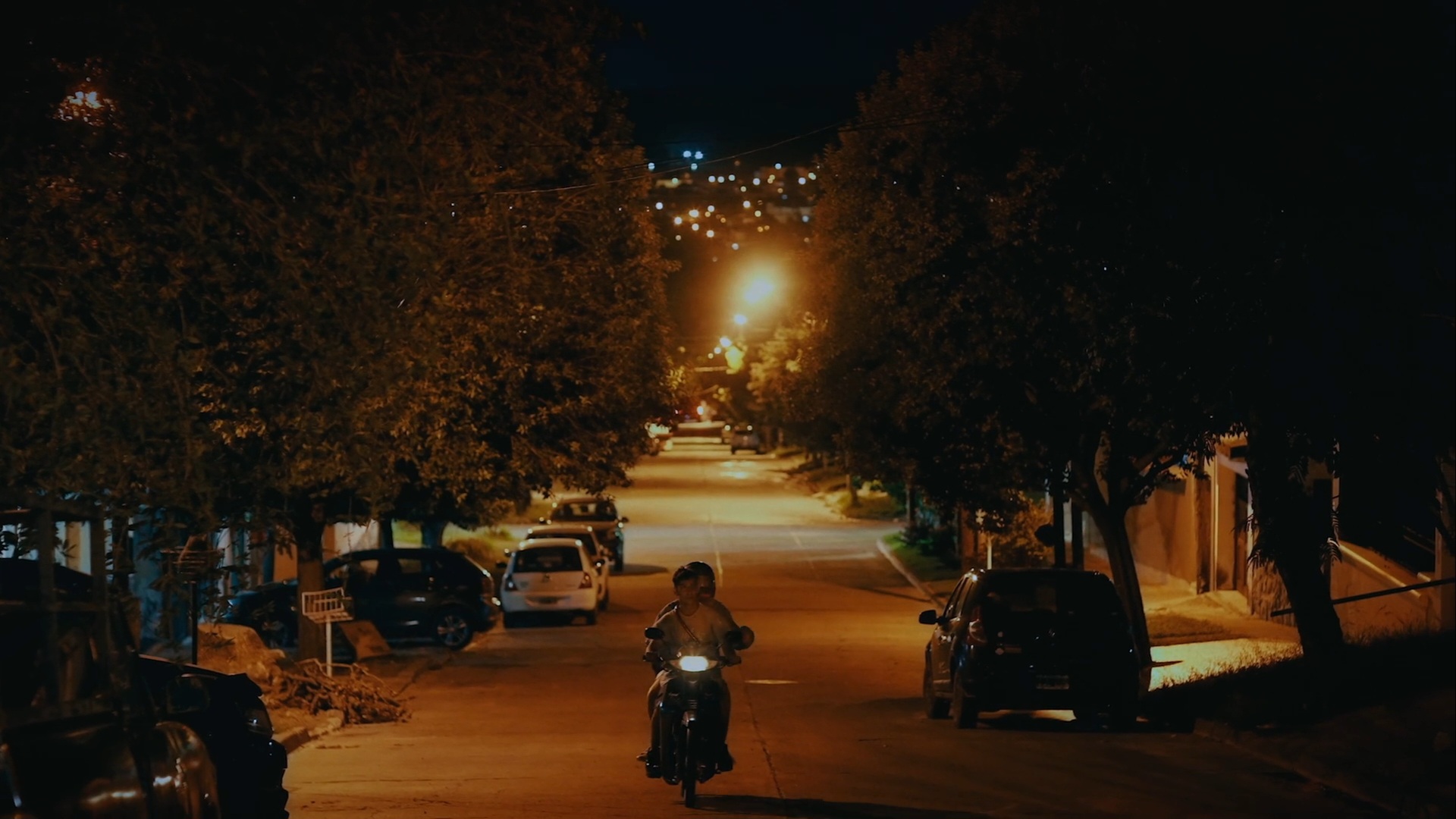
Este no es tiempo para carnaval / No Time for Carnaval (Tadeo Pestaña Caro, Kevin Havas, Argentina)
From the distance that I’m viewing these short films, their particularities become a little flattened. For example, how many of these shorts take place in Buenos Aires? Or Cordoba? This one appears to take place in Salta, which is across the country. And I probably wouldn’t have realized that without the logos of the state bodies involved in the production. This particular film is a lovely little time capsule of a time when pirate DVD salesmen went out to the streets to sell DVD’s of Kill Bill and Lost in Translation. There’s a focus in the minutiae of making the rounds, going places you’re not used to, getting a bit lost, downloading the films, printing out the covers… In the background there’s the stolen mirrors of the bikes, and this becomes prevalent near the end, but the guiding principle, the key image, is this young protagonist driving his bike at night – how many films have been borne from that same starting point?
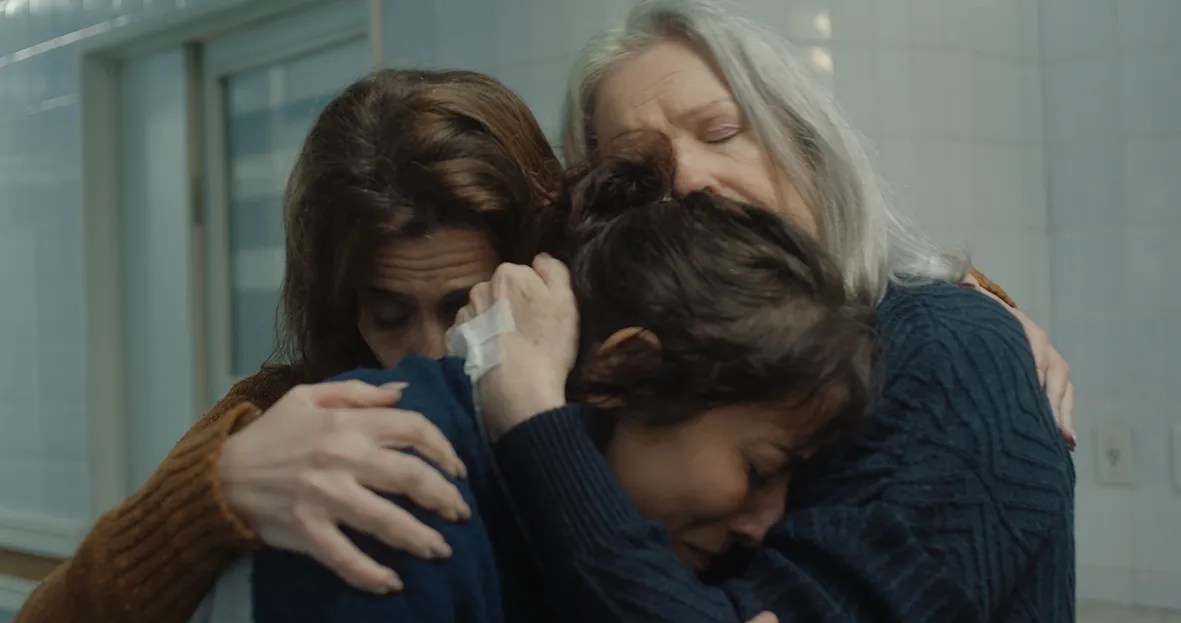
La propia piel / One’s Own Skin (Guadalupe Docampo, Argentina)
In theory a very interesting scenario where the main character throws away all responsibilities for the opportunity of erotic abandon (and transgression), but this is quickly forgotten as the ties of family assert themselves. Perhaps this is true to the characters, but the material in the hospital strikes me as less inspired.

Las panteritas / The Little Panthers (Alejandro Gallo Bermúdez, Argentina)
The modern world of the couple, mismatched, slightly combative, very funny, is put to the test by the pandemic. Will they quarantine together? The particulars of the couple are delightful, and the performers bring a real personality to the work, not just the language, but rather the way the film deals with their physical differences. There’s also just a wonderful crudeness, refreshing even, to how they negotiate and communicate. The film’s sneaky ambitions are hidden in a veneer of casualness, but even in the face of the pandemic, knowing the person in front of you, facing them truly, is the most important thing.

No quiero ver el sol, quiero ver el sol / I Don’t Want to See the Sun, I Want to See the Sun (Constanza Epifanio, Argentina)
The opening sequence with the shots of all the people sleeping is immediately intriguing and shows a compositional rigor that the rest of the film does not quite follow through on. That said, what it brings to the table to make up for a looser style is a facility with working with the child actors, a real feel for their personalities and their movements. The film feels guided by a childish emotion and it tries to honor the spirit of staying up late at night for no reason. The behavior on display (games, shrieks, silly poses) is something hard to get right and to assimilate into a dramatic framework. This film does it well.
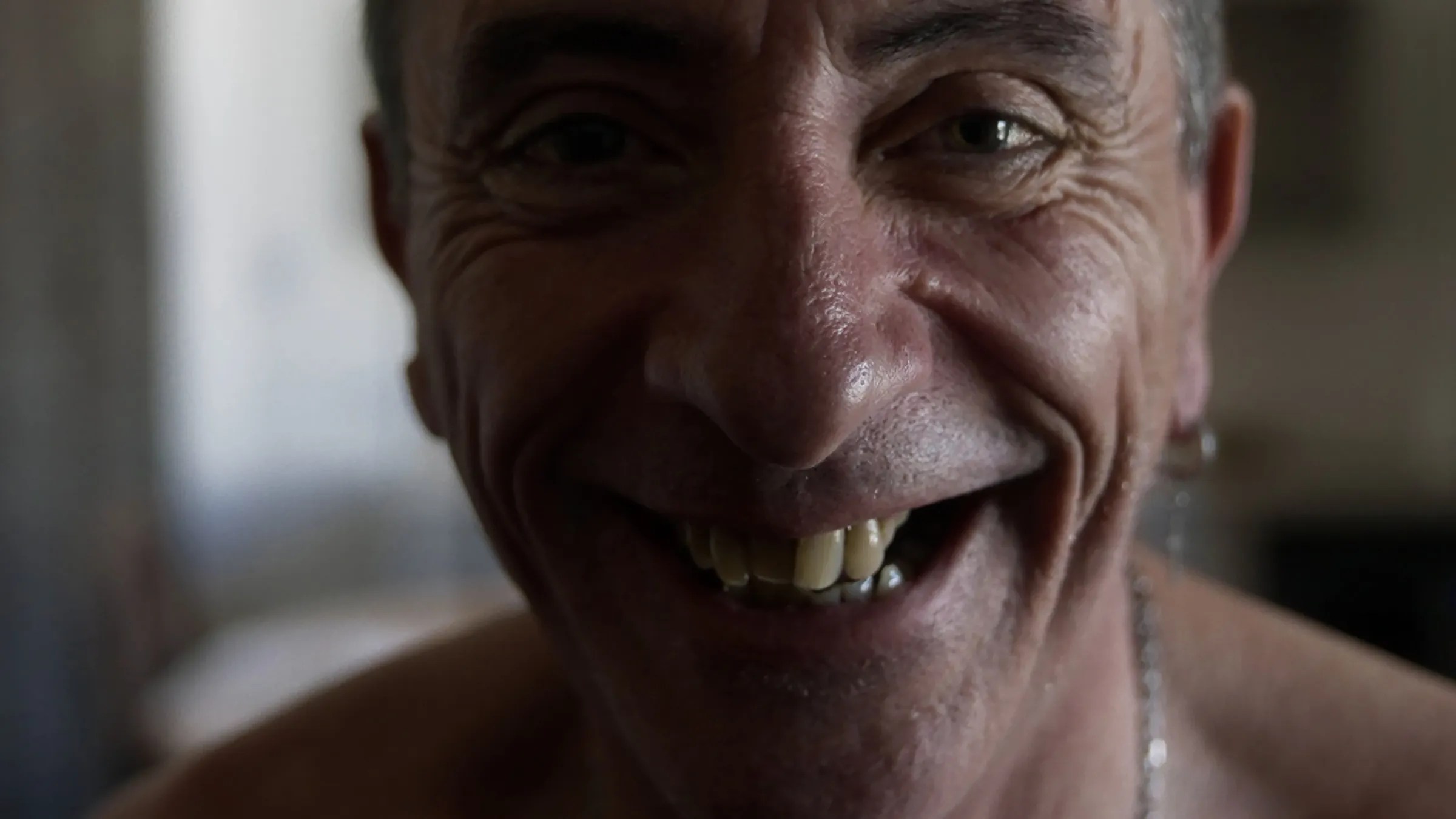
Renegrido / Shiny Cowbird (María Celia Ferrero, Argentina)
A documentary portrait of a former cop that now sings songs in his retirement. There is an effort by the filmmaker to spruce up her subject, to look for ecstatic images (Herzog is referenced in the catalog), but more often than not these interventions don’t do much of anything. It is an attempt, rather than a fully thought-out artistic gesture.
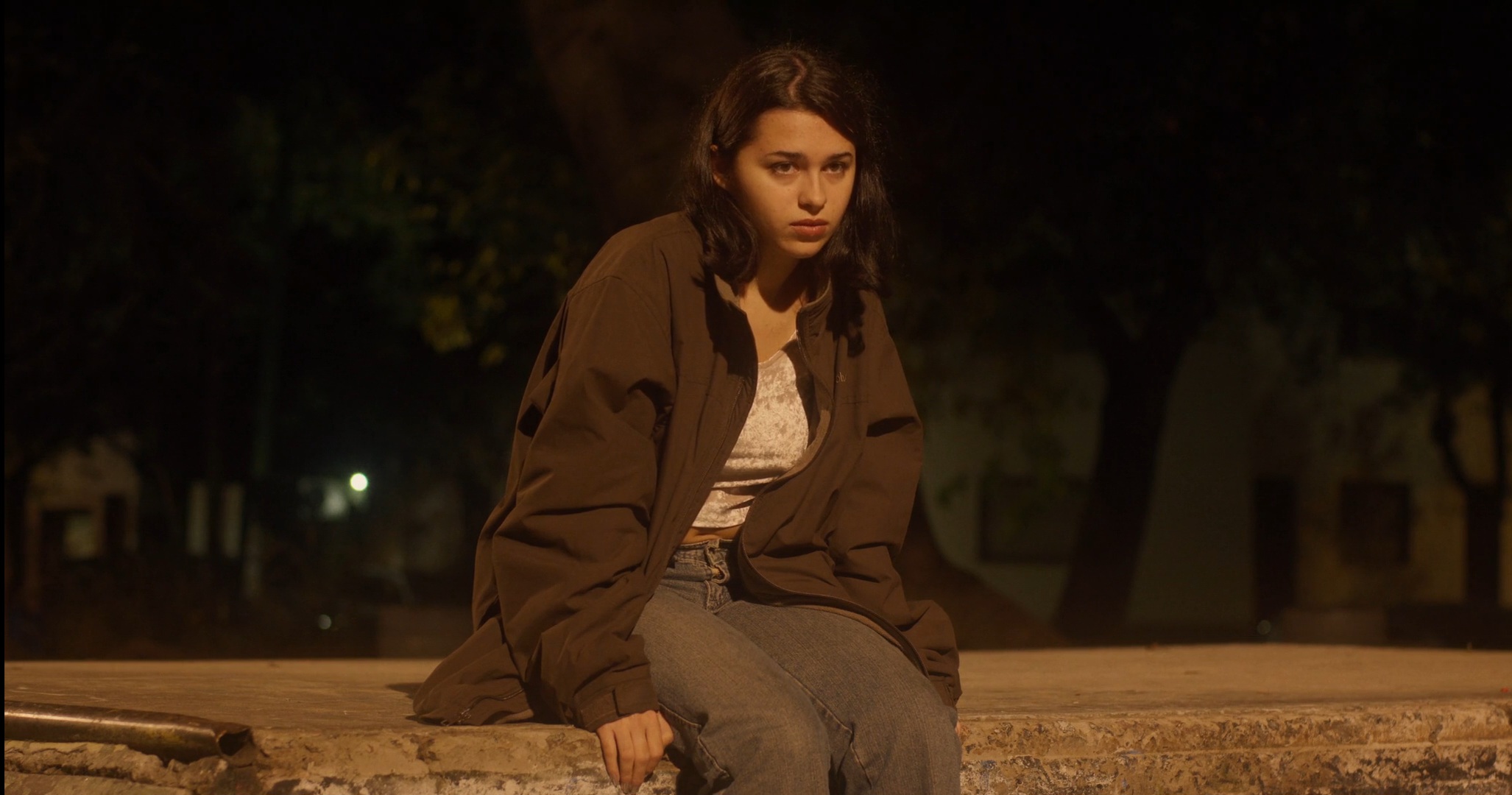
Si durmiera / If I Slept (Emilia Mark, Argentina)
The young girl’s insomnia becomes an excuse to express a hidden romantic aspect. The girl goes out to the city at night, stares with a plain longing, unsure of what might happen, or what it might mean. The girl’s insomnia is contrasted with her sister’s epilepsy (and endless sleep), but this element doesn’t particularly impact the film too much. So much of this is given over to the girl’s face and the shifting emotions playing across it… Is this enough? This is something I struggle with when thinking of these shorts.
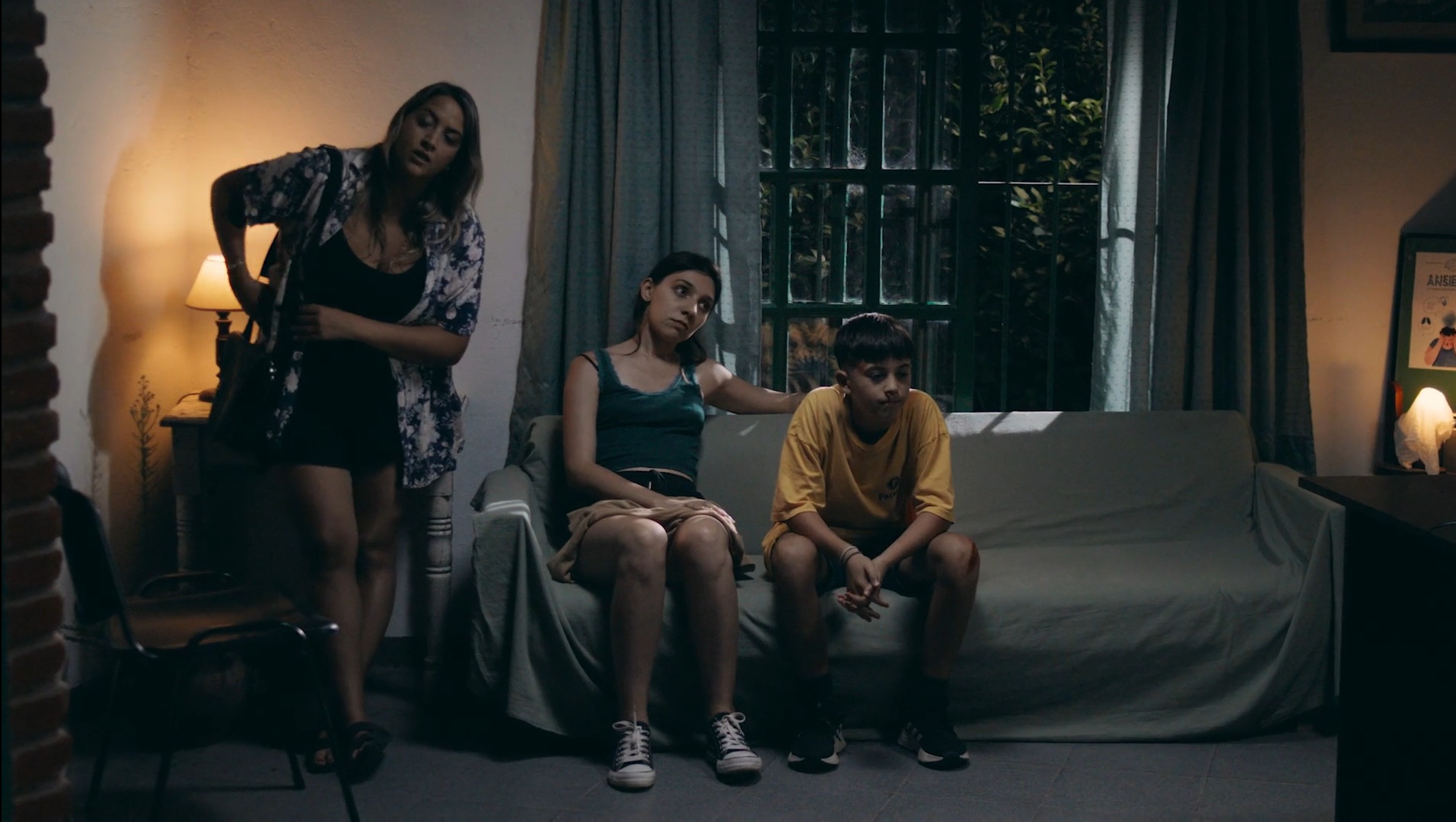
Un verano / Just a Summer (Fátima Fernández Mouján, Argentina)
Family films can be fascinating if they reveal an idiosyncrasy, an impenetrability, to the codes of the particular family it is focusing on. The fact that we’re all members of a family makes them immediately relatable in some fashion so a sharp characterization seems necessary to make the proposal interesting. In this particular short film, there is a welcome spikiness to the relationships between the mother and the son, and the sisters as well, that makes the film worth watching. The gestures at the end do feel a little pat (always with the shared cigarettes…) but that doesn’t mean that these weren’t people worth spending time with.
Many of these shorts are very professional productions with gaffers, electricians, sound mixers, etc. They are not micro-budget mumblecore films. So when I think about the amount of resources that went into the creation of these films I begin to question the validity of the enterprise. Because many of these shorts are, first of all, about theme, a subject matter. It is not about direction, it is not about the organization of space, or the relationship with the camera. So a film like this one proposes a theme, it gives us some very tender shots of the two sisters sharing the cigarette but there’s no great intervention or authorial gesture that shocks us or sends us somewhere new. So is it enough? Perhaps for these young filmmakers taking their first steps into the world of cinema it is enough, to evoke a feeling, to capture a vibe, but that crucial next step is one that’s missing.
Avant Garde & Genre Competition
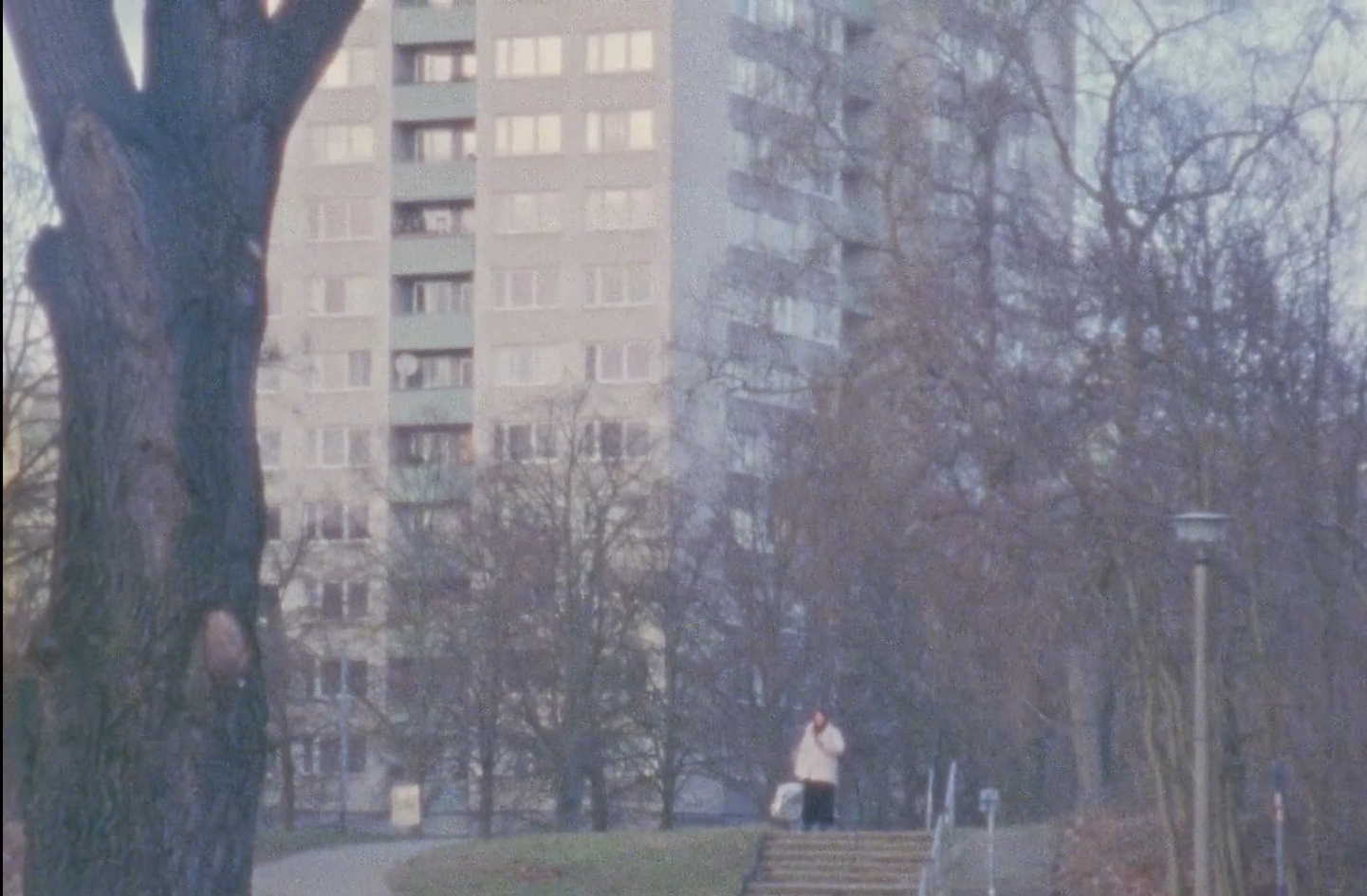
Inflatable Bear, Hourly (Elisabeth Werchosin, Germany)
I should note here that I don’t particularly have a relationship to avant-garde cinema beyond a few key titles, and if we speak of genre then my allegiances are to the melodrama, the musical, the romantic comedy (I’m very ambivalent about horror, for example). So when tackling the films in this section, that should be made clear.
The film fails early on with its key dialogue scene. The interview registers as a small humiliation, sure, but the insistent editing patterns leave no doubt as to the filmmaker’s trust in the audience. The sound design follows suit later on when the main character is being harassed out of her bear costume and a sound collage drowns out all dialogue and noise. There’s just no control to the filmmaking, no thoughtful construction – it’s all effects, looking for profundity.

Campana (FRAD, Argentina)
I wonder how much many times this short cuts to black. The imagery is fine, though I think it becomes pretty much useless when they speed it up – it’s as if they lost confidence in their approach halfway through, or didn’t know what else to do with their motifs. I don’t believe in the fetish of photochemical processes, or that there’s a mystique associated with film, but I respect the commitment of certain artists to exploring the properties of film. I’m not sure this film does anything interesting with this approach.

Solear / Sunblasting (Hernán Khourian, Argentina)
It’s strange to say that I got more out of the Jujuy narration regarding Incan myths regarding the sun and the moon than the actual filmmaking, which struck me as somewhat rote (why do so many of these shorts sound the same?). I perked up when the film scrolled through a series of photographs along what looked liked a Kodak Ekta roll.
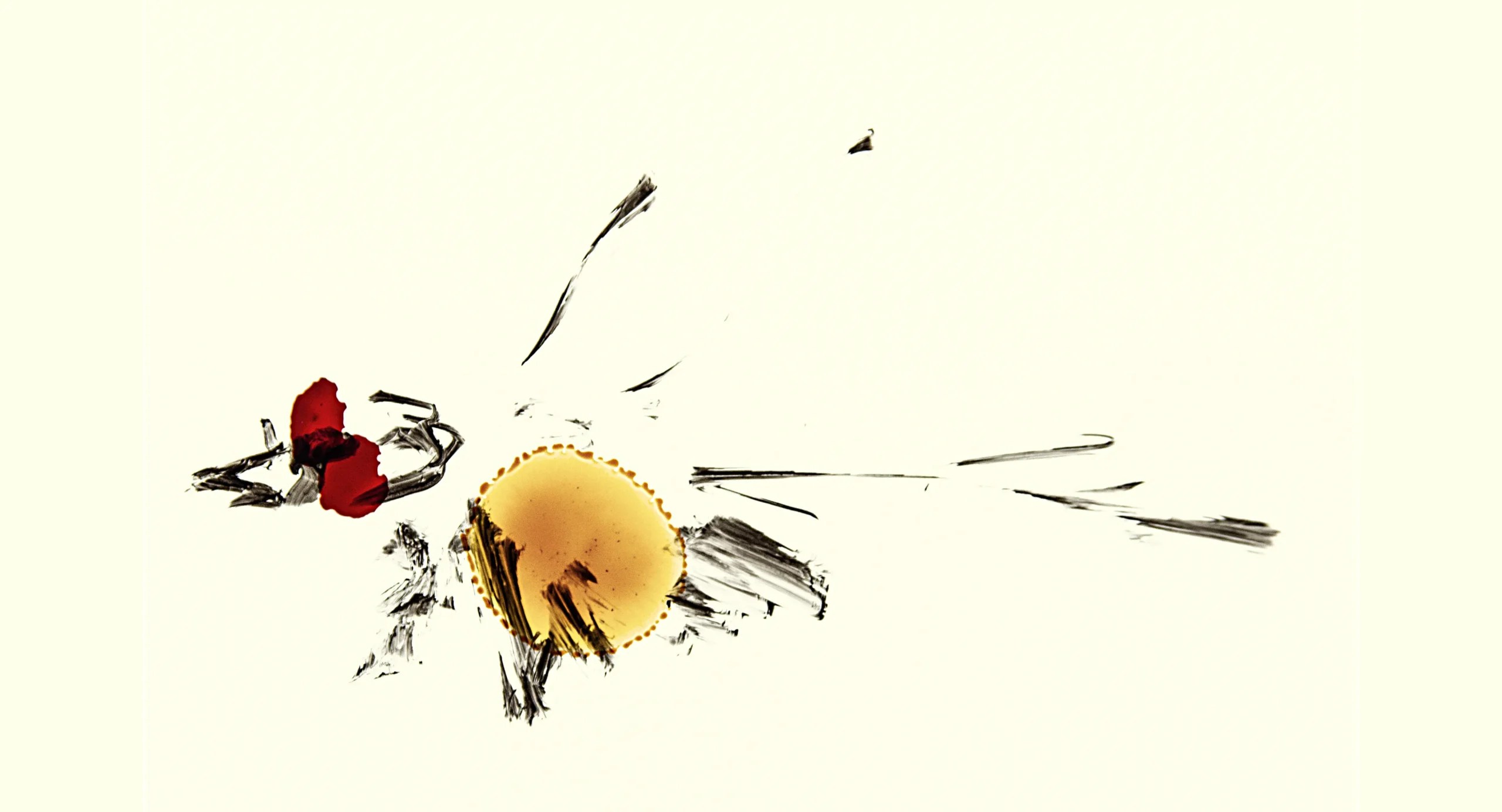
Samaa (Ehsan Gharib, Canada)
The strobe-like effects were not particularly effective and made me lose the focus of the movement of the bird and the rhythm at the heart of it (which seems crucial). We can stop here to say that at 2 minutes this feels like a sketch of something more. My frustration with short films is often that they only have one idea that they want to develop and that there’s no movement in them, a sense that they’re evolving before our eyes, and that they take a leap toward an unexpected place, becoming something else entirely… Time seems necessary for that process. Definitely takes more than 2 minutes (unless you’re Godard in Je vous salue, Sarajevo).

No Room (Jelena Oroz, Croatia)
Fairly amusing animated short billed as “revenge” on the cars that race down the narrator’s street, making it impossible to ever open a window, or to cross safely to go to the park. This revenge is tied to a busy style that constantly seeks ways to reinvent ways to visually depict its subject (the cars have legs, some are muscly, some have angry human heads on their roofs). The ending is quiet and lovely – all we have against this world is our imagination.

Portales / Portals (Elena Duque, Spain)
The mix of animation and live-action was interesting and often invigorating, but even at 15 minutes this felt like it overstayed its welcome – there’s not enough premise to overturn and play around with. Elena Duque is a name I’ve seen pop up here and there in festival programs so I had some expectations, but maybe this wasn’t the right introduction.
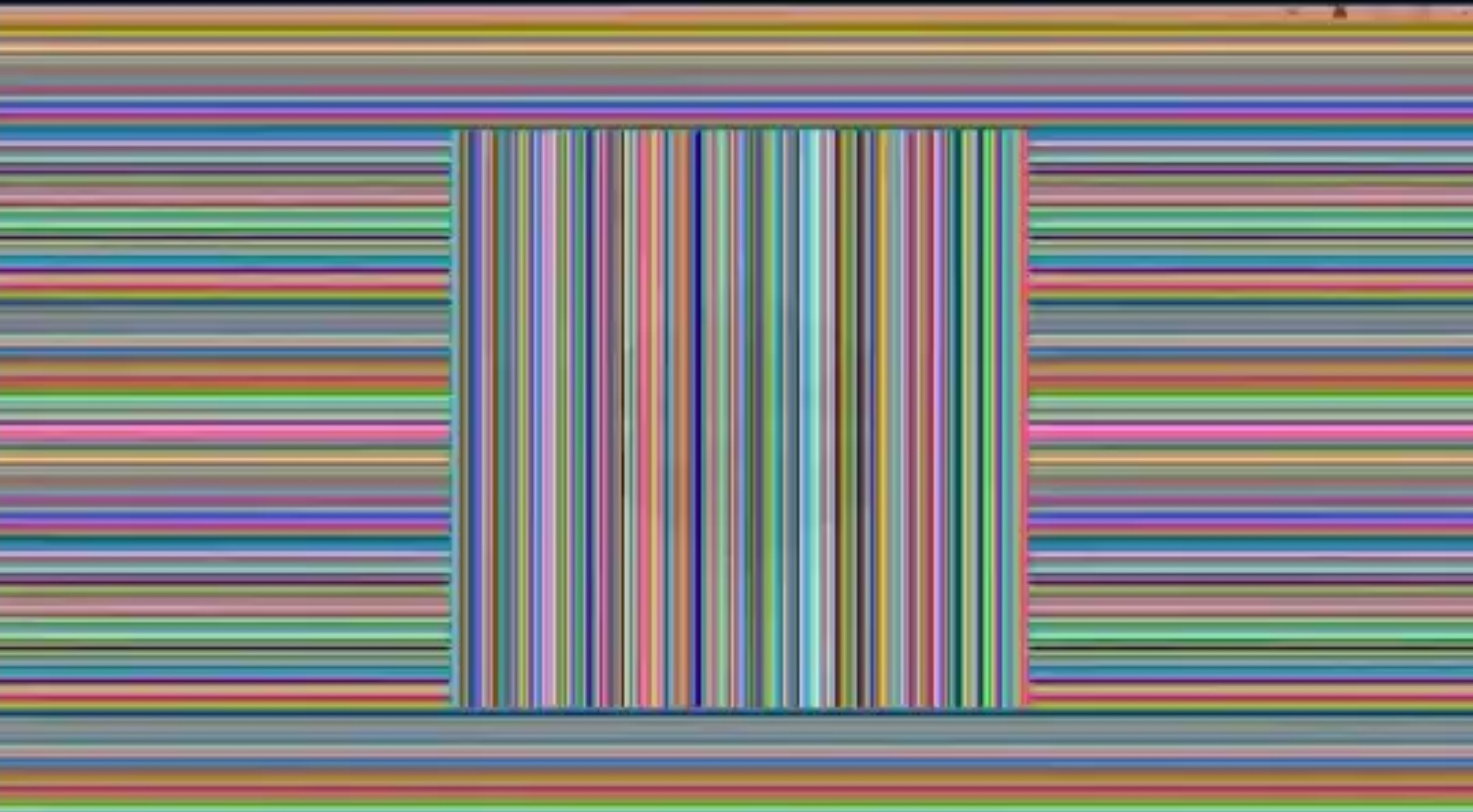
Crash HUANG XI HU XI (Dale Zhou + Hongxiang Zhou, USA)
I preferred the chanting mantras of the soundtrack early on to the bad noise track it later employed, which sort of speaks to the banality of the image. There is definitely no trance-like effect achieved in the random sampling of geometric patterns and figures that pop up through the brief seven minute runtime. In the catalog, Juan Manuel Dominguez writes that this film could be “an installation, a TikTok video, and it decides to be cinema.” If only it were that easy!
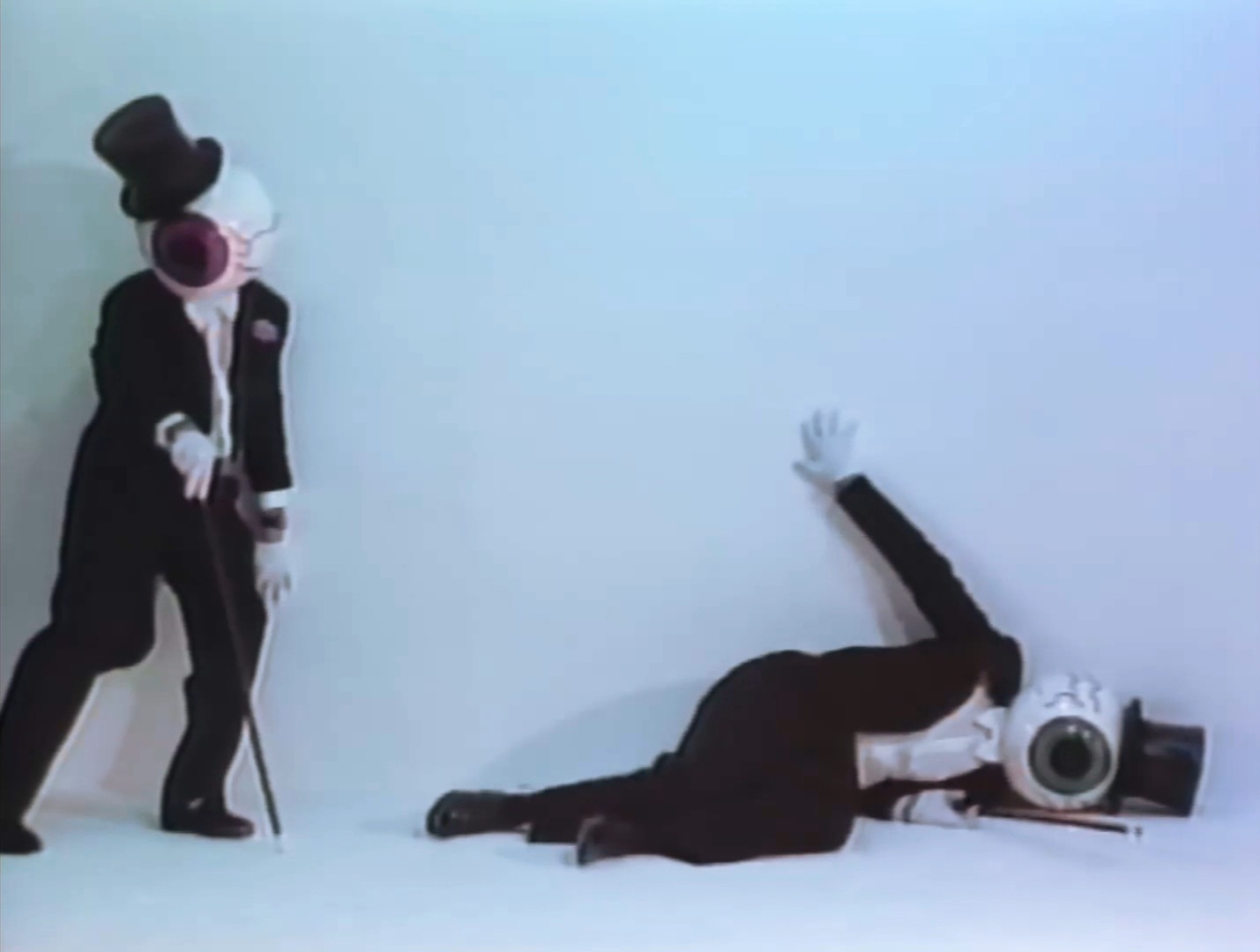
Barking in the Dark (Marie Losier, France)
Considering I have no real relationship to The Residents’ music, besides some vague awareness of their image/likeness, most of the information here and music was brand new to me. Losier’s loose approach is not particularly effective or engaging, but the sheer oddness of the music and the visual aesthetics of their work was intriguing enough.
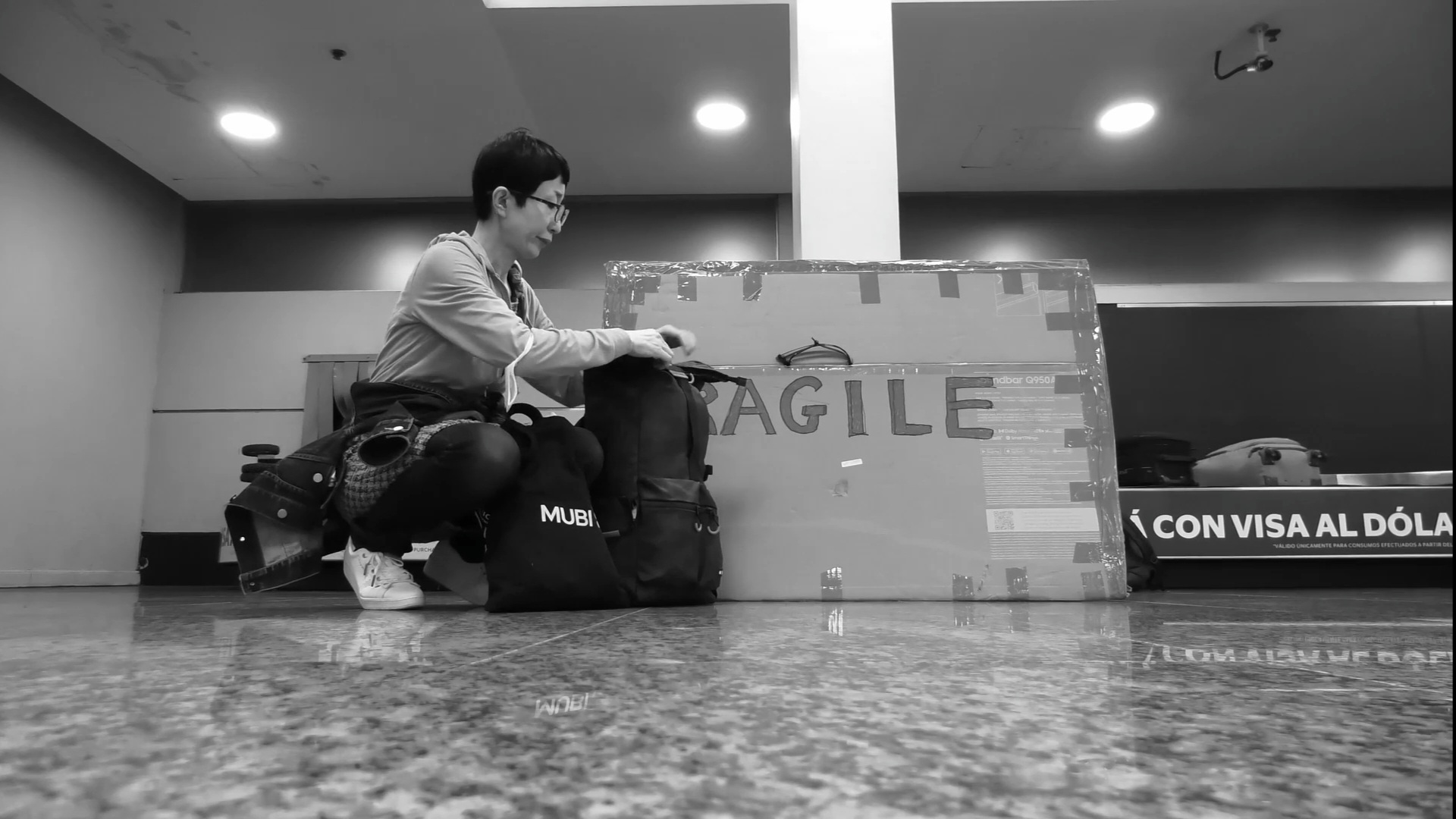
Wing Woman (Tokio Oohara, Gertjan Zuilhof)
In the catalog, the image for this film was a black & white drawing so I imagined this would be an animated film, but instead it is the rather prosaic portrait of a “woman” (this is apparently the 4th in a series of “woman” films by these directors that have played at previous editions) who takes a package up to a roof (going up several flights of stairs, each one rhythmically captured by the film) before donning wings and taking flight (maybe). The banality of some of the shots, the audio probably right from a shotgun mic (no editing, each cut a new sound) – it’s all honestly quite charming. Would be curious to see the previous iterations.

Maria Henriqueta esteve aqui / Maria Henriqueta Was Here (Nuno Pimentel, Portugal)
There’s a humorous thread in the messages between the consul and Maria Henriqueta, the owner of a hotel, as they arrange for the visit of the Emperor of Brazil and the aftermath of the visit, when she tries to get paid. But stylistically we are closer to the world of something like Akerman’s Hotel Monterey… but with less of an investment, less rigor. I was more interested in the running thread concerning the money and payment rather than the ghosts the film tries to conjure.

Insignificant Specks of Dust in a Tapestry of Stars (Killachy, United Kingdom)
An irritating found-footage experiment which features primarily footage from NASA launches and moon expeditions cut against footage of Africa. The assemblage is a mostly forgettable jumble of images, never registering their potential. And the soundscape is typical of these exercises (an afterthought).
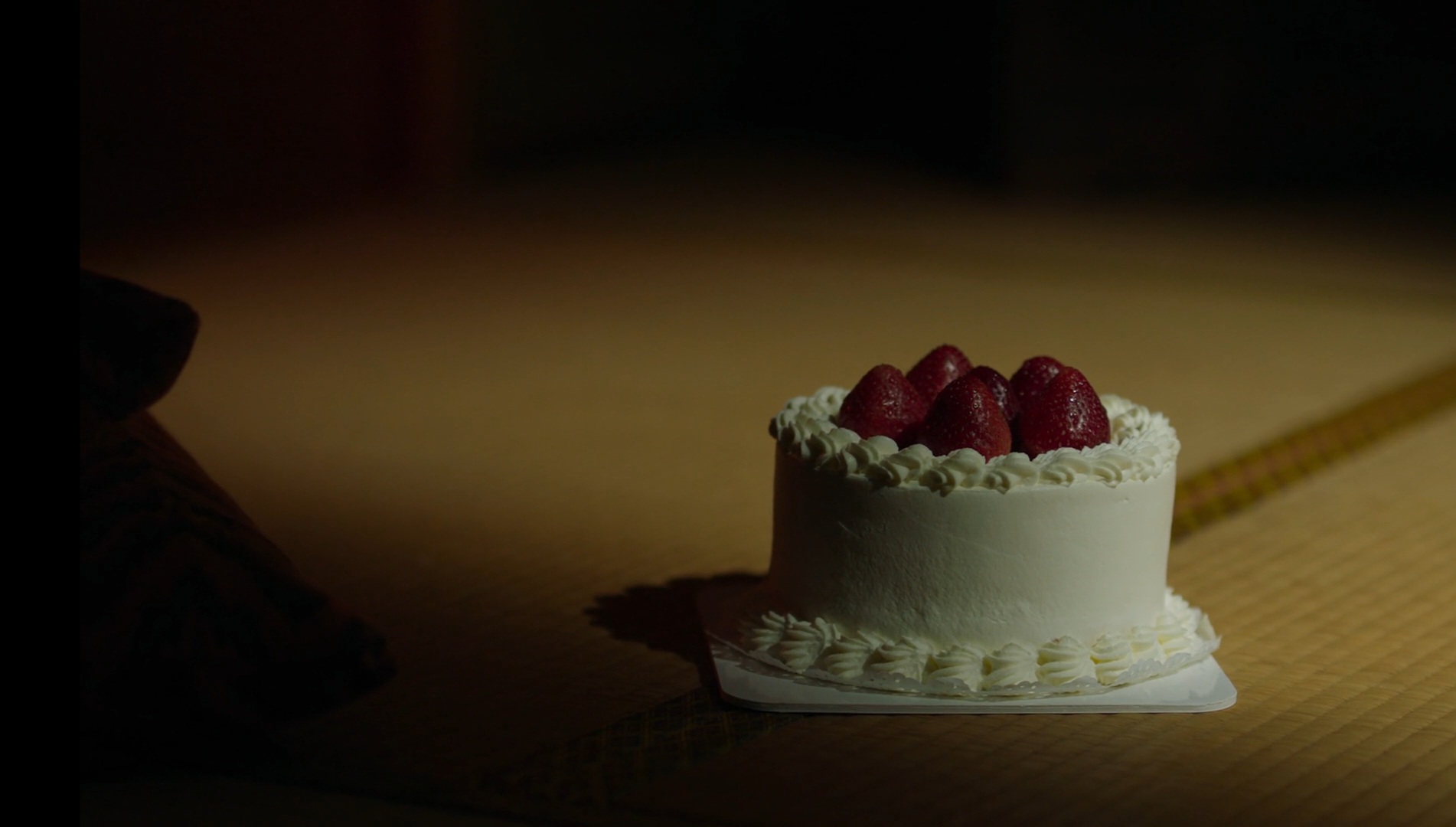
Strawberry Shortcake (Deborah Devyn Chuang, Taiwan)
The film climaxes, visually and emotionally, with the extended fetish sequence early on. Everything that surrounds it is material that supports it, or complicates it – but it’s just not as interesting. In this sequence there’s true mastery. I was immediately reminded of something close to Júlio Bressane in the moment where the foot enters the frame and squashes the shortcake. And from there we escalate into a forbidden game that we don’t understand the rules of. Regardless, every single image is charged with possibility and forbidden erotic abandon. When we switch to the video footage, I thought this would be a masterpiece. There’s just nowhere left to go after such a powerful start.
Or, to be clear, it’s not so much that there’s nowhere left to go, but rather that the rest is a remix of the a lot of the same psychosexual imagery. So there’s no development of the imagery or theme, but rather a restaging of the same dynamic. Chuang has a facility with shocking images, with arresting images, but the issue is that of narrative structure. I imagine that part of the impulse is for the viewer to feel uncomfortable and to lose their moorings in the world of the film, with each twist and shift of the film taking the them further down the rabbit hole… but there’s no interest in restraint or control. Regardless, I am curious about this filmmaker now, and this film alone redeemed this batch of films.

As mentioned earlier, BAFICI has three major competitions, as well as many different thematic sections and retrospectives. The thematic sections will be outlined below, but it’s worth nothing that the distinctions between them are fairly superficial and trivial (The Eastern Song Thrush could play comfortably in the Coming of Age or Comedies section, for example, but because it’s got some music stuff it will be added to the Music section). Perhaps it’s best to treat all these sections like a big buffet rather than a considered aesthetic proposal (which is presumably what’s happening in the competitions). Some films will appeal to those who are fans of documentaries about British rock music (there is a retrospective strand this year entirely dedicated to the genre with films dedicated to Oasis, Pulp, various Julien Temple films, etc.), a Jacques Rozier retrospective for the sickos (like me), a very incomplete retrospective of Antonin Peretjatko (5 shorts and only 2 features, plus a talk about film comedy, not even his last fiction feature, the vastly undervalued La Pièce rapportée). The point being that even just this piece’s focus on the shorts of the festival is but one way to make your way through the festival. It’s a bit of a crapshoot. Marcelo Alderete, a former programmer for Mar del Plata, in an interview once said regarding the programing of a film festival that it’s wrong to expect only masterpieces: “That’s impossible. What you show is like a state of the cinema in the world. This is what’s going on in the cinema in the world, which doesn’t mean that all these films are masterpieces. The true cinephile doesn’t want to watch masterpieces all the time. They just want to watch films. If they are good, well, so much the better.” Well, he is correct that these films are not masterpieces, but one of the problems for me is that they don’t do enough to tell us about the state of the cinema world, but rather what was available from Argentine cinema in time for the festival and vaguely fit the thematic blocks (out of the 54 or so shorts outside of the competitions, only 17 were not from Argentina). Let’s say for now, I just want to watch films. If they are good, well, so much the better.
Baficito

Wolfie (Philippe Kastner, Czech Republic)
Very cute short where an artist’s drawings come to life, but the wolf drawing’s imperfection causes a lot of issues for the artist. The ‘wolfie’ is a very cute creation, but the story’s development stagnates in the second half in a way that feels like a missed opportunity.

Writing Home (Eva Matejovičová, Czech Republic)
Short about a bark beetle who is separated from their family due to a forest fire and must find a way to get back to them. The fire scene in particular is well done. The scenes in the classroom as the beetle learns to write are nice as well. If nothing else, the issue is that there’s a lack of invention in the animation – it’s a bit basic even if at points it does strive for a certain expressiveness.
Arts & Crafts
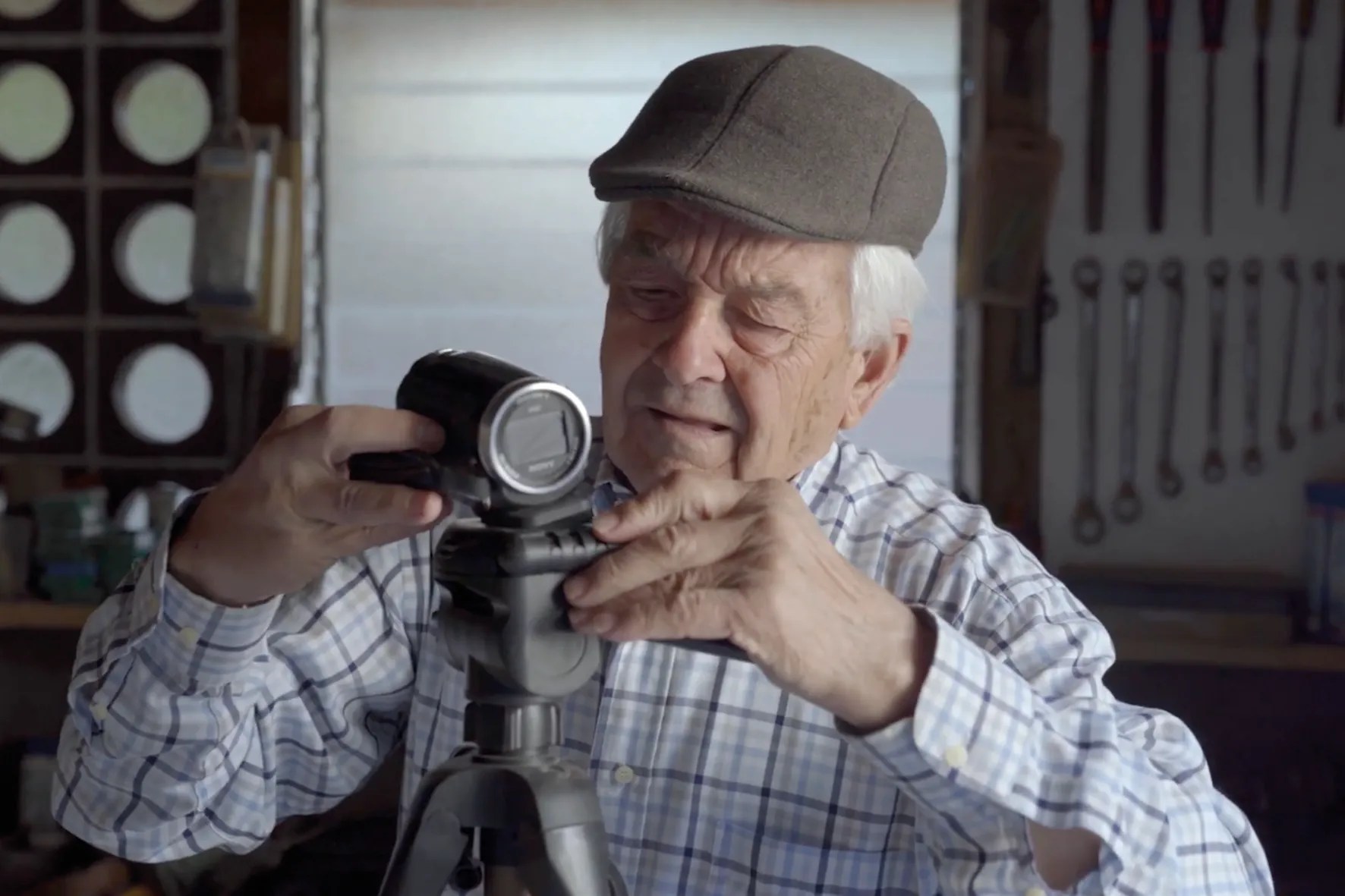
El Quixot d’Allela / The Quixote’s Constructions (Matthias Müller Klug, Carlos de Elía, Imanol Landa Pérez)
A very patient film about labor – the film’s ethos is to observe the work of its protagonist, see its progress, document it. The catalog calls the film “noble,” and I suppose that’s right, though I would’ve hoped for a more inventive gestures rather than just a straight document. Maybe I just wanted Erice’s The Quince Tree Sun…
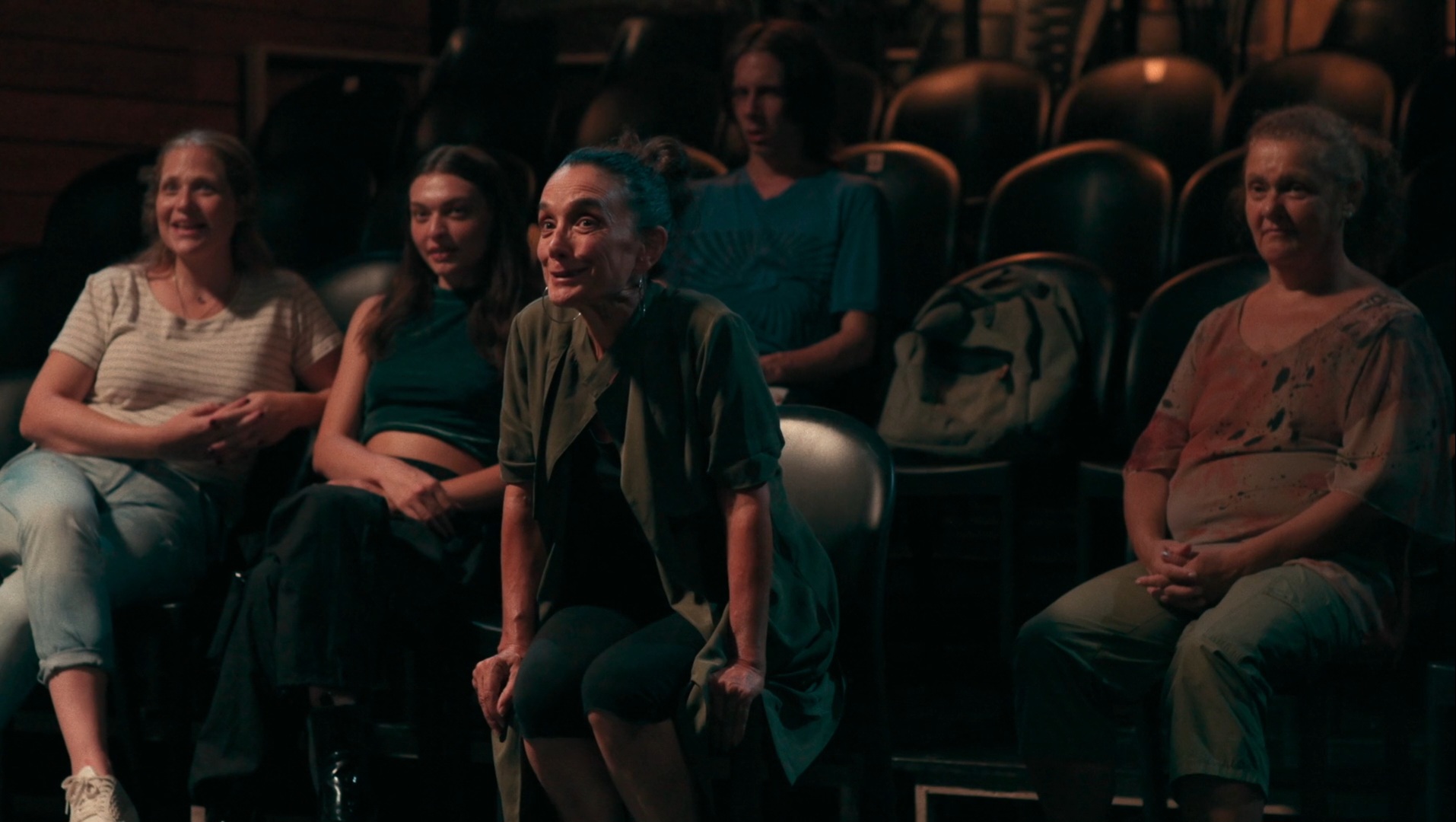
Escena final / Final Scene (Diego Kompel, Argentina)
It begins rather like the scene from The Office where Michael joins an improv group and hijacks all the scenes by pulling out a gun, which gives the film a nervous, awkward energy. But comedy is not really on the table. Instead it makes way to the perfunctory energy of the awkward loner that will make everyone act out his family tragedy script. The film doesn’t really know how to integrate this character in a way that’s satisfactory because the performance and the conception belong to the realm of cliche.
Cinema on Cinema

The Heart Elsewhere (Laura Tuillier, France)
Probably more meaningful if you have a relationship to Chantal Akerman’s collaborations with Stanilas Merhar (La Captive and Almayer’s Folly), but still worthwhile as a document of the daily life of an actor, at the time of a deep sadness. The director, Laura Tuillier, an interesting film critic, enters the frame to look at the photos and videos on Merhar’s phone (very funny footage of Akerman dancing the night away at a party on the set of Almayer’s Folly), shares insights that she’s garnered being an assistant to Philippe Garrel, but more than anything, simply accompanies this actor and documents him fairly. There’s a curiosity behind her gaze that makes the experience of being in the room with them moving.
Comedies
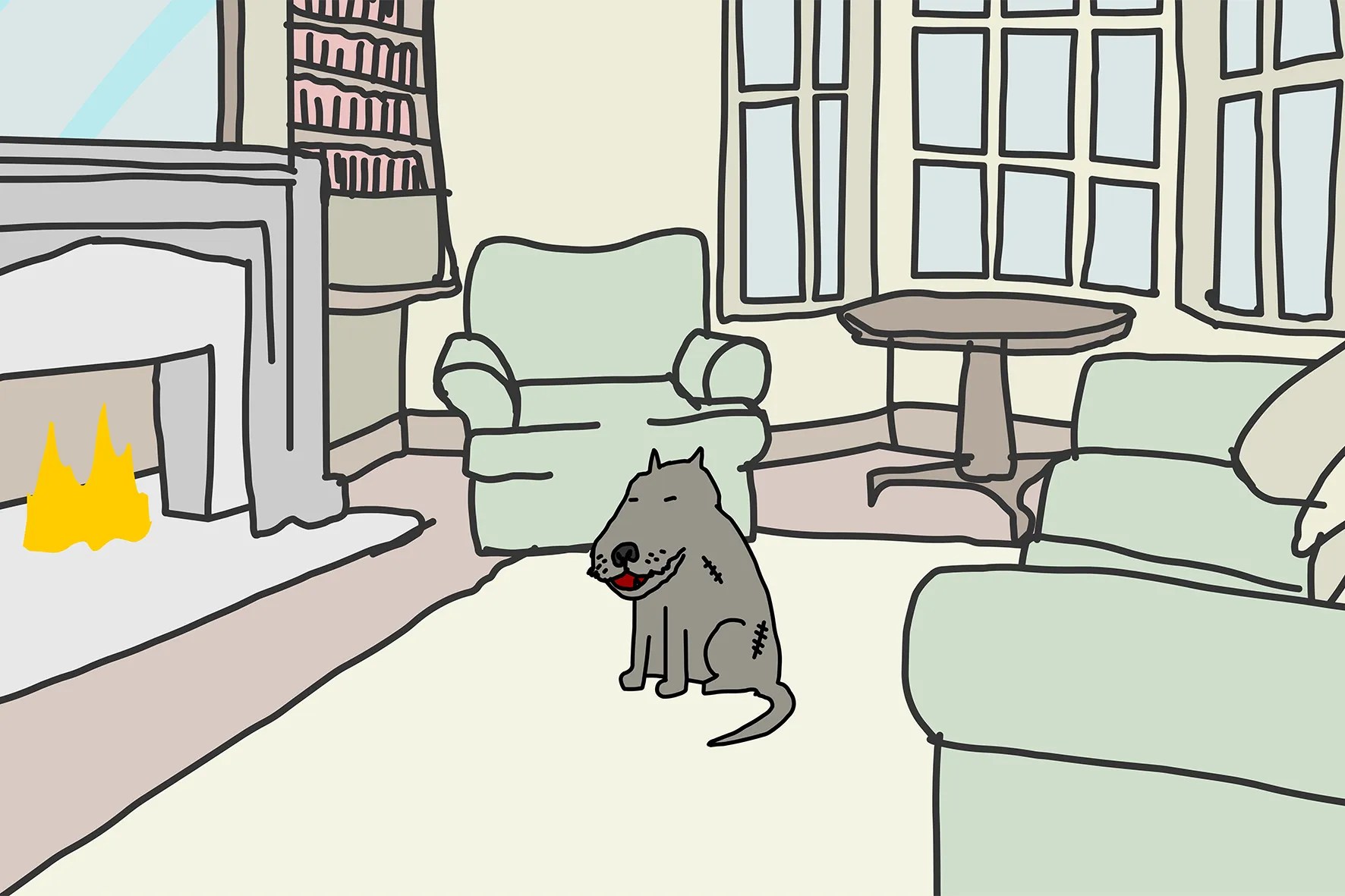
Actualidad internactional / International Actuality (Ayar Blasco, Argentina)
I’m not a fan of the animation style, but I can appreciate the absolute rapid-blast of absurdity that’s going on here (four brief vignettes put together) that go from jokes about Mark Walhberg, cars being everywhere, the government ruining everything, and the insane inflation. It’s rough, it’s caustic, but it moves fast, never stopping to linger over a joke or an absurd image. I can live with that.

Electroimán / Electromagnet (Francisco Cadierno, Argentina)
What is it about the modern world which causes a breakdown of communication? Or, rather, is the breakdown of communication a symptom of our modern world? The ideas behind this short are funny, but I found there to be a lack of elegance in the staging that stopped it from working as well as it could’ve. If the framing had just been a bit more exact, or the camera more graceful, or this or that… Regardless, the world of the apartment building and its struggles is well thought out and amusing.

En la cama / In Bed (Pablo Noriega, Argentina)
A couple in bed, an incessant logorrhea powered by a certain mania, and the difficulties of the couple. The setup is very simple and what carries it through is the verbal sparring of the actors, rather than a formal idea. In this sense, it’s not too different than a one-act play. If the world of cinema is invoked a bit it is in the desire to make sense of these two bodies together in the frame. My own desire would be for a work that is more mysterious rather than one that’s always explaining itself (or characters that do so).

Parque Automotor / Motor Pool (Diego Cendra Woodman, Spain/Argentina/Peru)
Very confounding piece, which is downright aggressive in the way that it evades explanations or speeches or anything that might pin it down. The world is a series of exchanges (of money, services, time) which lead to small pains to our character and body (back injuries, car crashes, misprints on boxes and boxes of books). The film begins with a series of shots of cars in traffic and by film’s end we understand that each one could potentially crash into this film and careen it elsewhere (the fantasy sequence is earned in part because it casts into doubt all the things we’ve seen). To sum up, very weird.

Quota (Studio Job, Joris & Marieke, Netherlands)
Very one-note, but it’s a mostly funny note. I would be remiss if I didn’t point out that the individual responsibility of people for their emissions pales, of course, to the collective responsibility of corporations and major industries. Perhaps the short would be improved if it were CEO’s heads exploding…
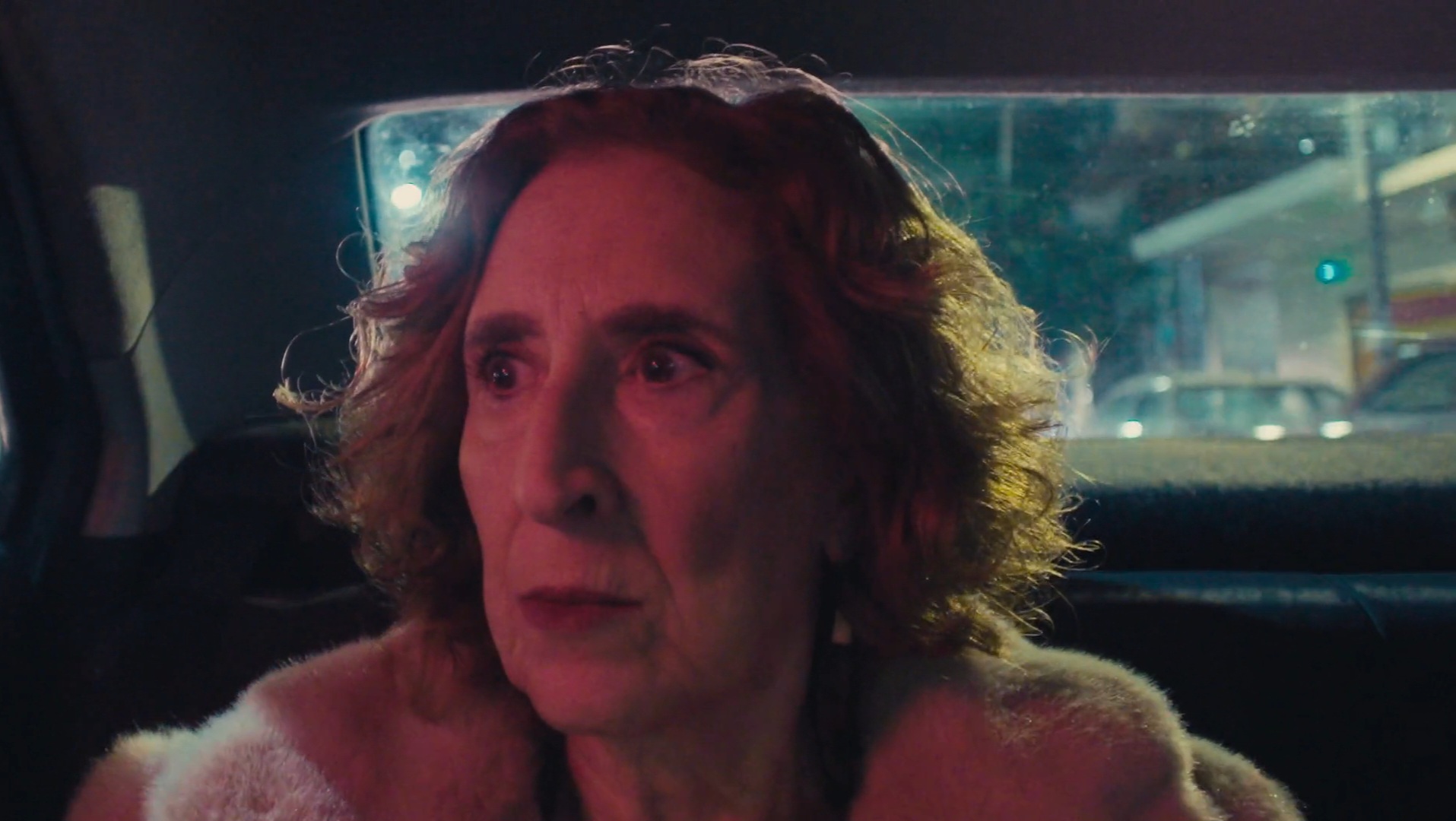
Señora bien / Fine Lady (José María Carrizo, Argentina)
The overwhelming sound design at the film’s beginning lets us know the cartoon universe we’re in. The dialogue, the reactions, the world – everything is a bit heightened. In theory the centerpiece is the conversation between the older ladies and the discussion around the young people and their taboo behavior (open relationships, selling erotic content online), but it’s edited within an inch of its life, each cut arriving in a hurry, leaving no room for even a single group shot. It’s understood that we’re inside the nervous consciousness of the main character and the secrets she carries, but it’s still not particularly enjoyable. And for what? For a punchline we can already see coming, religious attitudes against what happens in the bedroom… It’s not particularly novel.
Families
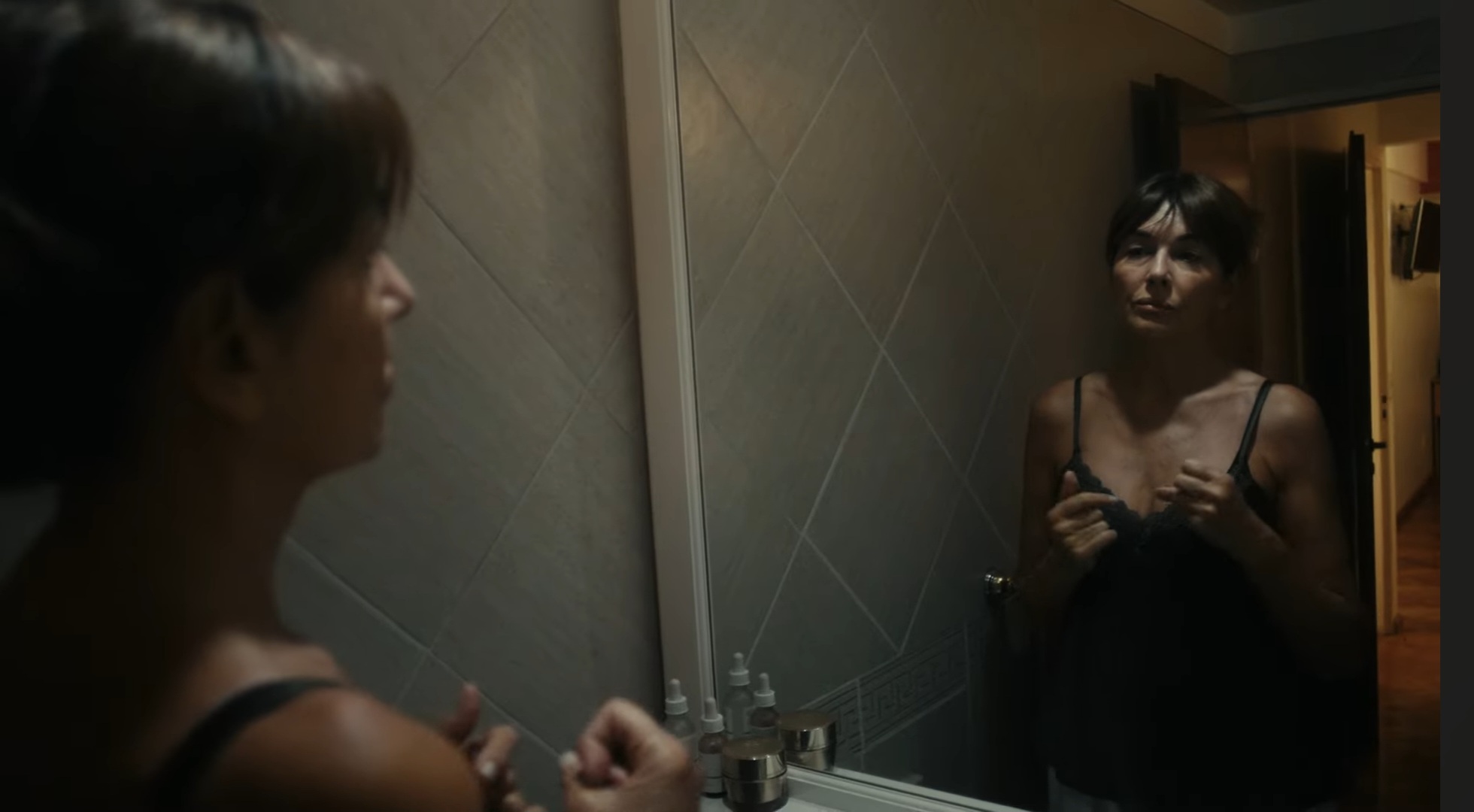
Gloria (Santi Castelo, Argentina)
The battles between mother and son, their arguments, make up the majority of the film, which gives it a certain spikiness (the mother is really quick to take issue with anything the son does or doesn’t do). But ultimately this dynamic is a little reiterative and by the time that the performance aspect is properly introduced it feels like an afterthought.
Una carta para mí / A Letter for Me (Lara Dubcovsky, Argentina)
Please! It’s time for a moratorium on films about filmmakers digging through their family archives! When the filmmaker discovers that there’s box of 8mm reels of her grandfather, we hear on the soundtrack, “I immediately had them digitized.” The filmmaker begins the film with the idea that they want to find out more about their grandfather, as he died before she was born (which is an understandable emotion). But these type of gestures always strike me as a little vampiric. The private desires and histories of normal individuals become content for aspiring filmmakers. It’s one thing if you’re Chantal Akerman and you radically aestheticize this proposition in a film like News from Home, but here the images and the thought behind it seem simply opportunistic. The filmmaker’s grandfather pushing his granddaughter to be an artist with all his might from beyond the grave. It left a bad taste in my mouth.
Coming of Age

Bondi Boy (Rhavin Banda, Australia)
Very harsh in its depiction of male adolescence. The boy of Indian background at its center, in his quest for assimilation into the affluent white environment around him, systematically tries to extinguish that which is Indian or foreign around him (lashing out at his mother for always cooking Indian food, abandoning his one Asian friend). There’s something a bit over the top but also recognizable in his actions (like in the idea that the one famous person Indian guy he googles, Aziz Ansari, also has a thing for white girls). The film’s final scene is maybe the bluntest image I’ve seen regarding this sort of internal struggle of assimilation (are you going to crank it to the white girl, or the foreign girl?).
Crème à glace / Out for Ice Cream (Rachel Samson, Canada)
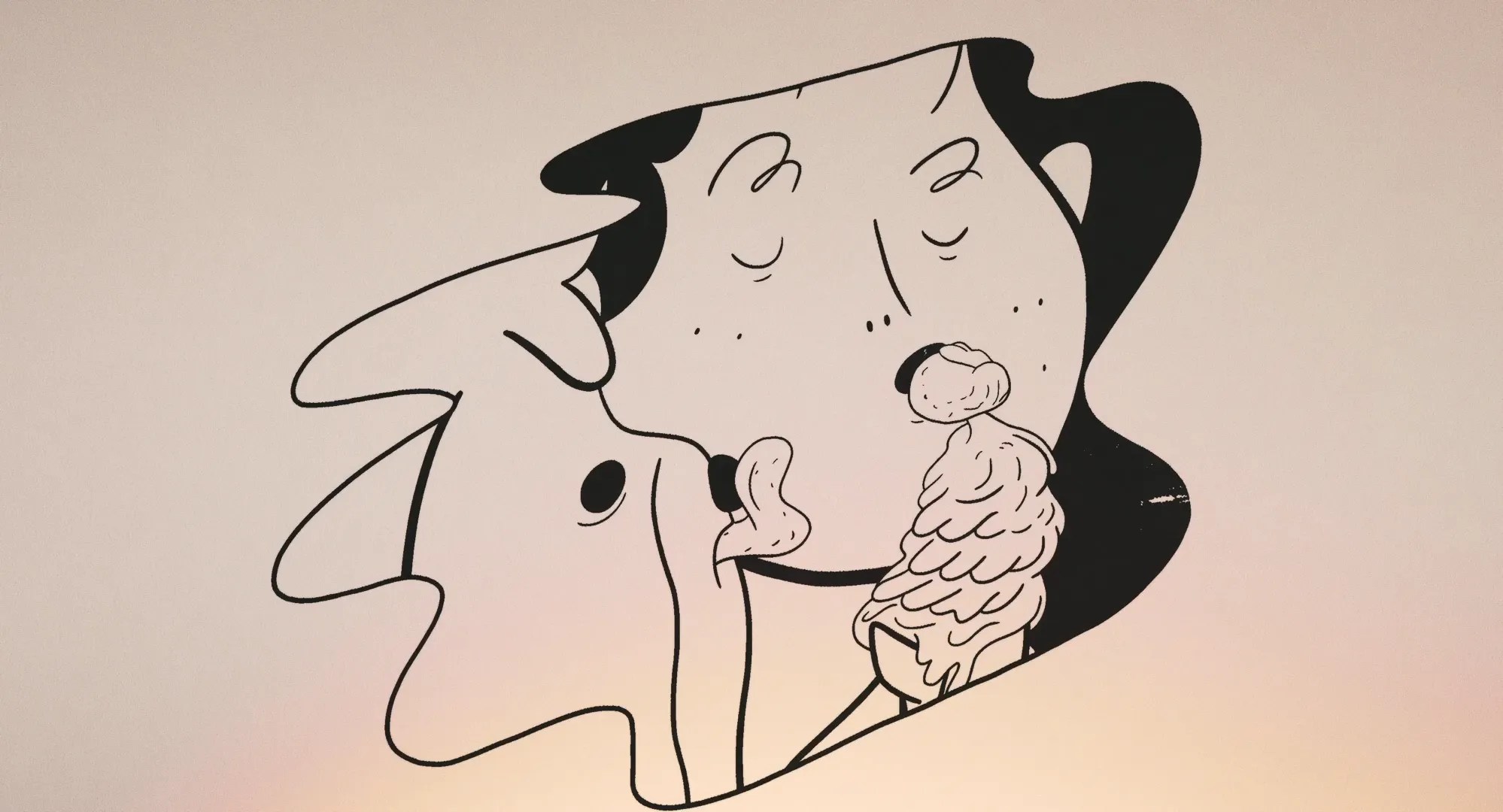
I like the animation style, but I was more invested in the particulars of the friendship at the film’s center, threatened by the diverging personalities and attitudes of two best friends as they approach high school. When the film focuses on that thread it’s quite good, but there’s also this whole other focus on the world around them as everyone gets ice cream, becoming quite chaotic and distracting from the main emotional thread.
Horizontal (Alex Reynolds, Spain)
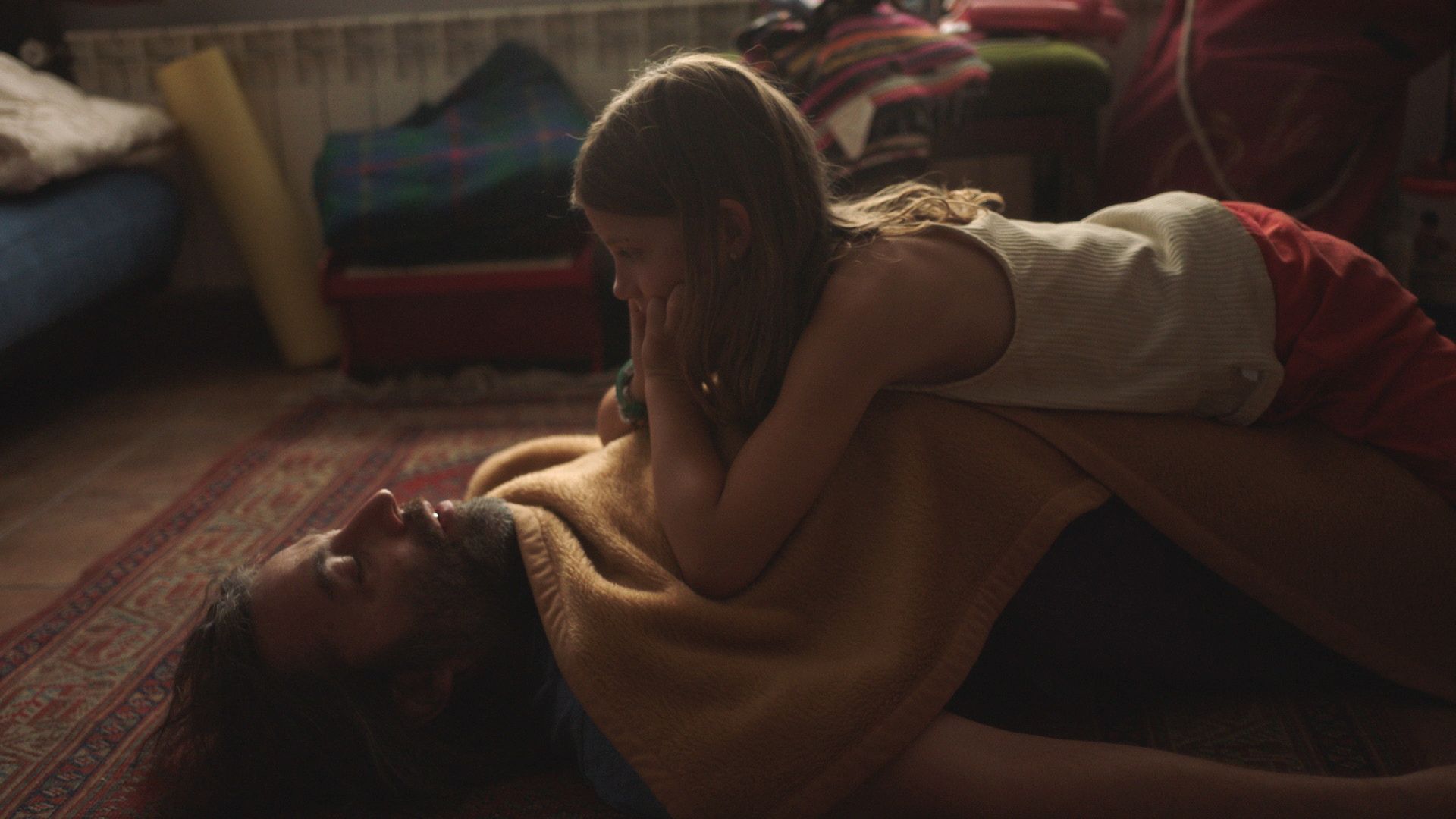
As I mentioned earlier (so long ago), originally my list of shorts included 94 films. However, before the film’s premiere, Spanish filmmaker Alex Reynolds withdrew her short, Horizontal, from the lineup. In an Instagram post, she explicitly mentions the Israeli films across many sections, and also the inclusion of the documentary 7.10 sur rojo, and accuses the festival of “providing no context at a historic moment of extreme humanitarian and moral urgency.”
In the film’s trailer posted to Facebook on October 7th, 2024 there is a title card which states “on October 7th 2023, Hamas terrorists invaded Israel. They committed murder, torture and mutilation. They raped, beheaded and burned and kidnapped people. They showed no mercy to babies, children, women or the elderly. Nor foreigners or other Arabs. They filmed themselves and smiled, killing in cold blood. They walked around with the bodies of their victims as trophies.” Reynolds states that she finds it “impossible to participate in a festival that whitewashes the state of Israel through its programming while excluding Palestinian voices.”
I’m in agreement with Reynolds on this point. That documentary was included in a section called Politics but it would be impossible for me to really discuss the festival’s politics from a distance. But we can then talk about the suspicious silence of BAFICI on this matter. From my little knowledge, Argentina also seems to suffer from some of the same psychosis as the United States and Germany regarding their loyalty to Israel and including a documentary like this in their lineup and never speaking about it seems like an admittance to the primary motivation behind its inclusion (and why is it only playing once when all the other films in the Politics section all get 3 showings? A little strange for a world premiere…). Reading an interview with the director, Uriel Sokolowicz, he mentions that that among the objectives of the film was to make known “certain aspects of the context” and to “address the accusations made about Israel and its actions in Gaza, of apartheid, genocide and colonizing people. We provide a context that is not usually present in the speeches, headlines and developments of this war that broke out on October 7.” Of course, thinking that this whole thing stems back to just that date is part of the issue. Anyway, to bring this closer to home, I remember in 2019 the Dallas International Film Festival selected a documentary called The Pursuit which followed economist Arthur Brooks as he went around the world looking for examples to bolster the case for free-market capitalism (and explicitly against socialism). This was one of the things that led me to being very suspicious of the festival on the whole – what led to this being programmed? What sort of questions are being asked behind closed doors? And if you’re looking for a debate or a discussion, what kind are you looking for? This is the type of situation that casts a pall over the whole selection and the programming team. Which is a shame because the experience of watching these shorts has been quite intriguing, and it still remains a small wish to one day go visit Buenos Aires and attend its festival, among many other reasons.
Hopefully I’ll get to see the Alex Reynolds film one day…
The Last Living Boy in Buenos Aires (Laszlo Rapaport, Argentina)
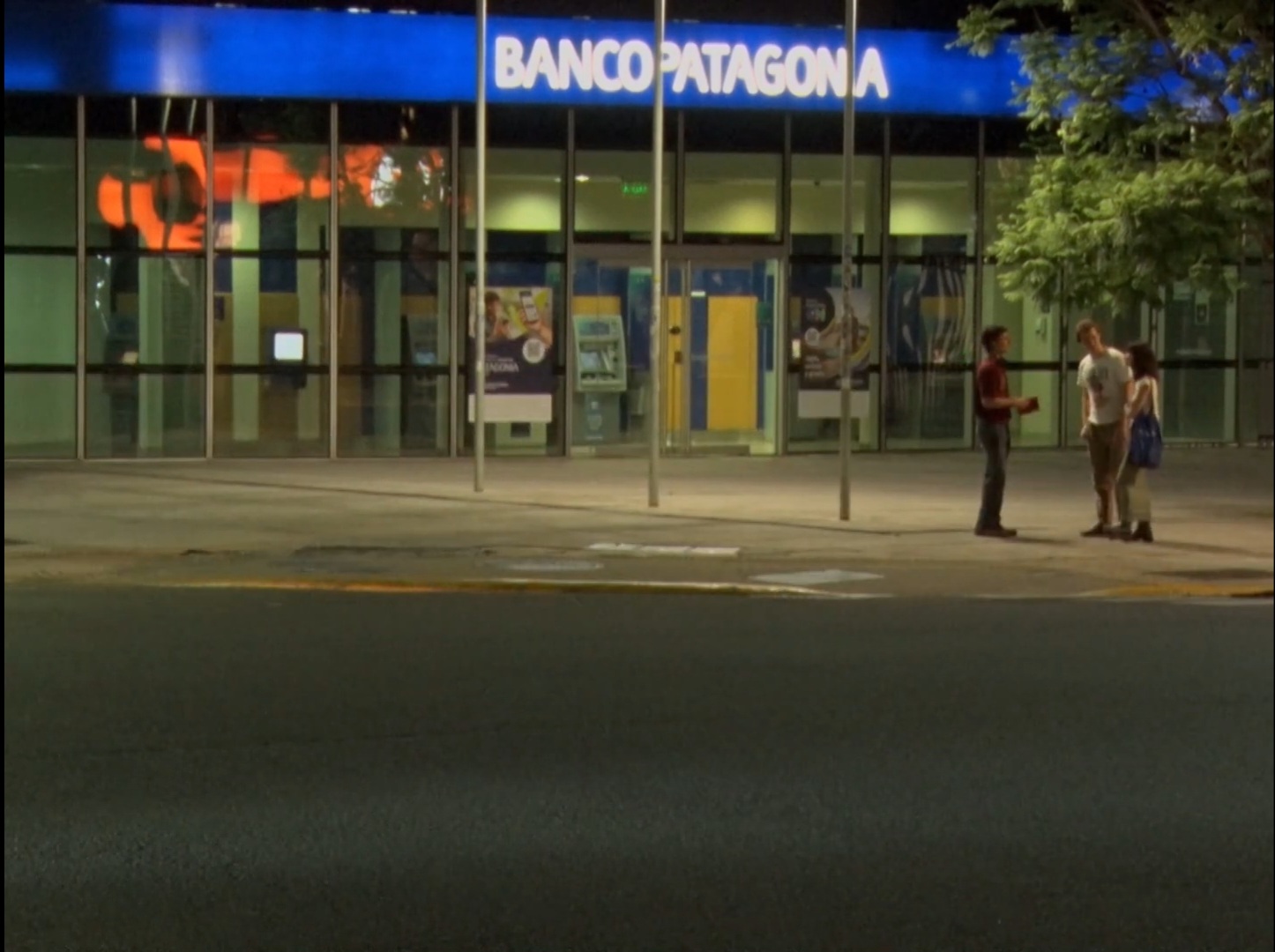
It feels like a rite of passage for young FUC graduates to make a film about Buenos Aires, the romantic allure of the city (especially at night), the streets, the ambiance, the romantic entanglements of young people… This particular film is downright fetishistic in its extreme commitment to documenting the city at night. The actors are set loose on real streets, caught in shots across intersections, while cars pass by, rehashing arguments over and over again regarding a possibly mystical moment that one of them shared with a girl on a bus. Speaking of buses, there’s also a maniacal commitment to speaking about the bus routes in Buenos Aires and the etiquette surrounding them – What you do inside of a bus? Are you reading? Is it pretentious to be seen writing on a bus? Can you approach someone or not? This is all very circular and elongated, a tad too in love with itself, but sort of charming as a product of an ambitious student (and I mean that as a compliment). I’m curious for what is next for this filmmaker, at the very least.
Places

Cacería en Buenos Aires / Hunt in Buenos Aires (Delfina Plácido, Argentina)
This is a sort of mini city symphony made up of an assortment of shots of Buenos Aires city life. There’s a character introduced later on that adds a separate dimension, but for me actively detracts from the conception of the film (there must be a human reaction to everything we’re depicting!).

Charcas 2837, inventario de Eurindia / Charcas 2837, Inventory of Eurindia (Nicolás Suárez, Ignacio Ragone, Argentina)
How to make make a film on an institution? With humor, of course. The film is an assignment – make a film on the strange house/museum of the figure Ricardo Rojas, a public intellectual who lived in the early 20th century (presumably for the 100th anniversary of the book Eurindia that he published). But it is humorous, skeptical, more than a little silly. It is structured as an inventory of a few items in the museum’s archive and from there it departs into various corners regarding the history of Rojas, his intellectual contributions, etc. By far the best part of the film is the extended cameo by Gabriel Chwojnik, composer extraordinaire for El Pampero, who is tasked to compose a song to back up a poem that Rojas wrote. The very first words out of his mouth back up his portrait from Alejo Moguilliansky’s Por el dinero – “Do you have any cash?” – and sum up the attitude behind the film.

Granito negro absoluto / Absolute Black Granite (Iván Preuss, Antonia Erramouspe, Argentina)
The film’s visual and narrative strategies are not particularly appealing – a visual/aural cacophony of shots and voiceover, invoking but never fully showing the life of the previous owners of a home as it is being shown by a realtor. There’s a lack of clarity in the language that lessens the film’s impact.
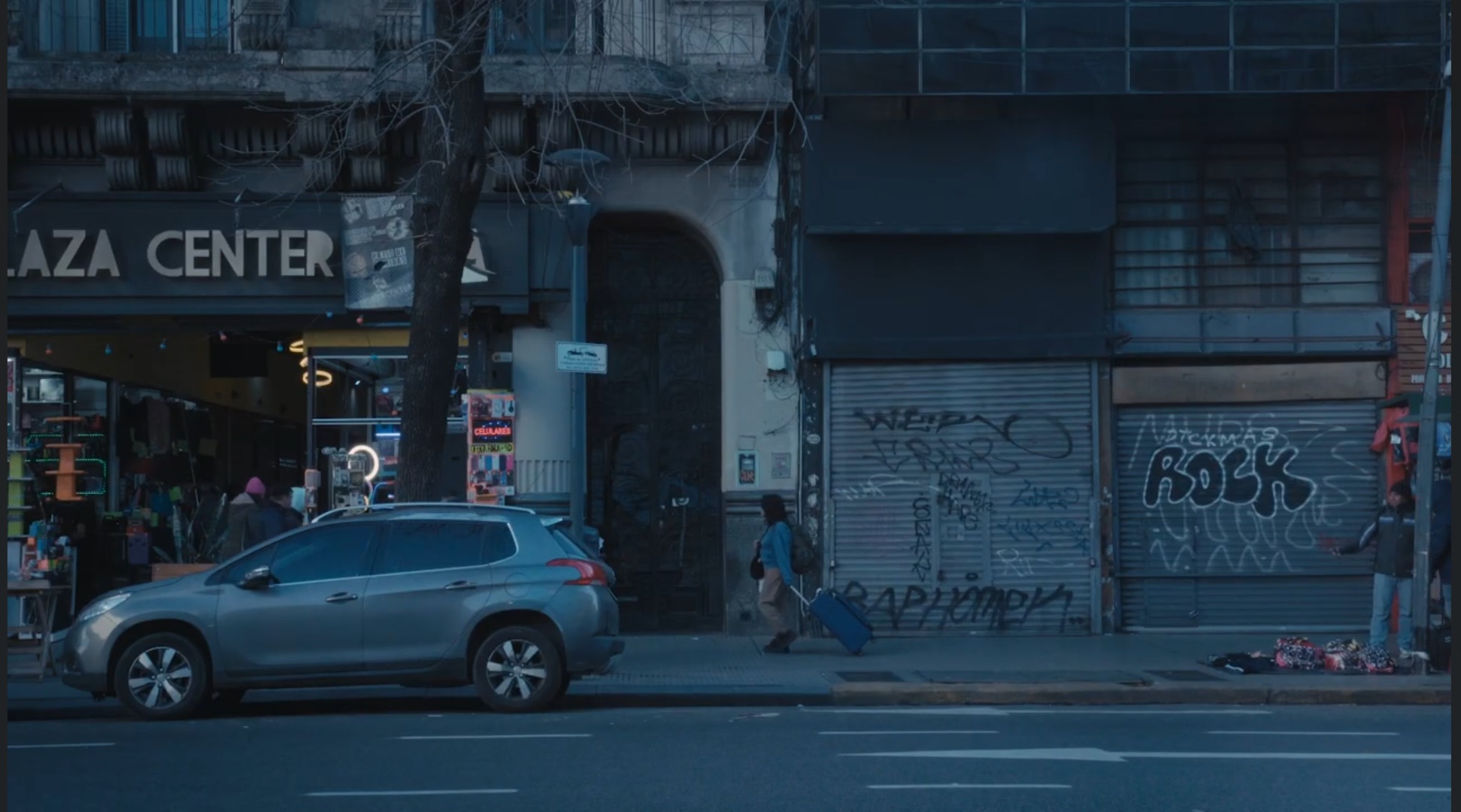
Pacífico (Yuli Ter + Juana González Posse, Argentina)
Small atmospheric sketch of a young woman, played by one of the directors, Yuli Ter, as she arrives at a new apartment (and what seems like the big city for the first time). This feels like the beginning of a larger story, but it seems content to simply evoke the small discomfort and melancholy associated with a new space, the upheaval of a young person’s life as it launches itself into a new stage. I wonder if it’s enough to be this. Not that there isn’t ambition associated with accurately capturing this experience, but rather that it won’t push it forward to a new terrain, to discover an emotion different from the one that was already on the mood board.
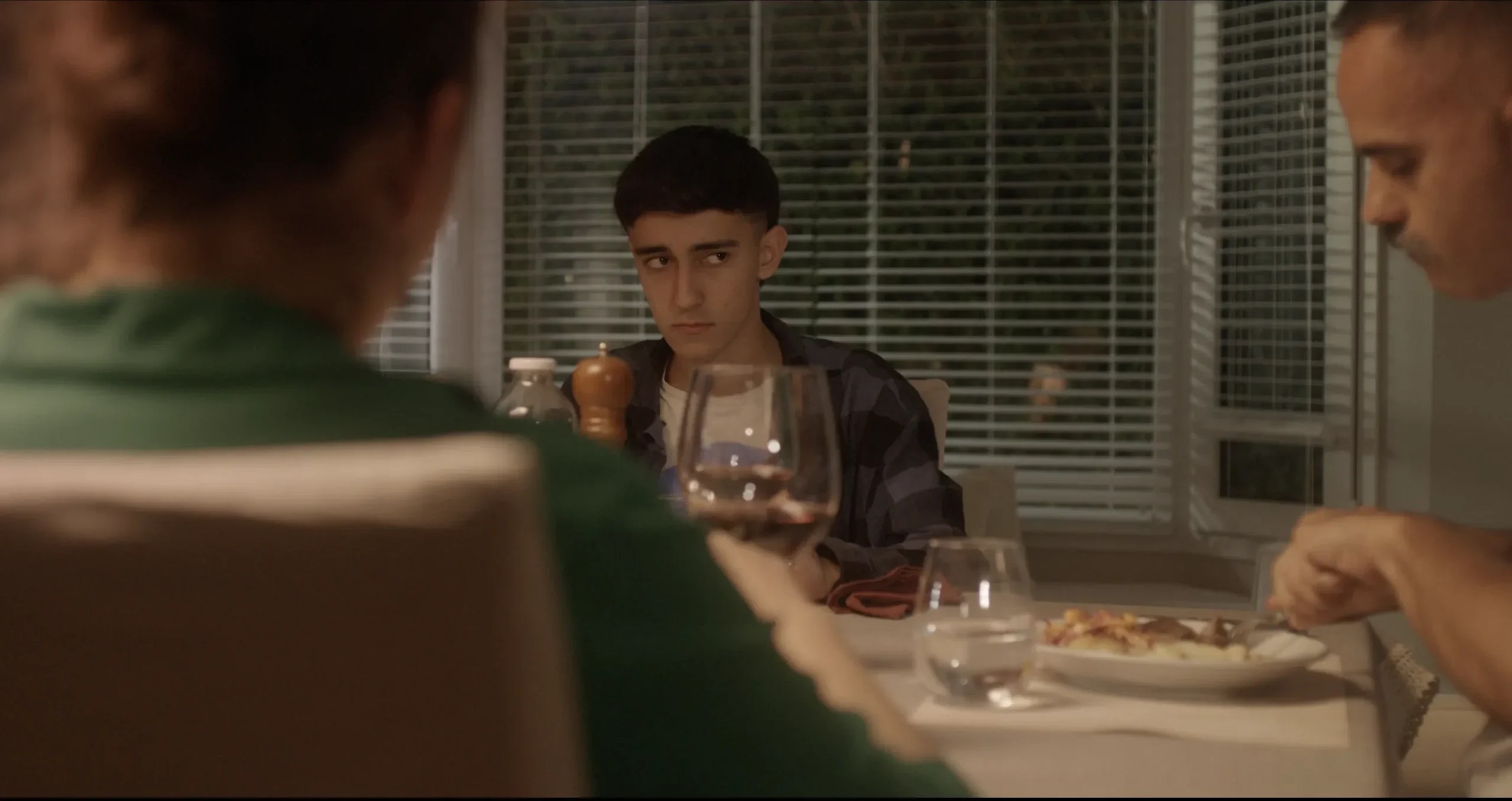
Puertas adentro / Behind Closed Doors (Bautista Russo, Argentina)
The gated community as source of violence, hidden, unexpected, closer than we might expect. I don’t know if the surveillance shot aesthetic that it adopts at points really works as it becomes an oppressive tool, inescapable, for the viewer and the character (at one point the character looks back at the camera, as if suspicious he’s being watched). But the atmosphere is palpable, the whole thing is accomplished.
This word, “accomplished,” is a little ambiguous, however. I am giving marks to the filmmaker for achieving his desired effects, yes, but not going beyond that. Because to be accomplished means basically to fulfill your aesthetic plan, which in this film is achieved through the steely nature of the camera’s gaze, as part of a series of compositions and setups that reinforce the distance from events and from the characters. It is a filmmaker’s tight grip on the material asserting itself. And frankly I am closer to those filmmakers who loosen their grip a little more, who seem open to the world in front of them. It’s an interesting dilemma – after all, how are you going to assert your competence, your facility with the language of cinema, as a young filmmaker, without this tight grip? Choosing that other path, the world of romance and desire, could be disastrous after all…
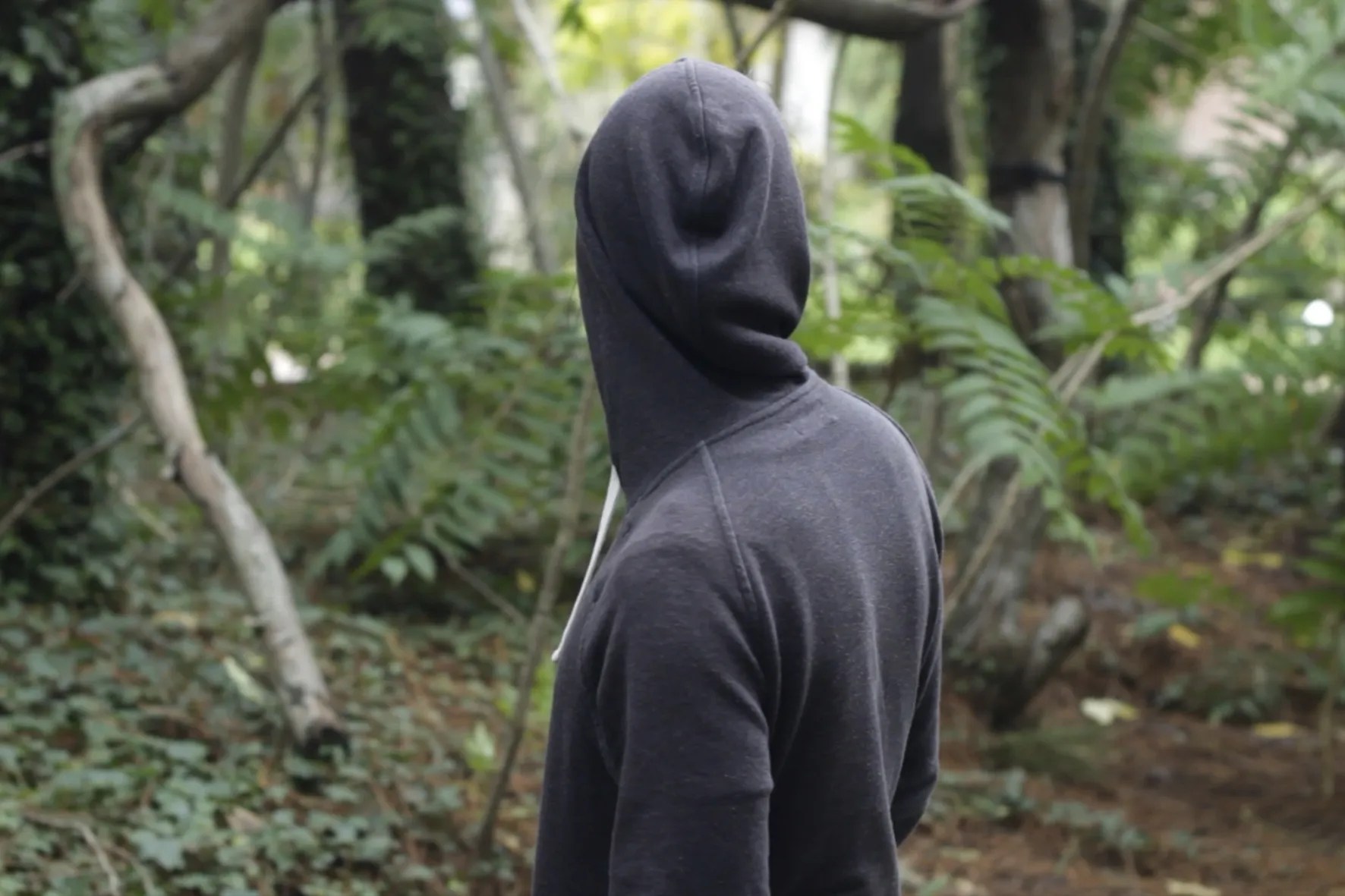
Una casa en la costa / A House on the Coast (Juan Linch, Argentina)
Notable for its maniacal focus on how much cooking the four guys do while they’re staying at this secluded house. There’s one funny bit about one of them ordering pizzas and empanadas and really drilling down on the specifics of the order. The film is at its best with this type of absurdity – a shot of the pizza, shot of the grill, shot of some vegetables, all absurdly fast, barely registering. The film’s agenda is very destabilizing, shot on a rough handheld, cut with a sense of propulsion that does not quite seem to fit… The film’s final movement toward intrigue and mystery makes sense in retrospect but is unfulfilling.
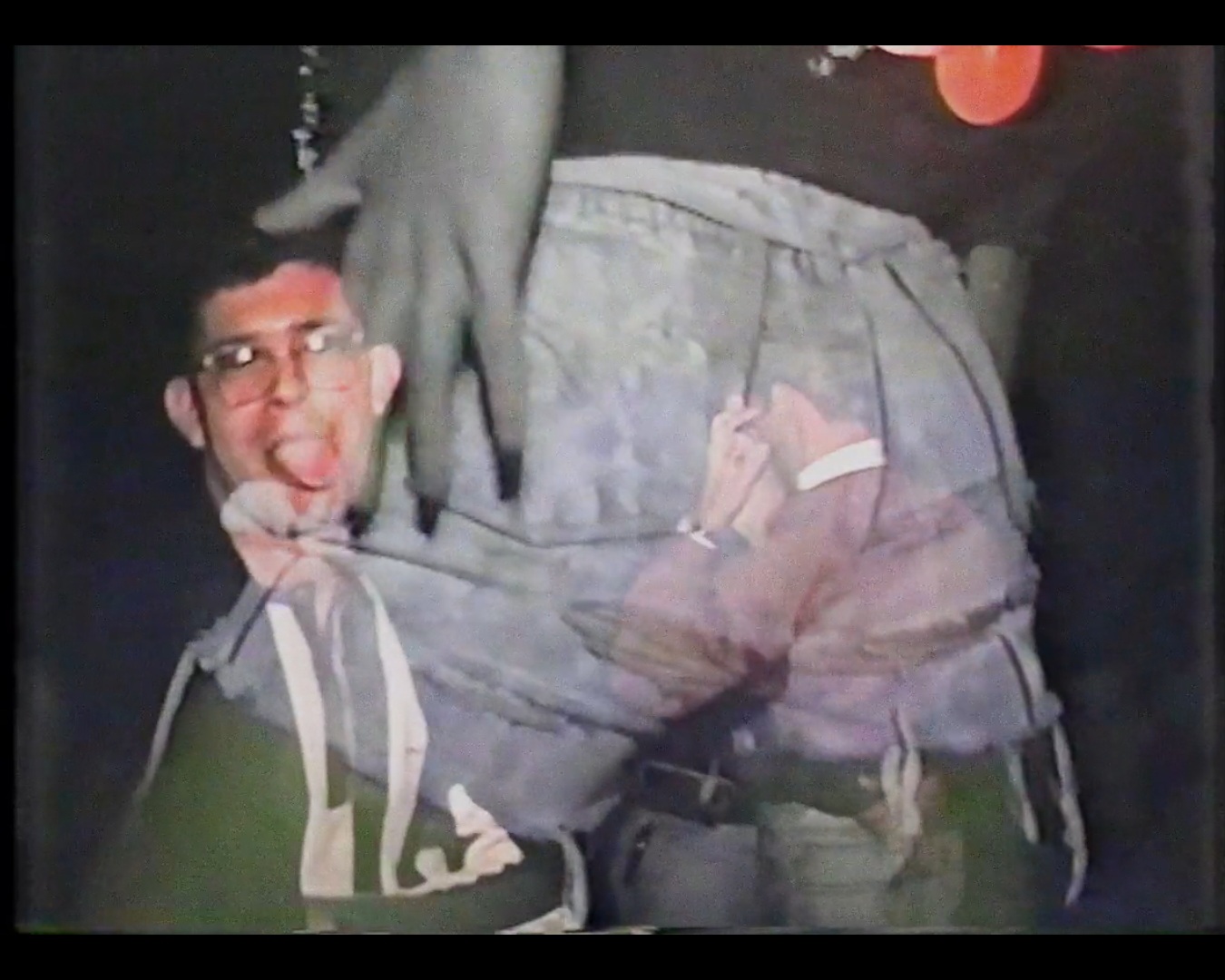
Vollúpya (Éri Sarmet + Jocimar Dias Jr., Brazil)
I find it very amusing that this short film builds a somewhat elaborate science fiction scenario as a framing device in order to highlight the archival footage that makes up the majority of its running time. In essence, the film looks back at the titular queer nightclub, a safe space where absolutely everyone is having a blast. I admit that I hold a somewhat conservative position toward archival footage so this was never going to be a favorite (am I too attached to antiquated ideas of direction?), but there’s just something quite moving about all these images of queer desire and expression, running free.
Music

El Zorzal del Oriente / The Eastern Song Thrush (Mateo Martinsen Hansen)
Part of the issue with the sections in a festival is that ultimately programmers will actively look for films to fill those slots rather than to see what comes in organically and build out sections from there. This film, a quasi-comedy about a young man of Chinese descent who wins a singing contest by covering old tango standards has a few obvious issues in the editing and staging, there are a few hiccups in the dialogue sequences, or in the shots where a single action is isolated. But the idea behind it is an intriguing one, and in a festival with somewhat interchangeable leads across the Argentine shorts, it was refreshing to see a character like this. And it fits nicely in our music block…
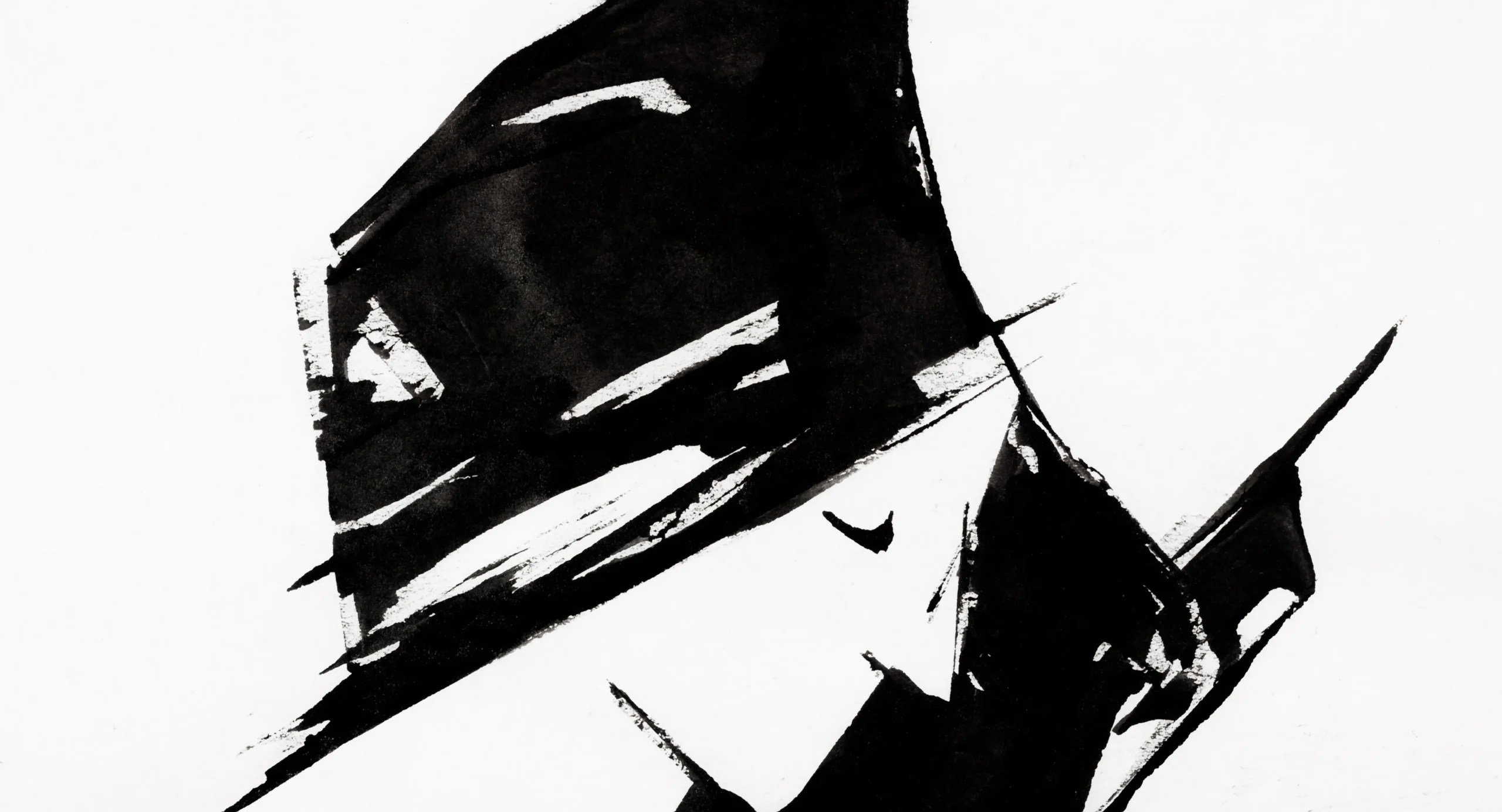
Loca (Véronique Paquette, Canada)
The ink-black abstraction of the tango dance provides an opportunity for the character to lose herself, and of course lots of interesting play with the style. At the very least, it reminded me to watch this again.
Late Night

Luz diabla (Gervasio Canda, Paula Boffo, Patricio Plaza, Argentina/Canada)
We can point to something like Devilman Crybaby as an antecedent (the character is not far behind, an off-putting rave kid who just wants to get fucked up, and in the final moments where the hedonism transforms into a nightmare). But the dynamic between the country folk and their mysticism (the gauchos) and the young city dweller is all its own. Perhaps the final kiss is a little cute, but the overall idea works.
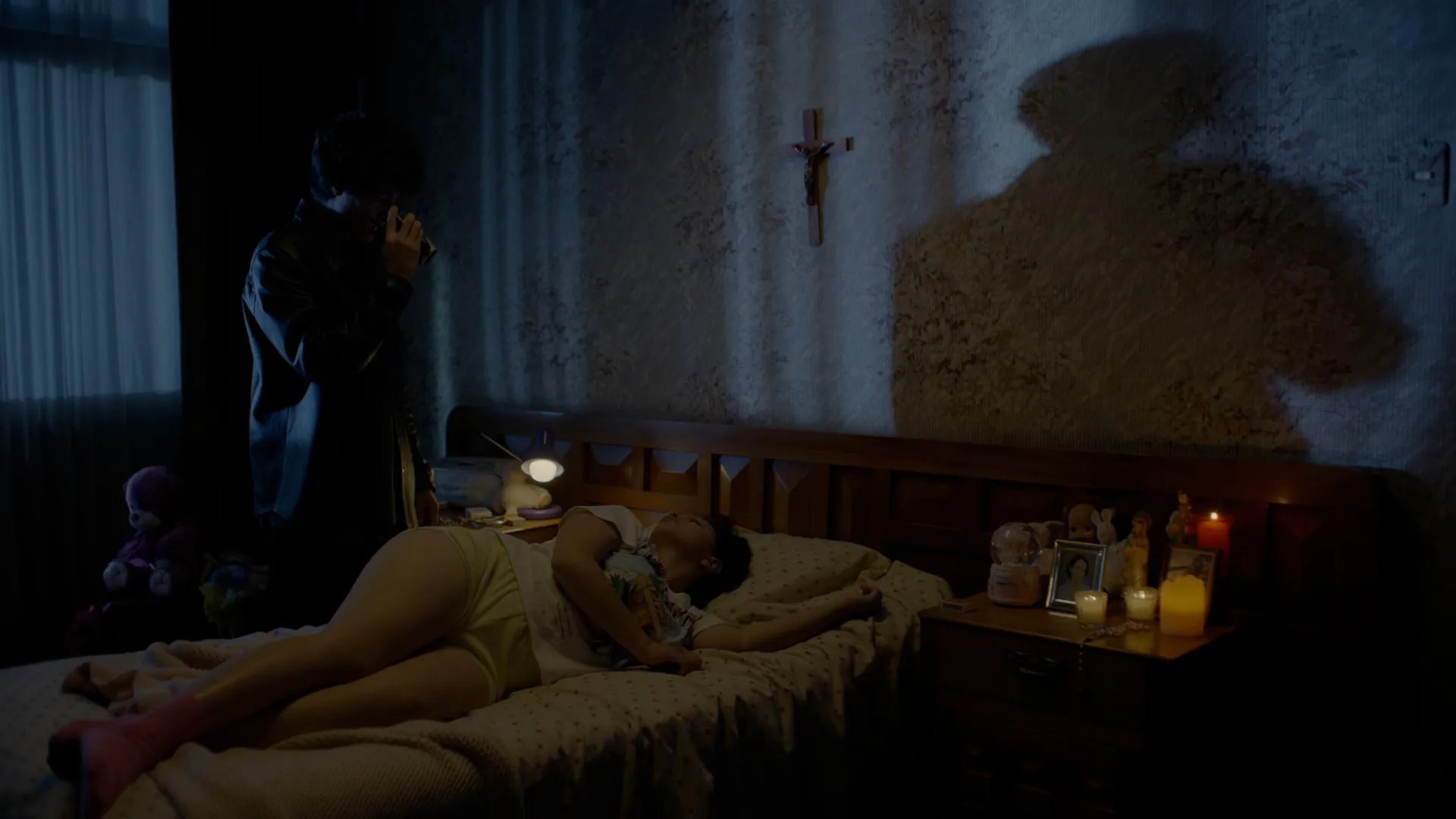
Ni cumpleaños ni bautismos / No Birthdays or Baptisms (Omar Castillo, Juan Fernando Ramírez, Luis Fernando Ramírez, Mexico)
I’m fairly convinced that most of the things I found compelling about this film probably come from the original short story by Mariana Enriquez, but this filmmaking team do a good job of conjuring a good atmosphere of dread. There’s a fascination with the grotesque, with the unknowable, that is fascinating for me. Horror is a genre I have a complicated, often antipathetic relationship with, but this hit a sweet spot that’s rare. It does feel like there was still a little meat left on the bone however. The execution in those crucial final moments is over-reliant on familiar tropes and feels too rushed (there should’ve been a sustained note of pure horror).
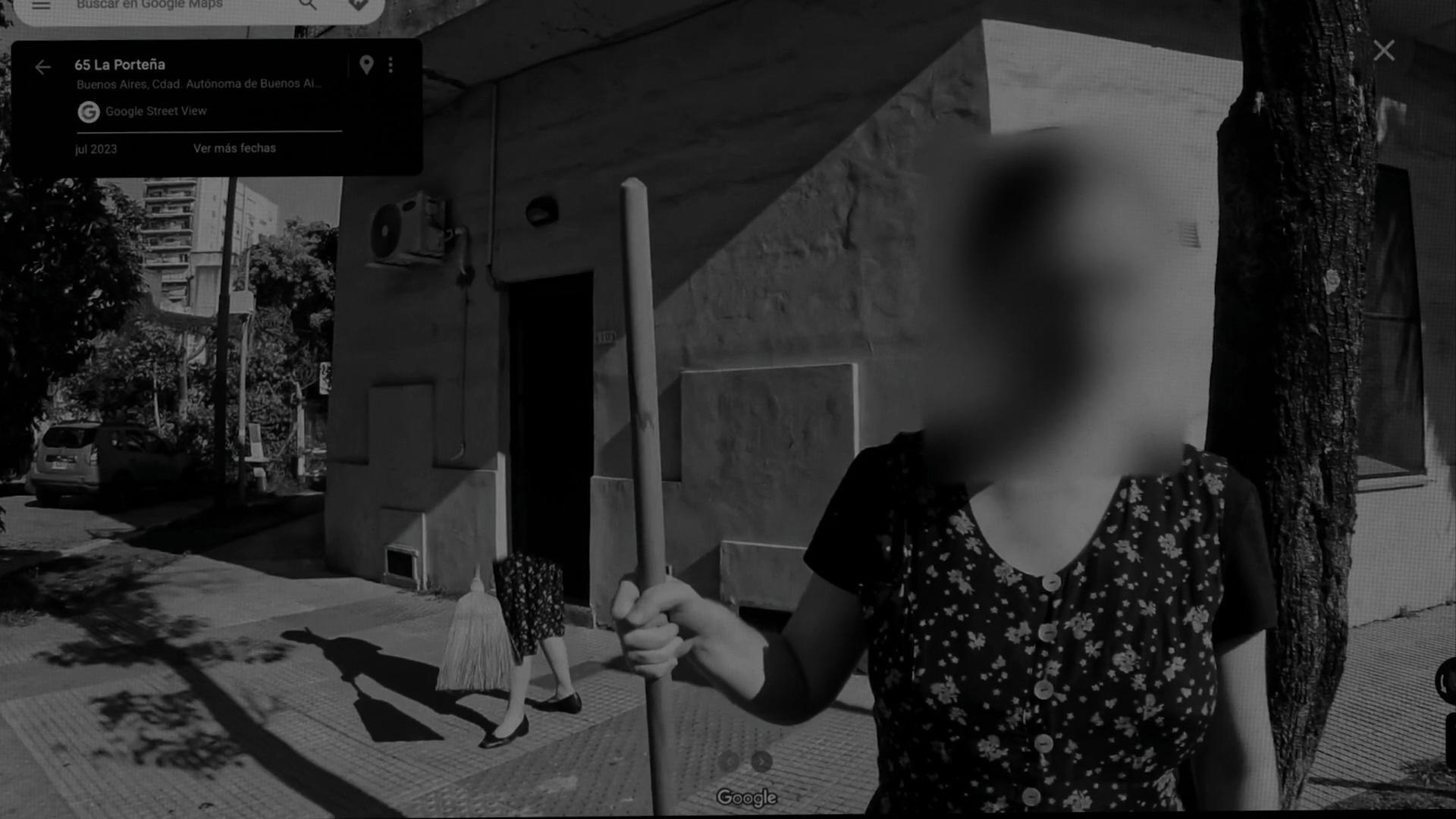
Una especie de brujería / Some Kind of Witchcraft (Emilia Cortés, Argentina)
Combines a couple of ideas that I’m not a fan of – the ‘desktop’ cinema aspect of this, which involves scrolling through fake google results and made-up websites, and also the lack of a true engagement with a performer, with a scene. There’s simply a lack of development and the goofiness of the idea never sat right with me.
Passions
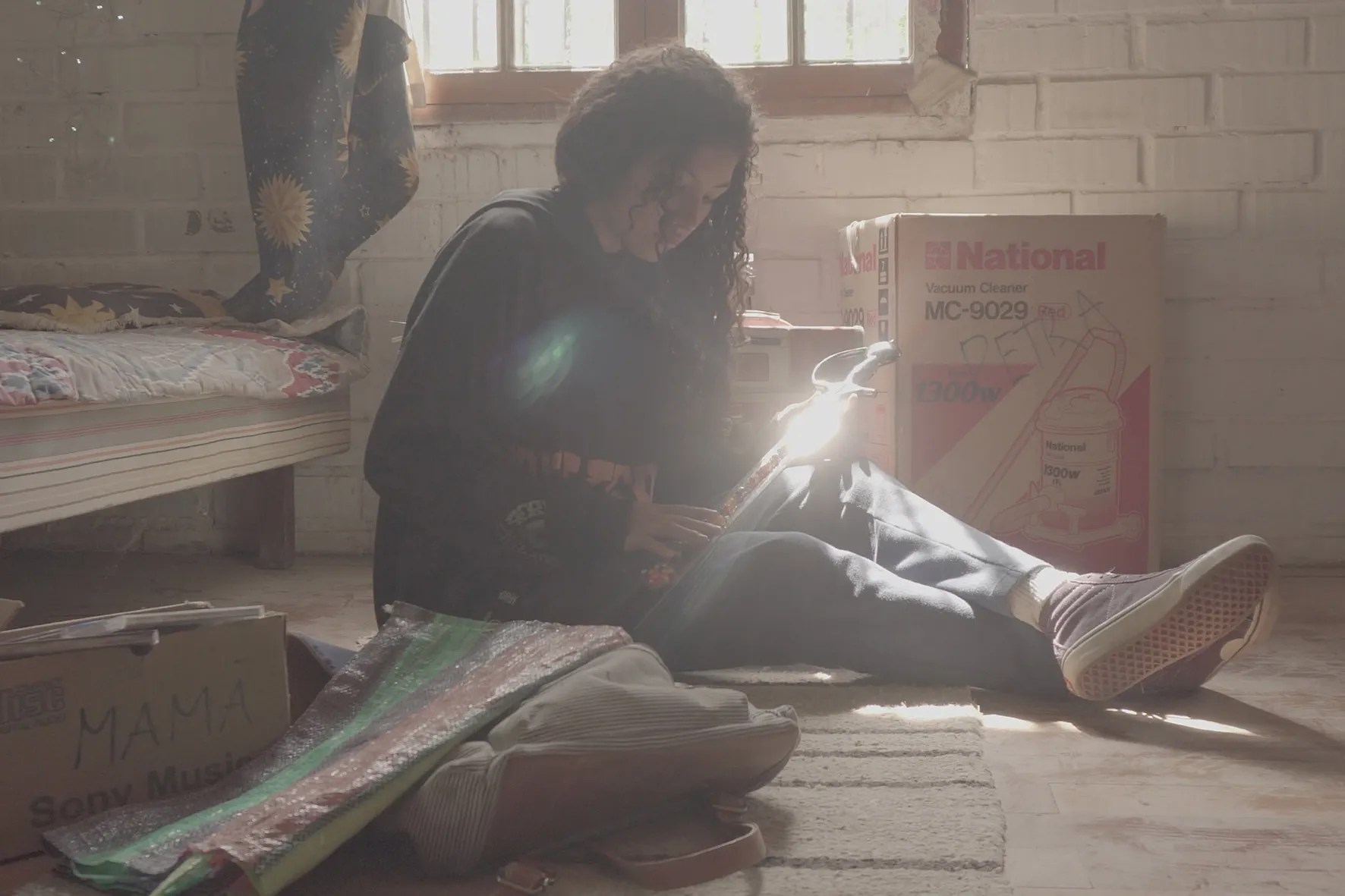
Dragón (Yashira Jordán, Bolivia/Mexico)
The film goes back and forth from its teenage characters (a brother and sister who work at a market) and an older guy who is into rock music and video games. In this exchange, we learn the environment – there is the market, the computer cafes where the characters play a retro game, the various watering holes – and most importantly we learn that if you’re caught stealing, you will be lynched. This threat of violence lingers in the air, as we’re plunged into the particulars of this world. The camera image is rough, hand-held, often barely keeping in focus with the characters, or moving awkwardly to regain its composure. Perhaps it’s more than a little haphazard. And yet there was a moment where I was reminded a little of the rough-hewn poetry of someone like Jose Celestino Campusano, specifically the shot where the older guy is so mad that he smashes the frame from his wall on the floor. The unvarnished reality of the action, captured in a single shot, struck me as just in that moment.

Eso que todxs hacemos / That Thing We All Do (Violeta Tapia, Argentina)
Interesting documentary short about masturbation which unites the perspectives of four subjects (each one with their own hang-ups and ideas regarding the act, the desire for it, the rituals associated with it, etc.). The dictionary definitions early on are probably unnecessary, just another gesture to liven up the film, because the subjects are very revealing of their own desires (we are already captivated). At the film’s end, in an audacious act, it tries to simulate the climax through various imagery, bodies grasping, caressing, exploding. It adds another level of interest, though perhaps it would’ve been more intriguing if everything had been left to the imaginary – there’s no organ as powerful as the brain after all.
Politics

A Field Guide to Tech Billionaires (Lewis Bennett, Canada)
I will admit that I have trouble with this type of short film, where the direction is not an act between the camera and the performer, or a setting, but rather an assemblage done in a digital editing software. It feels like something separate from cinema. Perhaps I’m too rigid in my thinking, because this is often frequently funny in the way it suggests that everyday people are treating these tech billionaires as religious icons to interpret and worship (and also to exploit by selling courses on them?). It’s a fundamentally depressing idea but it’s worth a couple of chuckles. It just feels very far away from my interests.
Love Affairs
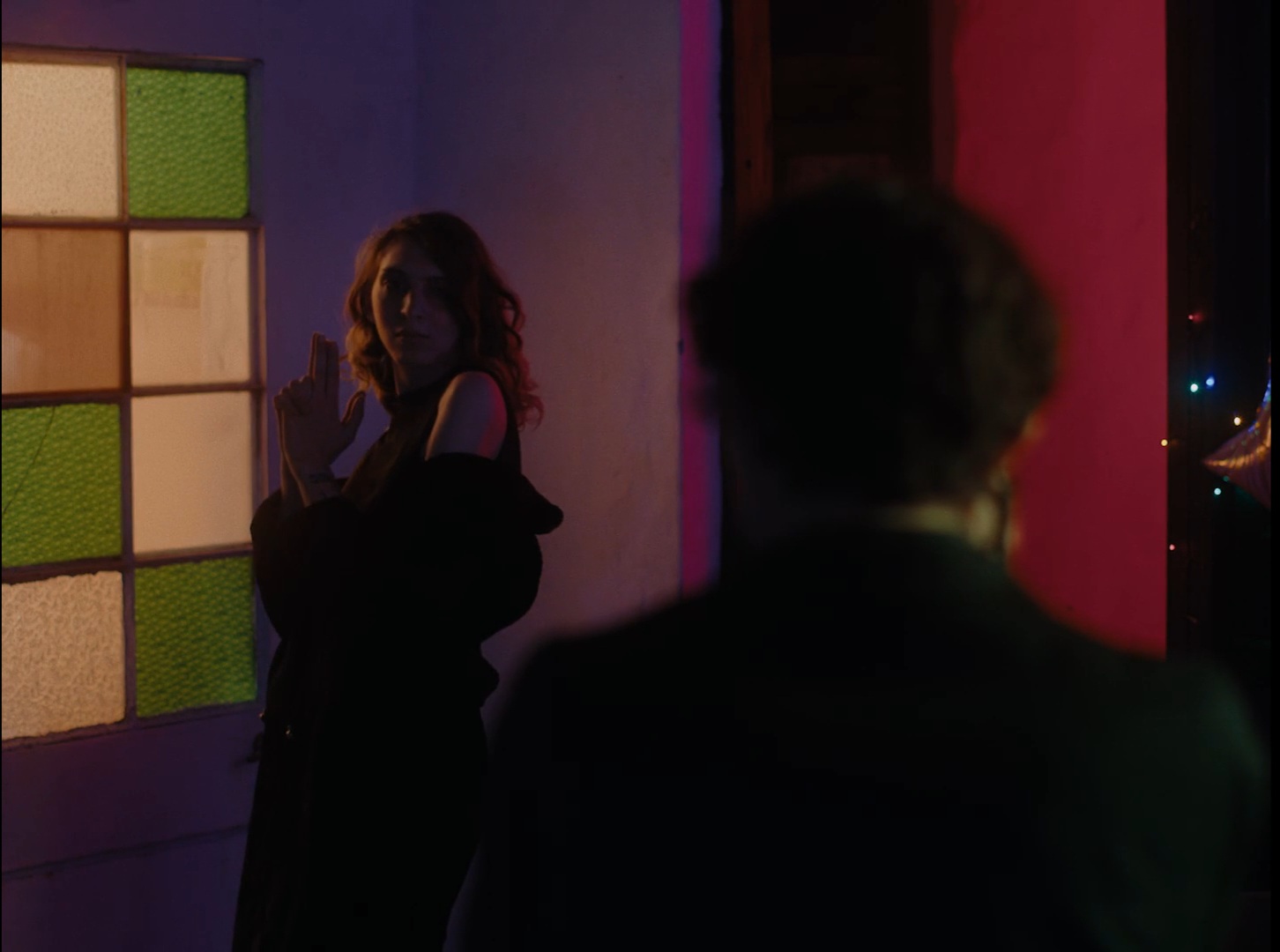
Orbitando / Orbiting (Tomás Ellemberger, Argentina)
From the title, I knew we would at least be able to listen to the great song by Los Encargados (which I first discovered through the cover by the Deborah de Corral mid 2000’s outfit Imperfectos, music only available in the worst quality imaginable) and that put me on its side. In this case, the performers are tasked with carrying out a fair bit of cliched gestures (ritualistic devotion to showing the characters using their lighters and smoking), which is a bit typical. The first shots with the main character seeing couples kissing on the street won me over, and suggested a desire for romantic wish fulfillment. Perhaps this will be the night where I’ll meet the girl of my dreams! The filmmaker navigates this fantasy more or less admirably and seems to have found a very intriguing actress in Circe Vázquez. The test for a filmmaker is this: what comes after the fascination with youth has run its course?

Una trabaja, la otra no / One works, the other doesn’t (Maider Fernández Iriarte, Spain)
I’m very sympathetic to this type of filmmaking – one filmmaker with an idea, filming their apartment, filming their partner, a domestic space, and a relationship documented by turning toward fiction (slightly). The routines of the couple are explored by exaggerating them, which turns these routines into small, slightly amusing sketches. I admit the prominent placement of the book Los cines por venir by Colombian filmmaker Jerónimo Atehortúa put me on edge, as this type of cinephile reference can often veer into self-satisfied territory, but then the discussion of a Mariano Llinás quote regarding producers put me at ease (comedy always helps). What is the shape of film to come? Maybe it looks like this, more homegrown, more artisanal, less reliant on the manpower of industry… At the very least, this film concludes that the work of a filmmaker is very strange, a continuous process of reading, inspiration and, yes, labor. But it’s so intertwined with life that it begins to look like something else. An artist has to reclaim that right a bit, and hopefully they don’t piss off their partner too much in the process.
Postscript
Lautaro Garcia Candela, friend of Lucky Star, just recently wrote an introduction to La vida util’s coverage of BAFICI, where he describes his relationship to the festival from when he was younger to its current state, where the artistic director refuses say certain names and tries to decouple the crisis of Argentine cinema from its actual source (instead we get platitudes about valorizing Argentine cinema and its lack of box office success). The outcome is a certain disillusionment, or rather, seeing things for what they are. It’s hard for me to say how things are, of course. In the previous festival column we posted, I attended the event in person and was able to get a feel for how the event was run, what was emphasized in the programming, etc. In this situation, I am nowhere near Argentina, I don’t know what it means for a film to screen in the Gaumont versus Cinearte Cacodelphia, or the ambiance in the air, the activity in between screenings, the discussions, etc. All I have is a catalog to work through and some chatter on social media. Garcia Candela describes the programming beyond the non-competitive sections as “films lumped together under a series of labels that unite them in imprecise categories, without necessarily generating a dialogue or a curatorial narrative.” But I must admit it helped guide me a bit when I couldn’t decide on what to watch (still bummed out I couldn’t watch all the films in the romances section for example). The issue becomes when categories become too rigid. As Garcia Candela notes that a solution would be to “have the structure of the programming emerge from the films themselves”, and that the way that the “programming is organized should be an invitation to follow a path.” I made my own rather strange and incomplete path through the films and found the experience confounding and interesting in equal measures. But the shorts are only a part of the equation…
To end this insane exercise, we can make a few observations. There’s a very active independent production scene in Argentina currently, relying on municipal state bodies (whether provinces or cities, etc.) rather than national funding (which is basically gone), and lots of productions by those closer to student age (often relying on support from their universities, such as FUC or ENERC). There’s a commitment to animation beyond the confines of Baficito, sprinkled throughout the many sections as well. There’s an insane amount of films here and the short films, when programmed alongside the features, tend to get the short end of the stick. It is harder for them to stand out. They get their own prize from the jury but other than that they’re shown in thematic blocks, never quite getting their own spotlight. It’s all cinema in the end, but the way the films are positioned matters. I haven’t made up my mind on this… More than anything else, I would like to say that I kept being surprised by the films, which is one of the stated goals of the programming team – they want what is surprising, off-the-beaten path, not just taking what has already been pre-approved by other festivals. It’s this sense of surprise and risk that made this exercise worthwhile. The question on everyone’s minds is then this: how many Argentine films will be in next year’s BAFICI?
We’ll now end with some thoughts from a few of the filmmakers featured above. I asked them the question, what does it mean for an Argentine filmmaker to play in the BAFICI in these days?
Emilia Mark (If I Slept): I was born in Buenos Aires and I’ve lived there all my life, therefore BAFICI is an important festival for me, since I’ve participated as an spectator since I was a child. Being able to participate with my short film in this edition signifies a great emotion, and also the possibility that all my friends and family can go see my film on the big screen in my own city. Furthermore, it is a space that gives opportunities to filmmakers who are just starting out, as is my case. Nowadays there are not many spaces with these opportunities in the country… Therefore BAFICI is a refuge.
Alejandro Gallo Bermúdez (The Little Panthers): It is very important for any filmmaker to be selected in competition at BAFICI, one of the main festivals in Latin America. It is a a festival that I’ve seen grow up, because I am from the interior, from Salta, and when BAFICI started I was just studying film in Buenos Aires, which also fueled my cinephilia. Furthermore, the quality of BAFICI’s projection is spectacular and since it was the world premiere it was a joy to see and hear the film as I dreamed. In Argentina, we are living through difficult times with respect to INCAA, practically dismantled, so being in BAFICI was also a space of resistance.
Laszlo Rapaport (The Last Living Boy in Buenos Aires): First of all, on the 10th of april, right after my second screening a dear friend of mine brought to my attention some very important info. Alex Reynolds, director of “Horizontal”, one of the films that should have been screened with mine, had removed her film from the festival days prior to its beginning. What my friend showed me was a post in which she explained that her withdrawal was due to the festival’s Zionist agenda. Upon some research we found that indeed the festival was not only sponsored by Israel’s embassy on Argentina but it also featured a series of Zionist propagandistic features (this one I believe to be the most blatant case: https://letterboxd.com/film/710-sur-rojo/). Upon this I apologized on my last screening for not having investigated BAFICI’s political stance previously and distanced myself from the festival. BAFICI’s supposed to be Argentina’s second most important festival and a bridge between niche or independent artists and the habitants of its greatest city. That this space is being used both as Zionist and liberal agenda while known figures from our industry willingly play along left me with big feelings of despair in regard to Argentinian cinema.
Furthermore, I don’t know if it was because I shared my screening with another film and most of the attendants were family and friends but there was this strange feeling I can’t quite explain. People didn’t seem as if they were watching cinema. They were going to the cinema, and they inevitably watched the movies. But it felt as if they were going through paperwork. They were there because of a friend, or because they’d worked on the other film, but I have this feeling that during the 38 minutes they had to withstand my film before seeing theirs they just weren’t willing to discover anything at all within it. Maybe it’s just my ego, but then again, the few haters I’ve gained seemed more pissed about my pro-Palestinian stance than about my film. I leave with this feeling that BAFICI, unless you’re one of the big international screenings, is not a film festival but a commitment and networking 13 day long buffet.
At first I thought this really wasn’t helpful with my other film I’m working on. I doubted cinema, I doubted the ability to make any discursive or sensorial achievement throughout cinema, at least in person. Again, this was supposed to be that one place where cinema still stands in Buenos Aires. I already despise my own films and this frustration didn’t help. But then I remembered I’m a little asshole and that I despise [redacted], [redacted], [redacted], [redacted], I guess also that one idiot who tried to call security on me while I was apologizing. And I love that I might have been able to annoy them even just a little bit. And I love that more than I despise my films. So I guess BAFICI got me going again when it comes to filming.
The Buenos Aires Festival Internacional de Cine Independiente (BAFICI) took place April 1st to April 13th, 2025.

 Lucky Star