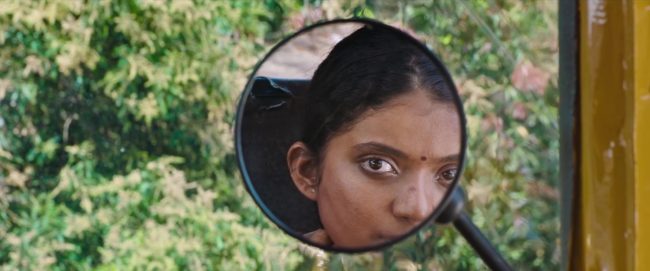
The story of Lucky Star starts around 2019. The initial discussions were inspired by the Argentine film journal, La vida útil, and our desire to have a space to explore our cinephilia. In that initial conception, we had planned to start out with dedicated issues. We wrote a lot toward this goal, but ultimately landed on something more informal, which could fit in the margins of our lives.
What was never in doubt is what the focus of the site would be. Lucky Star was started as a place to explore our passions. If there is a logic to what we cover in our site, it’s that – we do whatever the hell we want. Ultimately, this site is not a job. It’s never going to make us any money. We work on it during our free time, when the world allows us. Because Lucky Star does not exist under the logic of economic pressures, it’s able to be free. There is no pressure to cover new releases, or to address topics that don’t interest us. The site reflects our desires, our whims. I can’t imagine it any other way.
As we take stock of 2024, what seemed most apt to do is to, once again, invite some friends and see what they’ve been watching. These are people who collaborated with us behind the scenes in one way or another. And if there’s an ambition going forward is to try to grow our little corner of the film world, even if just a bit. Our hope is to write with freedom, away from the logic of advertising and marketing. I believe that the lists below embody that sense of freedom.
Watch the editors count down their top 10 films of the year in The Lucky Star Podcast episode three.
Jhon Hernandez (Lucky Star editor)
Top 2024
Kottukkaali (PS Vinothraj, India)
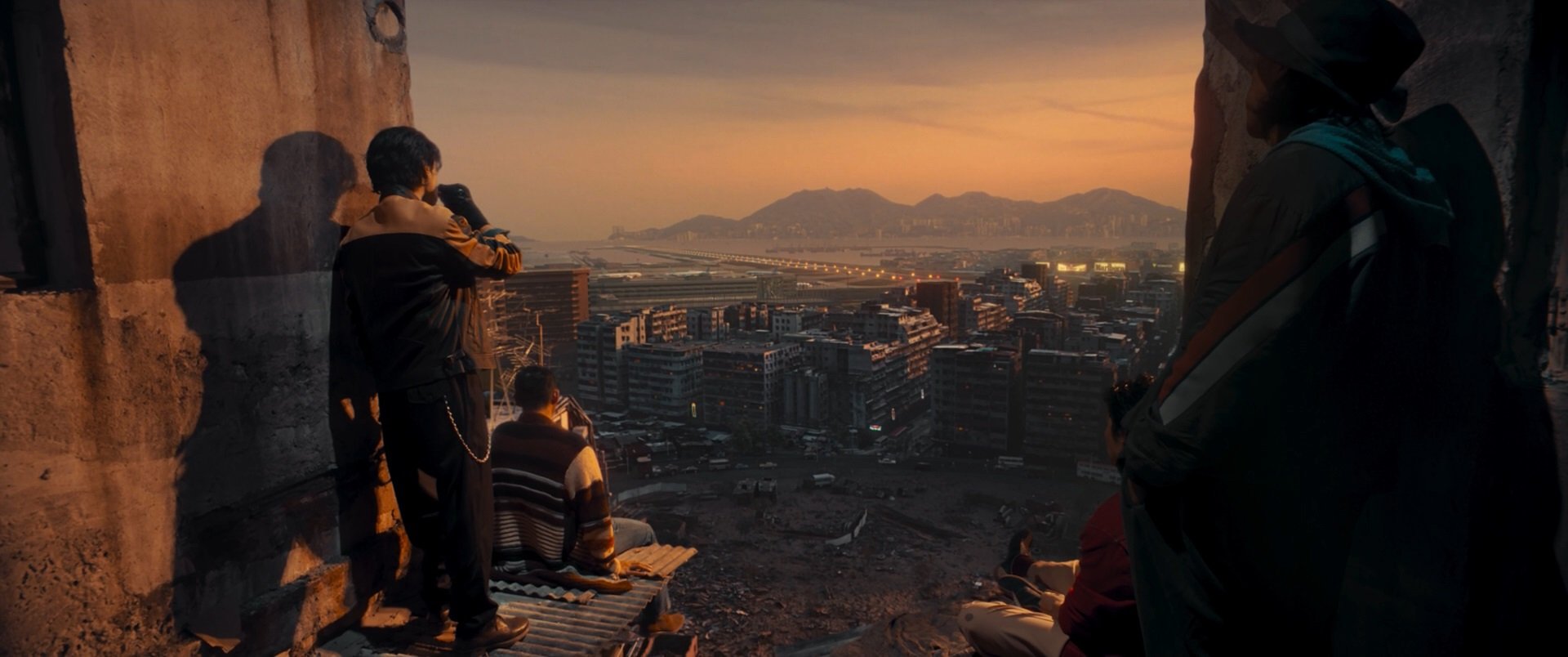
Twilight of the Warriors: Walled In (Soi Cheang, Hong Kong)
Territorio (Jose Celestino Campusano, Argentina)
One Last Bloom (Takahisa Zeze, Japan)
Teasing Master Takagi-San (Rikiya Imaizumi, Japan)
Chime (Kiyoshi Kurosawa, Japan)
The Major Tones (Ingrid Pokropek, Argentina)
La réputation (Carmen Leroi + Emmanuel Mouret, France)
Juror #2 (Clint Eastwood, USA)
Greice (Leonardo Mouramateus, Brazil/Portugal)
Teasing Master Takagi San ran as a manga from 2013 to 2023. Then from 2018 to 2022 there was an anime adaptation across three seasons (followed by an animated theatrical film). Then in 2024, a live-action series adaptation was greenlit to be written and directed by Rikiya Imaizumi, which was then followed by a feature-length continuation done by the same creative team. This is a set of events that’s emblematic of the current state of the Japanese film industry.
The basic premise is that Takagi always teases the boy who sits next to her, Nishikata, and he tries to find ways to get back at her. The relationship between the TV series, which runs eight episodes and finds the characters during their middle school years, and the film, which jumps ten years into the future, is key to understanding the work. The teasing between the characters set the limits of what a romance can look like for these 13-year-olds. In the highly codified/regimented world of Japanese TV drama, the teasing games between these two characters substitute scenes of love declarations, petty dramas, first kisses and such. When I write on social media that “two people can be an entire universe,” it is because these two characters, in all their interactions, the strange movement (backwards, forwards, side-to-side) of their dialogues, glances, thoughts, suggests to me an almost self-contained universe. Other people are present, like some of the schoolmates, but mostly the show lies in the space between these two characters, as they create their own private language.
The genius of this work lies in Imaizumi’s precise control over his material – each shot feels correct, at the right distance, a careful decoupage delineating the shifting emotional states of his characters. The elements are balanced. One could imagine a version of this 100 times worse, where a saccharine score took over and did a lot of heavy lifting, or where the actors overplay their cuteness. Instead Imaizumi trusts in his instincts – two actors in the frame, the gap between them closing (physical, emotional), until they are united.
I am listing the feature-length version of this project because the way in which it negotiates its status as a film object fascinates me. It is a work that must respond to the TV series (there are flashbacks to it early on), revisiting and updating the same events of the show, but with a new logic. Because as a young adult, you can’t quite act the same way you did as a 13-year-old and the metaphor of the teasing game can’t quite stand up to the scrutiny of repressed romantic desire. Thus the film, by restaging and revisiting some of the key moments of the earlier TV series, tests the limits of what its world can support. The characters must redefine their teasing game in order to move forward. If the film falters is because the world of the film opens up too much to supporting characters thereby forgetting for too long the strange chemistry between the performers (who, let’s not forget, have had to adapt the performances and behaviors of their younger TV counterparts to something that makes more sense in the body of a 23-year-old – Mei Nagano, in particular, as Takagi is remarkable). Imaizumi’s dramatic instincts serve him well in the climactic scene in the classroom where the two characters sit at their old desks. Throughout the film, Takagi-san remarks that nothing has changed about her old island town, and how this is wonderful. But this talk between the characters is entirely about defining what has changed, and about what is next. The teasing metaphor and the playful language recedes to the background, and Imaizumi responds in kind by staging it in a extended take between the two characters, laying bare the emotional stakes. What does teasing mean to you?
I don’t know what it is, but for some reason discovering this type of film is what excites me the most…
Top Discoveries
Una donna libera (Vittorio Cottafavi, 1954, Italy)
Four Sisters (Nobuhiko Obayashi,1985, Japan)
My Heart is That Eternal Rose (Patrick Tam, 1989, Hong Kong)
Travolta and Me (Patricia Mazuy, 1993, France)
We Made a Beautiful Bouquet (Nobuhiro Doi, 2021, Japan)

Seema Pai (Lucky Star editor)
Top 2024
Merry Christmas (Sriram Raghavan, India)
Vaazhai (Mari Selvaraj, India)
Trap (M. Night Shyamalan, USA) / Furiosa (George Miller, Australia)
Scorched Earth (Thomas Arslan, Germany)
Kottukkaali (PS Vinothraj, India)
Twilight of the Warriors: Walled In (Soi Cheang, Hong Kong)
Meiyazhagan (C. Prem Kumar, India)
Ruka on the Road (Shunji Iwai, Japan)
Stress Positions (Theda Hammel, USA)
La Práctica (Martín Rejtman, Argentina)
How does one process trauma? Vaazhai, Mari Selvaraj’s latest film, is by his own admission his most autobiographical and based on a real tragedy that was formative for him as a child. There are other films on my list (Roju no ruka, Merry Christmas, even Meiyazhagan) where the response is to go silent because what preceded the silence is unspeakable. But Vaazhai opens with a piercing scream and clearly originates from anger and even a shade of survivor’s guilt – why was I the one spared and what do I do with this life I have been granted?
In Selvaraj’s case, he makes a film that manages to put faces and stories to the victims of the devastating tragedy that erased most of the working population of a town serving as bonded labor at a banana plantation. Vaazhai ends in a mass funeral where no home seems to have been spared, and yet the tragedy itself is only part of the film. What we get instead is a charming and unique coming of age film filled with love, adventure, romance (one-sided towards his school teacher and life-saving as it turns out) and dreams. And yet throughout, we have this foreboding of doom perhaps because we end up sharing the very real fear of going out to work that Sivainandhan, the protagonist, is constantly battling. Of course, his fears turn out to be warranted with an ending that abruptly and completely disrupts life as Sivainandhan knows it.
Mari Selvaraj has only made 4 films and has already been ordained by his peers as the most important commercial filmmaker working in Tamil film right now. In each of those films, he openly represents caste-based oppression of the community he comes from. In his first 3 films, one could argue that he is examining the possibility of acting on Dr. Ambedkar’s clarion call – Educate, Agitate, Organize (his first film opens with the declaration). For Selvaraj, this is history and history he would like to not be forgotten.
Top Discoveries
Manila in the Claws of Night (Lino Brocka, 1975, Philippines)
Kadhal Kondein / Aayirathil Oruvan (Selvaraghavan, 2003/2010, India)
Call Me By Your Name (Luca Guadagnino, USA/Italy)
Roubaix, une lumiere (Arnaud Desplechin, 2019, France)
Veyyil (Vasanthabalan, 2006, India)

Nathan Rogers Hancock (Lucky Star editor)
Top 2024
Merry Christmas (Sriram Raghavan, India)
Un Prince (Pierre Creton, France)
Kottukkaali (PS Vinothraj, India)
Meiyazhagan (C. Prem Kumar, India)
Territorio (Jose Celestino Campusano, Argentina)
Ruka on the Street (Shunji Iwai, Japan)
Raayan (Dhanush, India)
Stress Positions (Theda Hammel, USA)
Vaazhai (Mari Selvaraj, India)
La Práctica (Martín Rejtman, Argentina)
Because it is late, because the notes scattered across my desk are no longer helping, because we have already delayed publishing this for several days on my account, and because, in any event, a group of films is often most beautiful where it is most heterogenous, I will not attempt to draw any grand line between these 10 new movies and 5 older discoveries seen in 2024. I will try instead to draw a simpler line, from one face to its double, across 21 years.
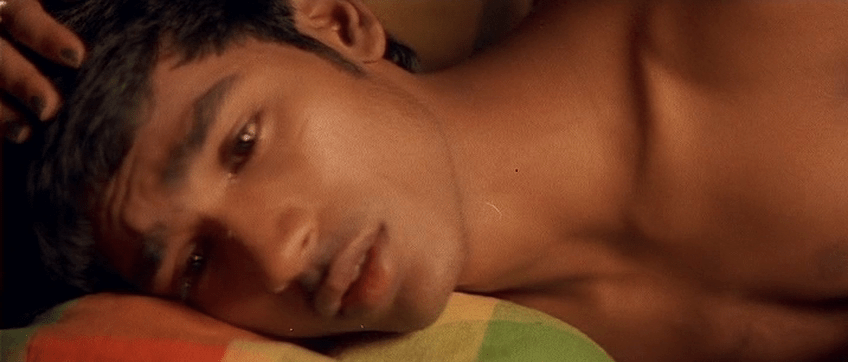
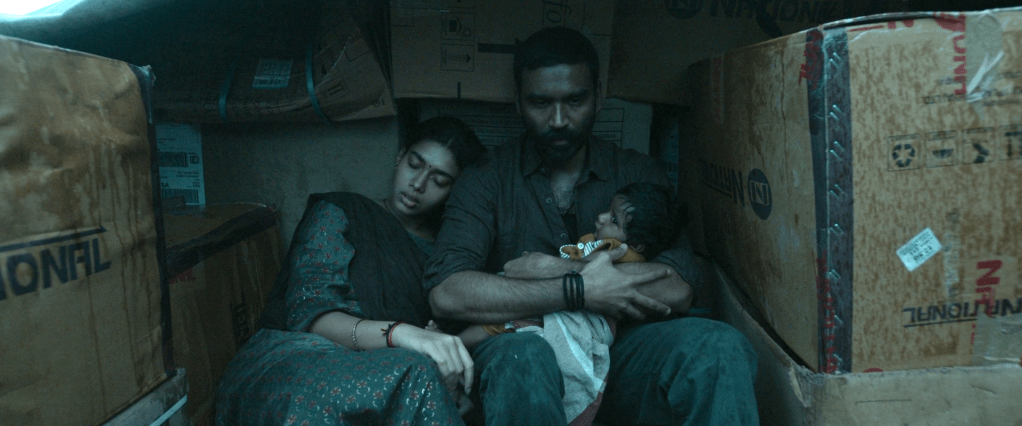
Kadhal Konden (2003) is the second film written and directed by Selvaraghavan, and the second starring his younger brother Dhanush. Raayan (2024) is the second film written, directed by and starring Dhanush (although there remains persistent speculation that Dhanush ghost-directed several of his earlier films); Selvaraghavan plays a small but crucial role, as a kind of surrogate father. It’s worth dwelling on the mythology for a moment – the filmmaker father, drifting further and further to the outskirts of an already ramshackle and decentralized industry; a general air of abuse and neglect; Selvaraghavan losing his eye to cancer, his family unable to afford a prosthetic; the last chance family production, with Selvaraghavan writing and then taking over directing, his reluctant younger brother starring, the father taking credit, allegedly to reassure the financiers, although he will continue to maintain the facade after the film is not just a hit but a hit at the moment of an incipient new wave in Tamil cinema. Selvaraghavan is just 26 when Kadhal Konden releases, Dhanush only 20. It is an orphan cinema of great, unnerving power, stripped of the cinephilic and literary filters of a Boy Meets Girl or a L’enfance nue, at once close enough to the overwhelming emotions of adolescence to allow them their apocalyptic weight, and distanced enough to feel a kind of disgust or even shame at this younger self, now grotesque and alien. It is a movie that deserves to be discussed in depth, like Selvaraghavan’s entire body of work, one of the most distinctive of the last 2 decades. But to describe this image we can say – Dhanush’s outsider young man, already a murderer, has lured the rich young woman he loves and who treats him like a younger brother to an abandoned house deep in the woods, under the pretext of meeting with the handsome young man she hopes to elope with. He tells her the story of his childhood, an orphanage story of great violence and cruelty; when the flashback ends she cradles his head in her lap. Dhanush does not consider himself to have been an actor at this point, not until he works with the great Balu Mahendra a few years later, and here he functions more like a physical conduit for otherwise inexpressible emotion, the passage to adulthood being traced out onscreen in all its violence.
What happens in the next 21 years? They make one more film in this register, the 2006 gangster film Puddhupettai, which starts with an abusive father slitting his wife’s throat and ends with its baffled murderer hero being showered with worldly acclaim. Selvaraghavan’s later movies, with and without his brother, retain their very unique formal charge but become more mannered, even cryptic, like the misunderstood Naane Varuvean, where a now middle aged Dhanush must protect his haunted child from his own murderous, forgotten double. Dhanush grows into both a very talented, canny actor and one of the most significant stars of his era, capable of both merging himself in the world of an auteur project and of playing into his own very specific star text, his own branding. In Raayan, he plays the eldest brother, a surrogate father guiding his abandoned siblings through a purgatorial urban landscape, a taciturn figure hollowed out from constant vigilance. His younger brothers resent his affection, which they see as control; they betray him and his sister, and the film concludes in a cleansing inferno of violence. Selvaraghavan’s character gets to die to protect Dhanush and his family, and before he dies gets to say with understated simplicity that Raayan is his son, a line that carries the weight of a lifetime. The final image is of Dhanush and his younger sister, played by the extraordinary young actress Dushara Vijayan, riding in the back of a truck out of the city limits, accompanied by an A.R. Rahman lullaby, rootless again but still together, their entry into the city as children in reverse. If the expressive, unruly pain of the early Selvaraghavan films is transformed here into a kind of iconicity, it nonetheless remains alive, linked to the self onscreen in a very material way, one that cuts against the enigmatic distance of fiction, of genre, a question, as is so often the case around cinema these days, about survival.
Top Discoveries
A Woman Crying in Spring (Hiroshi Shimizu, 1933, Japan)
Kaadhal Kondein (Selvaraghavan, 2003, India)
Veyyil (Vasanthabalan, 2006, India)
Raincoat (Rituparno Ghosh, 2004, India)
Juana a los 12 (Martin Shanly, 2012, Argentina)
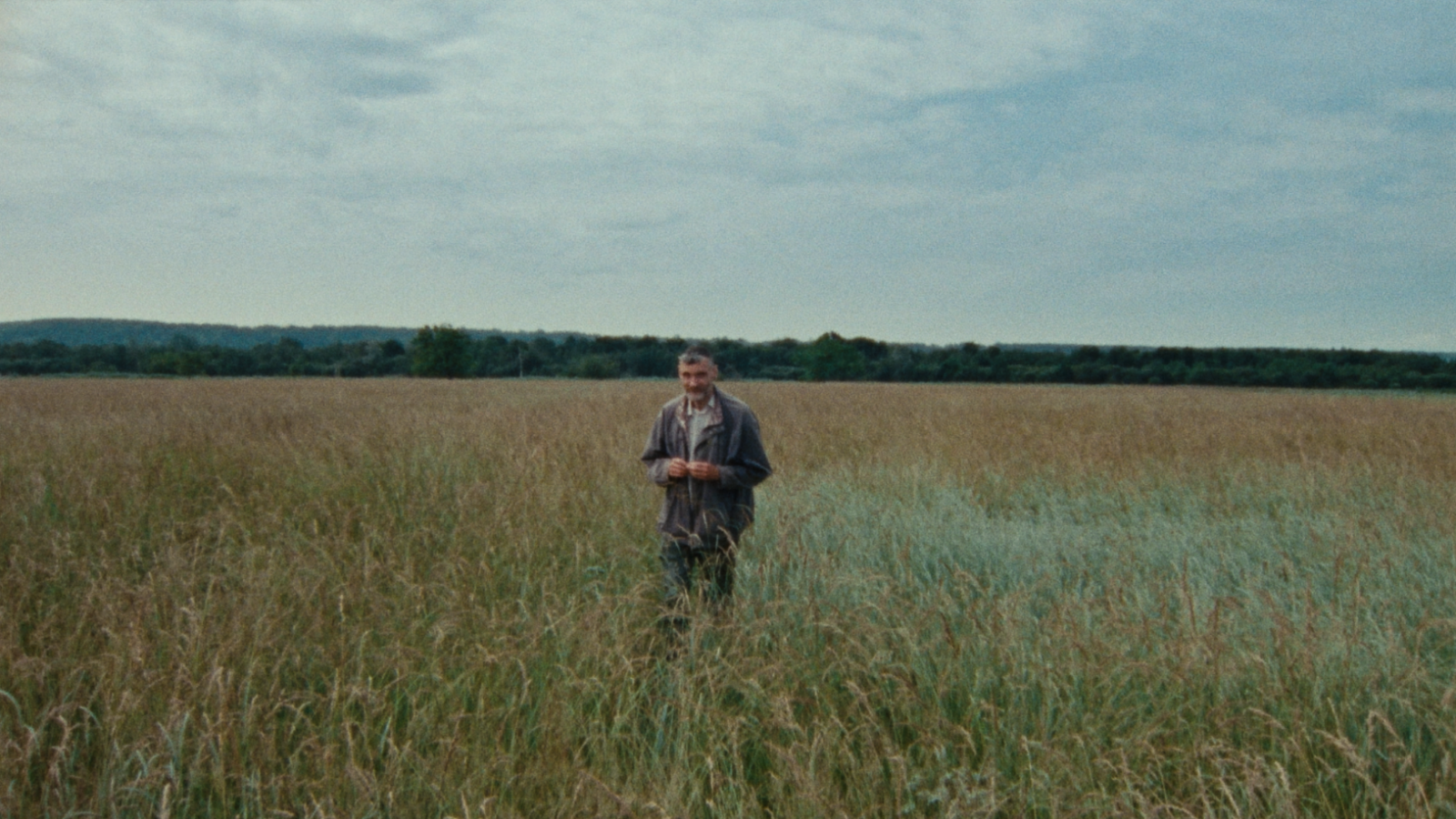
Graham L. Carter (Filmmaker and Distributor)
Top 2024 (alphabetical order)
7 Walks with Mark Brown (Pierre Creton + Vincent Barré, France)
Black Tea (Abderrahmane Sissako, Mauritania/France)
By the Stream (Hong Sang Soo, South Korea)
Fire of Wind (Marta Mateus, Portugal)
Kottukkaali (PS Vinothraj, India)
Mário (Billy Woodberry, Portugal/France)
Queer (Luca Guadagnino, USA)
Ricky Stanicky (Peter Farrelly, USA)
Scenarios (Jean-Luc Godard, France/Japan)
Stress Positions (Theda Hammel, USA)
Top Discoveries
Gertrud (Carl Theodor Dreyer, 1964, Denmark)
Samba Traoré (Idrissa Ouedraogo, 1992, Burkina Faso)
The Story of the Last Chrysanthemum (Kenji Mizoguchi, 1939, Japan)
Va, Toto! (Pierre Creton, 2017, France)
Love Affair (Leo McCarey, 1939, USA)
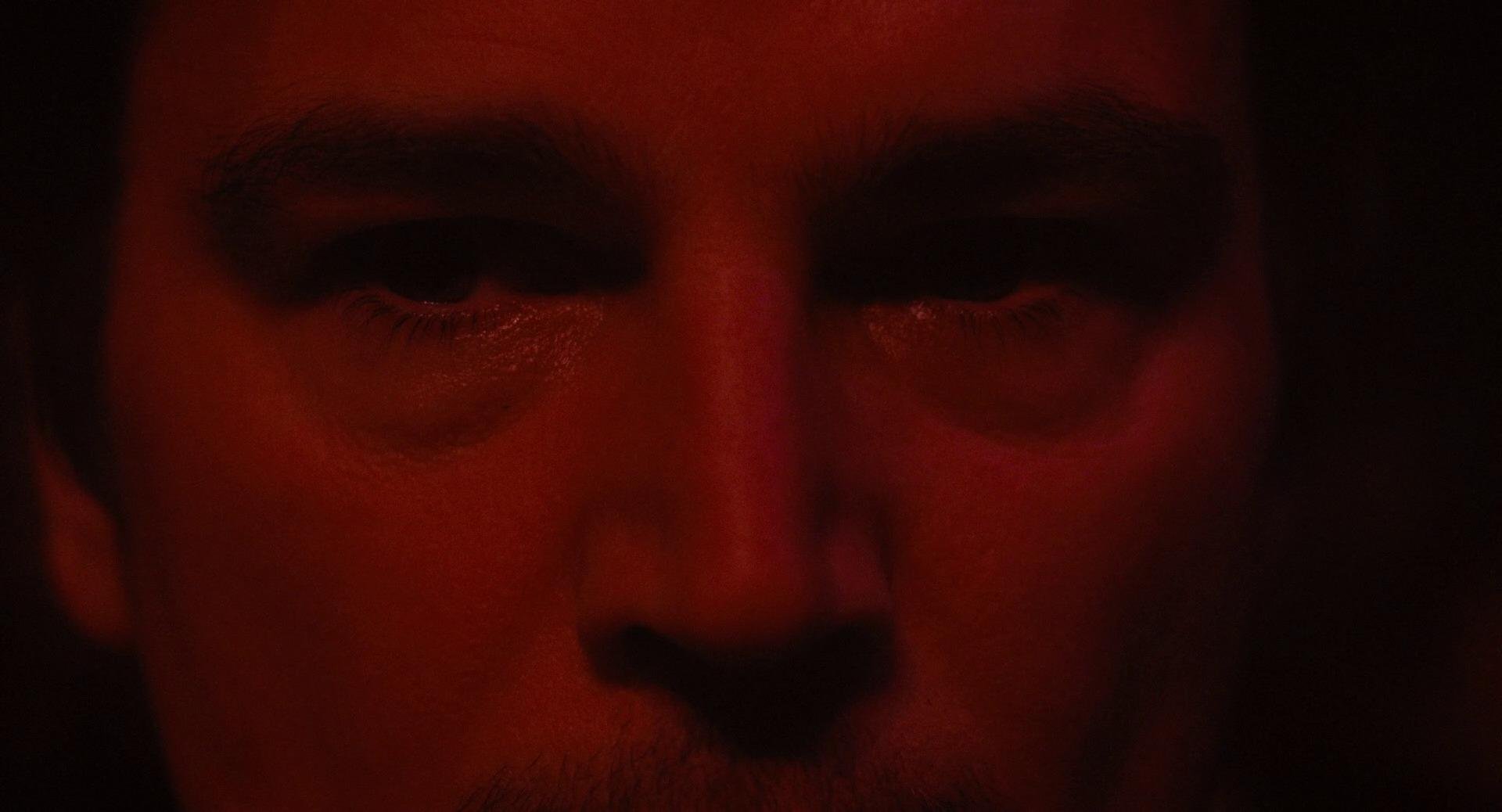
dadafi (amateur)
Top 2024
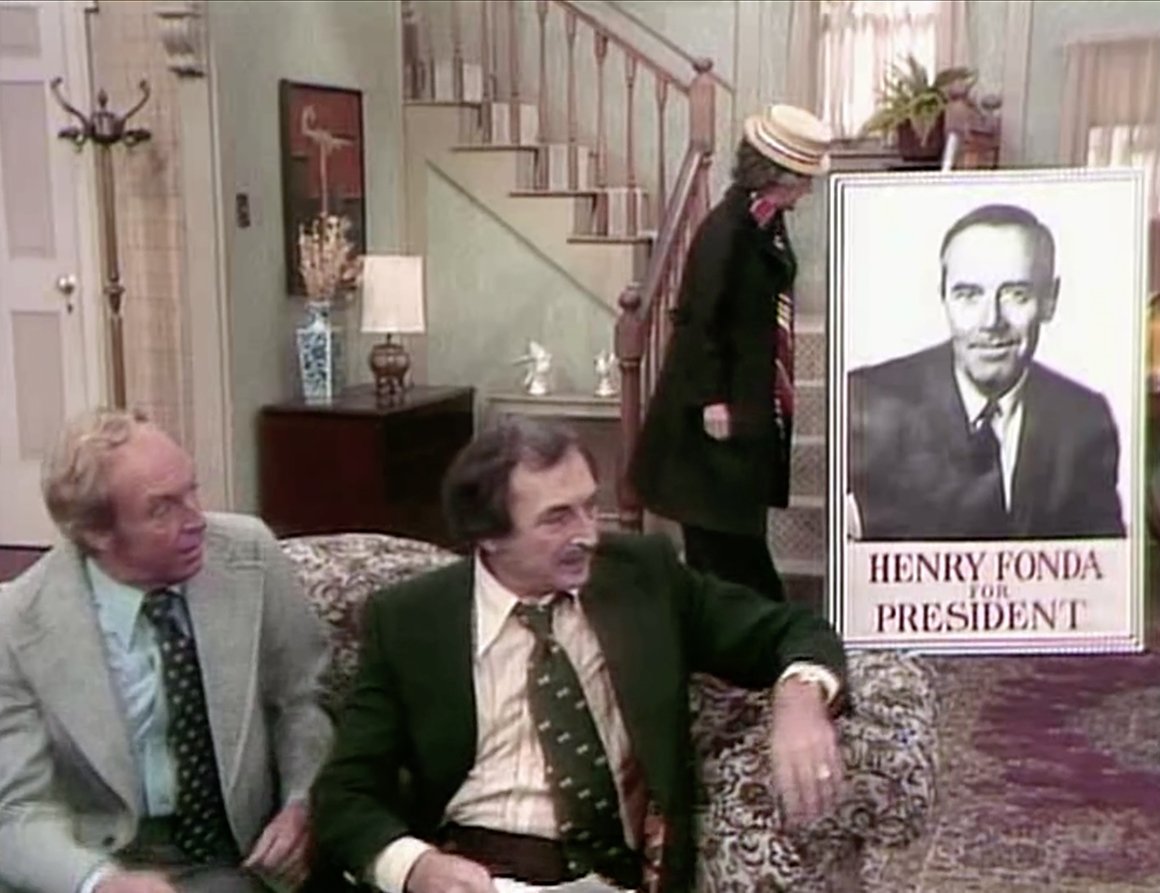
Henry Fonda for President (Alexander Horwath, Austria)
The terror of waking up one morning and discovering that Ronnie runs the country.
Trap (M. Night Shyamalan, USA)
Life was a costume party and I attended with my real face.
Cloud (Kiyoshi Kurosawa, Japan)
Maybe this world is another planet’s hell.
Adagio (Stefano Sollima, Italy)
You were not there for the beginning, you will not be there for the end.
Top Discoveries
The Winslow Boy (David Mamet, 1999, USA)
I am the empire at the end of the decadence.
Moving (Shinji Somai, 1993, Japan)
Let them fall Mowgli, they are only tears.
The Sword (Patrick Tam, 1980, Hong Kong)
The ruby has fallen out of his sword, his eyes are gone and he is little better than a beggar.
The Japanese Belly Button (Eizo Sugawa, 1977, Japan)
In the dark times
will the stuttering stop?
yes, the stuttering will stop
will sing madly
Bernice Bobs Her Hair (Joan Micklin Silver, 1976, USA)
Nothing as obnoxious as other people’s luck.
Tragic Jungle (Roberto Farias, 1963, Brazil)
Almost any man may like the spider spin from his own inwards his own airy citadel.
These Thousand Hills (Richard Fleischer, 1959, USA)
The fundamental maxim of Aristotle, that true virtue is placed at an equal distance between the opposite vices.
Lautaro García Candela (Filmmaker, Critic and Teacher)
Top 2024
Henry Fonda for President (Alexander Horvath, Austria)
Challengers (Luca Guadagnino, USA)
Una temporada en la frontera (Ileana Dell’Unti, Argentina)
You Burn Me (Matías Piñeiro, Argentina)
Fire Supply (Lucía Seles, Argentina)
Popular tradición de esta tierra (Mariano Llinás, Argentina)
Juror #2 (Clint Eastwood, USA)
Ricky Stanicky (Peter Farrelly, USA)
El Jockey (Luis Ortega, Argentina)
The Empire (Bruno Dumont, France)
Top Discoveries
That Day, On the Beach (Edward Yang, 1983, Taiwan)
Filme Demência (Carlos Reichenbach, 1986, Brazil)
Cuatro Corazones (Enrique Santos Discépolo, Carlos Schlieper, 1939, Argentina)
Tan de repente (Diego Lerman, 2002, Argentina)
La mosca y sus peligros (Eduardo Martinez de la Pera, Ernesto Gunche, 1920, Argentina)
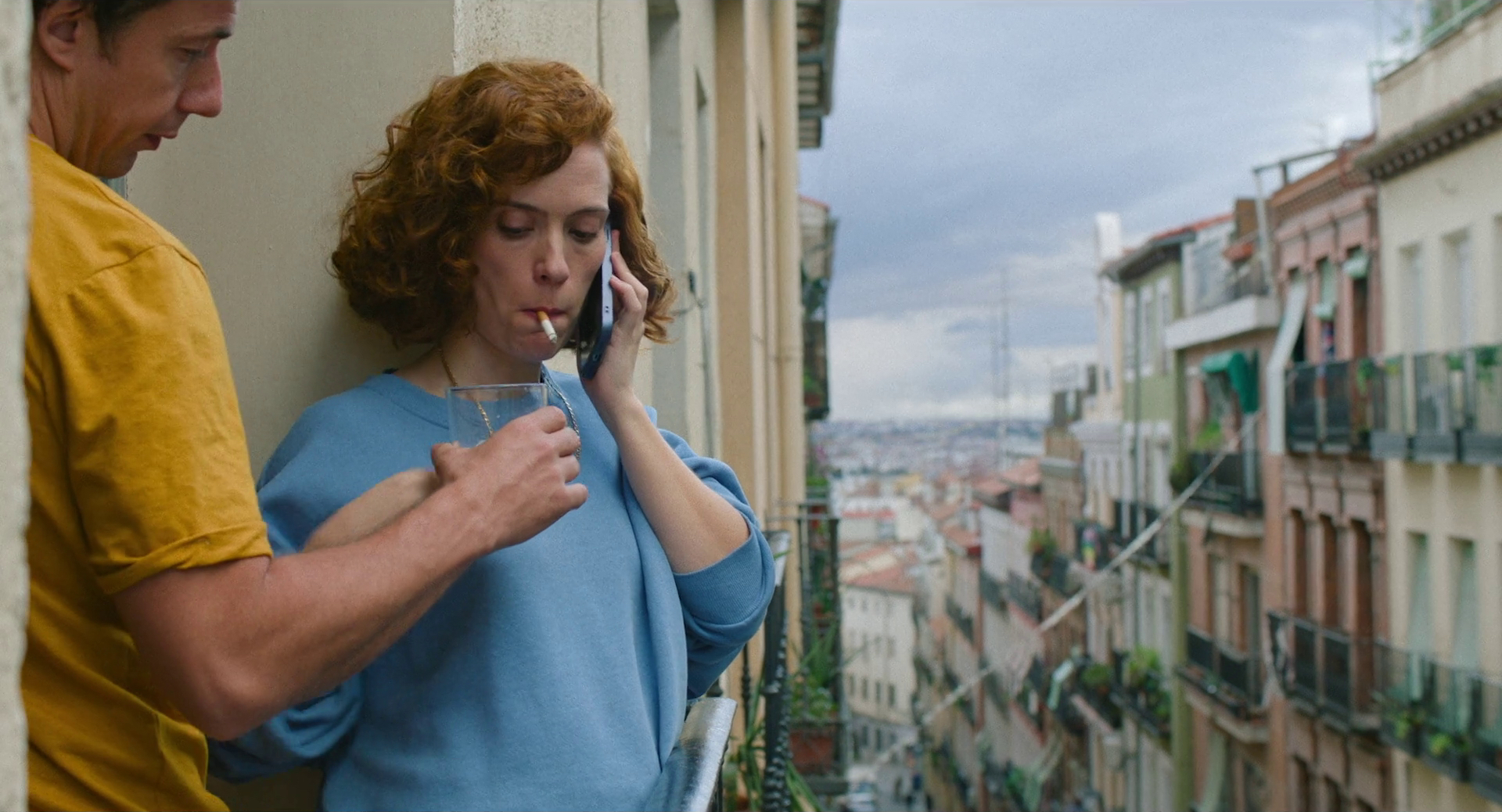
Jaime Grijalba (Critic and Translator)
Top 2024
One of the worst years of my life in many aspects. I didn’t watch that many new films that I actually wanted to see. I’ve been a pre-screener for the Fantasia Film Festival since 2020 and I’ve watched lots of films throughout the years, but many of them don’t get released, or I can’t really say I’ve already seen them. Also, most of them are completely horrible. Which makes it even more incredible that in my very short and incomplete Top 5 of the year there are two films that I managed to see thanks to that position as a pre-screener, and one of them actually played at the festival due to my recommendation (I think?).
Trap (M. Night Shyamalan, USA)
Volveréis (Jonás Trueba, Spain)
All We Imagine as Light (Payal Kapadia, India/France)
The A-Frame (Calvin Lee Reeder, USA)
Pull Up (Mok Chung-hun, South Korea)
Trap was the best experience I’ve had in theaters since Oppenheimer. The Trueba and the Kapadia films were seen very few days apart from their Cannes premiere and I couldn’t get a chance to review them, but still found them to be perfect examples of what we’ll remember non-American 2020s cinema to be. On the other hand, The A-Frame is an exquisite gore spectacle that puts The Substance to shame, and Pull Up is a small South Korean film that I feel is only going to go up in my appreciation with time.
Top Discoveries
Funny note. I saw all of my top 5 discoveries of the year in the same week. David Gatten, along with his wife Erin Espelie, came to Chile to do a series of screenings. All of these films were part of it, they were revelatory and a sort of experimental cinema that just continues to grow on me and fascinate me every time I look at it. I’m extremely proud and humbled to call David a friend, as that was surely the best week that I’ve had in a long time.
The Extravagant Shadows (David Gatten, 2012, USA)
The Snowman (Phil Solomon, 1995, USA)
The Great Art of Knowing (David Gatten, 2004, USA)
What Places of Heaven, What Planet Directed, How Long the Effects? or, The General Accidents of the World (David Gatten, 2013, USA)
The Matter Propounded, of Its Possibility and Impossibility, Treated in Four Parts (David Gatten, 2011, USA)
Read Jaime’s translations of The Raúl Ruiz Diaries and help him keep it going by donating at ko-fi.
Elena Marino (Lucky Star contributor)
Top 2024
Serpent’s Path (Kiyoshi Kurosawa, Japan/France)
The Girls are Alright (Itsaso Arana, Spain)
All the Long Nights (Sho Miyake, Japan)
Leme do destino (Julio Bressane, Brazil)
This Life of Mine (Sophie Fillières, France)
Top Discoveries
My Father was Right (Sacha Guitry, 1937, France)
Not Wanted (Ida Lupino, 1949, USA)
Días de otoño (Roberto Gavaldón, 1963, Mexico)
Passione d’amore (Ettore Scola, 1981, Italy)
Dois Córregos (Carlos Reichenbach, 1999, Brazil)
Jorge Negrete (Critic and Programmer)
Top 2024
Juror #2 (Clint Eastwood, USA)
The Shrouds (David Cronenberg, Canada)
Misericordia (Alain Guiraudie, France)
¡México ya no existirá más! (Analissa D. Quagliata, Mexico)
Caught by the Tides (Jia Zhangke, China)
Taking specific lessons from films such as 12 Angry Men (1957) by Sydney Lumet or Beyond a Reasonable Doubt (1956) by Fritz Lang, Eastwood’s cinema is not limited to characters simply making statements, but rather there is a clear dynamism that accompanies said statements. Striking a balance between the nobility, respect and freedom that Lumet gives to his characters, and the meticulous control and total mastery that a filmmaker like Lang exercises, Eastwood creates the best possible final work for an artist with a career like his, one that is not aware that it is the last, but rather moves forward with the certainty that there are still spaces to explore, moral universes, unfathomable and profuse.
Eastwood uses the imperfection and shortcomings of the American just system as strengths rather than seeing them as weaknesses, as in True Crime (1999), in which a failure of the system allows the redemption of an imperfect but noble individual. In that film, as well as Juror #2, chance acts as both an agent of tragedy and justice, and shows that an imperfect man is still just a man.
Top Discoveries
Seven Men From Now (Budd Boetticher, 1956, USA)
Monjas coronadas (Paul Leduc, 1978, Mexico)
Grenouilles (Adolfo Arrietta, 1983, France)
Time and Tide (Peter B. Hutton, 2000, USA)
We All Loved Each Other So Much (Ettore Scola, 1974, Italy)
Boetticher’s simplicity is the result of an educated and generous eye. Its neatness is only comparable to its sophistication and visual refinement, everything is refined to a point that seems superimposed. Boetticher works in the manner of painters who use light, composition and color as elements of a unique plasticity. The narrative, as if it were a mannerist painting, can be summarized in just a couple of gestures and an intention, perhaps for this reason he found Randolph Scott an instrument of enviable precision.
Tony Nguyen (Programmer and Distributor)
Top 2024 (alphabetical)
Adrift Potentials (Leonardo Pirondi, Brazil/USA)
Archipelago of Earthen Bones – To Bunya (Malena Szlam, Canada/Australia/Chile)
Caught by the Tides (Jia Zhangke, China)
Challengers (Luca Guadagnino, USA)
Cherub (Devin Shears, Canada)
Cloud (Kiyoshi Kurosawa, Japan)
Eat the Night (Caroline Poggi, Jonathan Vinel, France)
Hard Truths (Mike Leigh, UK)
Perishable Idol (Majid Al-Remaihi, Qatar)
A Sense of Nothing (Francisco Rojas, Chile)
Top Discoveries
A Confusion Confusion (Edward Yang, 1994, Taiwan)
In the Realm of the Senses (Nagisa Oshima, 1976, Japan)
Mano Destra (Cleo Uebelmann, 1986, Switzerland)
A Snake in June (Shinya Tsukamoto, 2002, Japan)
Train Again (Peter Tscherkassky, 2021, Austria)

Roberta Pedrosa (Critic and Artist)
Top 2024
Listed chronologically by the order in which I watched them
This Closeness (Kit Zauhar, USA)
One of my personal challenges of 2024 was a 10-year high school reunion, which rhymed nicely with the film’s main plot. I especially enjoyed the mise-en-place, juxtaposing unusual dramatic ingredients inside a single location: an antisocial host, a boyfriend that acts like a teenager upon returning to his hometown and an ASMR career. The apartment worked as an isolated stage where the components could simmer together.
Dahomey (Mati Diop, Senegal/France)
The film portrays, in an unusual way – through the point of view of what is read as an inanimate object – the beauty, pain, and ambivalence of returning home.
You Burn Me (Matías Piñeiro, Argentina)
Weirdly different from the rest of Piñeiro’s career. I wish the fictional aspects held more space, but I thought it was a brave and beautiful project. Watched it twice during São Paulo’s International Film Festival.
Misericordia (Alain Guiraudie, France)
A fine example of Guiraudie’s magic. The whole film teeters on the edge between realism and fantasy without committing or submitting to either side.
By the Stream (Hong Sangsoo, South Korea)
Especially for the scene where Kim Min-hee shows Kwon Hae-hyo her work with the loom.
The Day I Met You (André Novais Oliveira, Brazil)
I had the happy chance to dig a bit deeper into Novais’s career this year, thanks especially to a full retrospective of the films made by his production company, Filmes de Plástico. (I think my favorite discovery was About a Month, a short film he made in very little time in 2013).
Greice (Leonardo Mouramateus, Brazil/Portugal)
The film is at its best in small scale situations rather than in the big picture of the emotional portrait of its protagonist. It shines in scenes such as the one where she convinces a rich man to lend her the use of his swimming pool on a hot day, an episode right out of a 1930s
screwball comedy.
Kottukkaali (PS Vinothraj, India)
Vinothraj’s 2021 film Pebbles had already caught my interest, but I think Kottukkaali really took his poetics in a direction that I could appreciate more.
Early Riser (Abe Callard, USA)
Found the link on social media and watched it on my phone while my partner was asleep. Funnily enough, it felt appropriate for the film, and a very worthwhile experience. The film makes the most of very few camera setups and locations; the dialogue and the performances create a lot of mystery and interest.
Matt and Mara (Kazik Radwanski, Canada)
The cuts that leap over undefined spans of time and the intensity of the scenes portrayed made me think of my favorite Pialat film. Lovely ending.
Top Discoveries
Flammes (Adolfo Arrieta, 1978, France)
Oasis (Lee Chang Dong, 2002, South Korea)
Some Interviews on Personal Matters (Lana Gogoberdize, 1978, Georgia)
How a Mosquito Operates (Winsor McCay, 1912, USA)
Ordet (Carl Theodor Dreyer, 1955, Denmark)
Olaf Möller (Critic and Programmer)
OLAF MÖLLER’S ELEVEN FRIENDS 2024
Team Manager Team (Films of the Year)
– 1980 Sabuk (Pak Pongnam)
– Die Ermittlung. Oratorium in 11 Gesängen. Von Peter Weiss (The Investigation. Oratorio in 11 Cantos. By Peter Weiss; Rolf Peter Kahl)
– Rendez-vous avec Pol Pot (Meeting With Pol Pot; Ban Ritthi)
First Team (Line-up in strictly alphabetical order)
– C. P. 1: S̄mrp̣hūmi khụ̄nchīph (Operation Undead; K̂xngkeīyrti K̄homṣ̄iri)
– Kizumonogatari -Koyomi Vamp- (Oishi Tatsuya)
– Phūl Kā Chand (Grammar of a Flower; Amit Dattā)
– Sanatorium pod Klepsydrą (Sanatorium Under the Sign of the Hourglass. Limbos and Afterbreezes; Stephen & Timothy Quay)
– Sei ☆ Onīsan The Movie ~ Holy Men vs Akuma-gundam ~ (Saint Young Men: Holy Men vs Demon Army; Fukuda Yūichi)
– Spuren von Bewegung vor dem Eis (Traces of Movement Before the Ice; René Frölke)
– Il tempo che ci vuole (The Time It Takes; Francesca Comencini)
– That They May Face the Rising Sun (2023; Pat Collins)
– Ulysses (Nikita Lavreckij)
– Der unsichtbare Zoo (The Invisible Zoo; Romuald Karmakar)
– Viṭutalai. Pakuti-I & Viṭutalai. Pakuti-II (2023-24; Veṟṟimāṟaṉ)
+ Polizeiruf 110: Jenseits des Rechts (Dominik Graf)
+ Nihon tōitsu gaiden: Nakajima-gumi Shikoku bōryoku kinmyaku (Tsuji Hiroyuki)
+ Boston Strangler (2023; Matt Ruskin)
Substitutes
1938, cuando el petróleo fue nuestro (1938: When the Oil Was Ours, 2025; Sergio Olhovich) // Deda-Švili an Ḡame ar aris arasodes bolomde bneli (Mother and Daughter, or The Night Is Never Complete; Lana Ḡoḡoberiże & Nuc̕a Alek̕si-Mesxišvili) // Le Dernier souffle (Last Breath; Kṓstas Gavrás) // En salaa sinulta mitään (Not Withholding Anything from You; Veikko Aaltonen) // Finalement (Claude Lelouch) // Horizon: An American Saga – Chapter 1 & Horizon: An American Saga – Chapter 2 (Kevin Costner) // Kajtek Czarodziej (2023; Magdalena Łazarkiewicz) // Moromeții 3 (Stere Gulea) // Slocum et moi (A Boat in the Garden; Jean-François Laguionie) // The Shrouds (David Cronenberg) // Sirds likums (Law of the Heart; Roze Stiebra) // Smotri na menja (Vladimir Grammatikov) // Toesarananŭn moksori (Voices of the Silenced, 2023; Pak Sunam & Pak Maŭi)
+ Leonardo da Vinci [Miniseries] (Ken Burns & Sarah Burns & David McMahon)
+ Systems Research (Trevor Bather)
+ Ehrengard: Forførelsens kunst (Ehrengard: The Art of Seduction, 2023; Bille August)
Extended Team
¡Aoquic iez in Mexico! (Mexico Will No Longer Exist!; Annalisa Quagliata Blanco) // The Boys in the Boat (2023; George Clooney) // The Brutalist (Brady Corbet) // Captain Miller (Aruṇ Mātēsvaraṉ) // Е̄ḻu Kaṭal Е̄ḻu Malai (Seven Seas Seven Hills; Rām) // Elyas (Florent-Emilio Siri) // Geel (Yellow, Albert Oehlen & Oliver Hirschbiegel) // Hagen – Im Tal der Nibelungen (Hagen; Cyrill Boss & Philipp Stennert) // Ick (An Chunhŭi {Joseph Kahn}) // In Search of Gladys Glover (Gina Telaroli) // Kājalrēkhāō (Giẏās Uddin Sēlim) // The Killers (Kim Jonggwan, No Dŏk, Chang Angjun, I Myŏngse) // Kinds of Kindness (Giṓrgos Lánthimos) // Li Waqā`i Ḥaqīqīya fī-l qarni l-mādī bi-mustaşfā ṯ-Ṭibi n-nafsī bi l-Blida – Joinville, fī l-waqti laḏī kāna fīhi ad-duktūr Frantz Fanon ra`īsan li-l-qismi l-ḫamis bayna ʿami 1953 wa 1956 (True Chronicles of the Blida Joinville Psychiatric Hospital in the Last Century, When Dr Frantz Fanon Was Head of the Fifth Ward between 1953 and 1956; `Abd an-Nour Zaḥzaḥ) // Life After Fighting (Bren Foster) // Lo2 zuk6 zi1 – Hoeng1 Gong2 bou6 lok6 (Naked Nations – Tribe Hong Kong; Zeng6 Wan4 Coeng4 {Scud}) // Marijas klusums (Maria’s Silence; Dāvis Sīmanis) // Muman Minggil (Road to the Ancestors; Yonri Revolt & Mahardika Yudha) // Novyj Berlin (New Berlin, 2023; Aleksej Fedorčenko) // Phantosmia (Lav Diaz) // Rise of the Footsoldier: Vengeance (2023; Nick Nevern) // Sheriff: Narko Integriti (Syafiq Yusof) // Śrī Svapankumār – Ēr Bādāmī Hāẏanār Kabalē (Dēbālaẏ Bhaṭṭācāryya) // UI (Upēndra) // Was soll man machen. – Vor Entzücken? (What Should One Do. – In Delight?; Astrid Johanna Ofner) // Zura 3: Cèvèrlègèè (Zura 3: The Purge; Tamir Bat-Ôlzijn)
+ 30 for 30: The Luckiest Guy in the World [Miniseries] (2023; Steve James) // Helgoland 513 [Miniseries] (Robert Schwentke) + Gekijō-ban Yamazaki Ichimon 〜 Nihon tōitsu 〜 (2023; Tsuji Hiroyuki) // Nihon tōitsu gaiden: Fujishiro-gumi ame no Holland-zaka (Tsuji Hiroyuki) + Gedō no uta [Miniseries] (The Dogs of Karma; Shiraishi Kōji) // Le Salaire de la peur (Wages of Fear; Julien Leclercq)
Eleven Friends 2024 Medical Staff
(film/video-based/related installations, film/video art projects, films seen in exhibitions, and various other film related works in radio, literature etc.)
Drama 1882 (Wāʾil Šawqī) // “Falling Reversely” [Multi-Screen Installation] (2021-24; Isaac Zong1 Wai5) // Fragmentación de la luz y el color del Nuevo Milenio. Experiencia digital (Fragmentation of Light and Color in the New Millennium. Digital Experience; Juvenal Ravelo) // “Kein König in Israel” [Audioplay] (Dominik Graf) // “Listening All Night To The Rain” [Multi-Screen Installation] (John Akomfrah) // The Miracle of Helvetia [Dome Projection] (Antonie Guerreiro Golay {Guerreiro do Divino Amor}) // “No Archive Can Restore This Chorus of (Diasporic) Shame” [Video & Sound Installation] (Onyeka Igwe) // [OD Computer Game Trailer] (Kojima Hideo?) // Stimulus (Willliam E. Jones) // Tam, de zakinčujet’sja Rosija (Where Russia Ends; Oleksìj Radinsʹkìj) // “Warm Data” [Multi-Projector Film & Overhead Projector Performance] (Natalia Koziel-Kalliomäki)
OLAF MÖLLER’S ELEVEN VETERANS 2024
Team Manager Team (Revelation of the Year)
– Free (1971; Laird Sutton)
– Vir Amat (1971; Laird Sutton)
– Touching (1972; Laird Sutton)
First Team (Line-Up in strictly alphabetical order)
– Bīm va Omīd (1959; George ʿŌḇaḏyāh)
– Černoe solnce (Black Sun, 1971; Oleksìj Spješnjev)
– The Deep Blue Sea (1955; Anatole Litvak)
– En natt (One Night, 1931; Gustav Molander)
– Gioconda fără surîs (The Monalisa Without a Smile, 1968; Malvina Urșianu)
– Oi, aika vanha, kultainen…! (1942; Orvo Saarikivi)
– Ī prosfygopoúla (The Girl Refugee, 1938; Tōǧō Mizrāḥī)
– Seiki no gasshō (Aikoku kōshinkyoku) (Chorus of the Century (Patriotic March), 1937; Fushimizu Osamu)
– Die Square (1974; Manie van Rensburg)
– Szíriusz (Sirius, 1942; Hamza Dezső Ákos)
– Vystrel (The Shot, 1962; Awal Uzhara & Subroto & Syumanjaya)
+ H.P. Lovecraft: Schatten aus der Zeit (1975; George Moorse)
+ Jan ~ Otoko-tachi no gekijō ~ (1994; Kurosawa Kiyoshi)
+ Tux ya Fanny [Web Series] (2018-19; Albert Birney)
Substitutes
$ (1971; Richard Brooks) // Le Amazzoni – Donne d’amore e di guerra (Battle of the Amazons, 1973; Alfonso Brescia) // Antuca (1993; María Barea) // As Desventuras de Drácula Von Barreto nas Terras da Reforma Agrária (The Misadventures of Dracula Von Barreto in the Lands of the Agrarian Reform, 1977; Célula de Cinema do PCP) // Chijo (On This Earth, 1957; Yoshimura Kōzaburō) // Conte cruel (1929; Gaston Modot) // Dante’s Inferno (1935; Harry Lachman) // Directorul nostru (Our Director, 1956; Jean Georgescu) // Fukushū Jōruri-zaka. Daiichibu: Onibushi-tōge no shūgeki & Fukushū Jōruri-zaka. Dainibu: Akatsuki no kessen (1955; Futagawa Buntarō & Namiki Kyōtarō) // Gwai2 daa1 gwai2 (Encounters of the Spooky Kind, 1980; Sammo Hung4 Gam1 Bou2) // Hunting the Red Deer, with the Devon and Somerset Staghounds (1904; Harold Mease Lomas & Charles Urban) // Jobard est demandé en mariage (1911; Émile Cohl) // Kaaperatyju „Palìtbjuro“, cì Budze dojugìm razvìtanne (Co-op Politburo, or The Farewell Will Be Long, 1992; Mìhaìl Ptašuk) // Krasnaja ploščadʹ. Dva rasskaza o raboče-krestʹjanskoj armii (Red Square. Two Stories about the Army of Workers and Peasants, 1970; Vasilij Ordynskij) // La Fayette (1962; Jean Dréville) // Mit mir nicht, Madam! (1969; Roland Oehme & Lothar Warneke) // Nabeshima kaibyō-den (Legend of the Ghost Cat in Nabeshima, 1949; Watanabe Kunio) // Otobüs (The Bus, 1974; Tunç Okan) // Seishun no kiryū (Currents of Youth, 1942; Fushimizu Osamu) // Le Sergent X (Sergeant X, 1931; Vladimir Striževskij) // The Show of Shows (1929; John Gustav Adolfi) // La Taverne du poisson couronné (The Crowned Fish Tavern, 1947; René Chanas) // La Tournée des grands ducs (1910; Léonce Perret) // Welding the Big Ring (1904; Gottfried Wilhelm Bitzer) // Die Welt ohne Maske (The World Without a Mask, 1934; Harry Piel) // Zodia Fecioarei (Virgo; 1967; Manole Marcus)
+ Looking Good (2008; Corliss Randall) // Nihon tōitsu 1-65 (2013-24; Yamamoto Yoshihisa [1-17], Hamamizu Nobu [18-26], Tsuji Hiroyuki [27-65]) // James O’Barr’s The Crow (1998; David Ullman & Matt Jackson) // + Marble Hornets [Web Series, Season 1-3] (2009-14; Joseph DeLage & Troy Wagner)
Eleven Veterans 2024 Medical Staff
(film/video-based/related installations, film/video art projects, films/videos seen in exhibitions, and other creations and happenings such as these)
Abeceda (Alphabet, 2000; The Wolfsonian-Florida International University) // Japanisch für Anfänger (1990; Birgit Antoni) // Likainen Puolitusina Ja Vääpeli Kyllijoki / Imitaattori “Adjutantti” Reijo Salminen [Audio Tape] (1982; [Visa Mäkinen?]) // Sich selbst bei Laune halten, oder die Spielverderber (1977; Marcel Odenbach) // Sportliche Schatten – Kunst in Krisenzeiten (1982; Tabea Blumenschein) // Utazás a Holdba 2111-ben [Slide Film] (Journey to the Moon in 2111, 1963; Writer: Gauser Károly, Artist: Lengyel Sándor) // Wenn die Körperadern platzen. Hommage an einen Prinzen aus Samarkand (1977; Ulrike Rosenbach & Klaus von Bruch)

 Lucky Star
1 comment