
There is a focus in cinephile culture on the latest and greatest festivals – Cannes, Venice, Toronto, etc. But, unless you’re a working critic or happen to live close enough to those cities, these are not the festivals where you will be watching the latest films. You will rely on your local festival, the regional festival.
In my case, I rely on the festivals in the Dallas Forth-Worth metroplex. Dallas hosts many, many festivals. The ones I would classify as the “top three,” if you will, are the Dallas International Film Festival (DIFF), Oak Cliff Film Festival (OCFF), and the Asian Film Festival of Dallas (AFFD). These festivals do not rely on world premieres, but rather take a lot of the films available from other festivals – Sundance, SXSW, primarily, for the first two; AFFD has a necessarily wider purview.
Dallas is a strange city for cinephiles. In one way, we are very blessed. Due to the heavy Indian population up north, we get practically every release. We even have a local theater that plays exclusively Indian releases (the three screens are named after Manmohan Desai’s masterpiece Amar Akbar Anthony). However, even with The Texas Theater (home of OCFF), we don’t get some of the more exciting releases. I believe the last time Hong Sangsoo played in Dallas, for example, was in 2010 or 2011, when AFFD played Like You Know It All. Dallas was also seemingly the only market in Texas that didn’t get Kiyoshi Kurosawa’s Before We Vanish (it played practically all the Alamo Drafthouses in the state, but those in DFW). I had to drive to Austin to see the only showings in Texas of Godard’s Goodbye to Language! And, for a city that’s heavily Hispanic, there’s not a strong relationship to the most exciting Latin American filmmaking right now (whether in regular release or in the festivals) – not unless we’re talking about the annual Selena and Mi familia screenings.
I thought it would be a beneficial exercise to take a look at the programming of the short film section of DIFF in order to discuss the festival at large, and also some of the trends in contemporary filmmaking.
First, let’s discuss the films in the Shorts Competition:
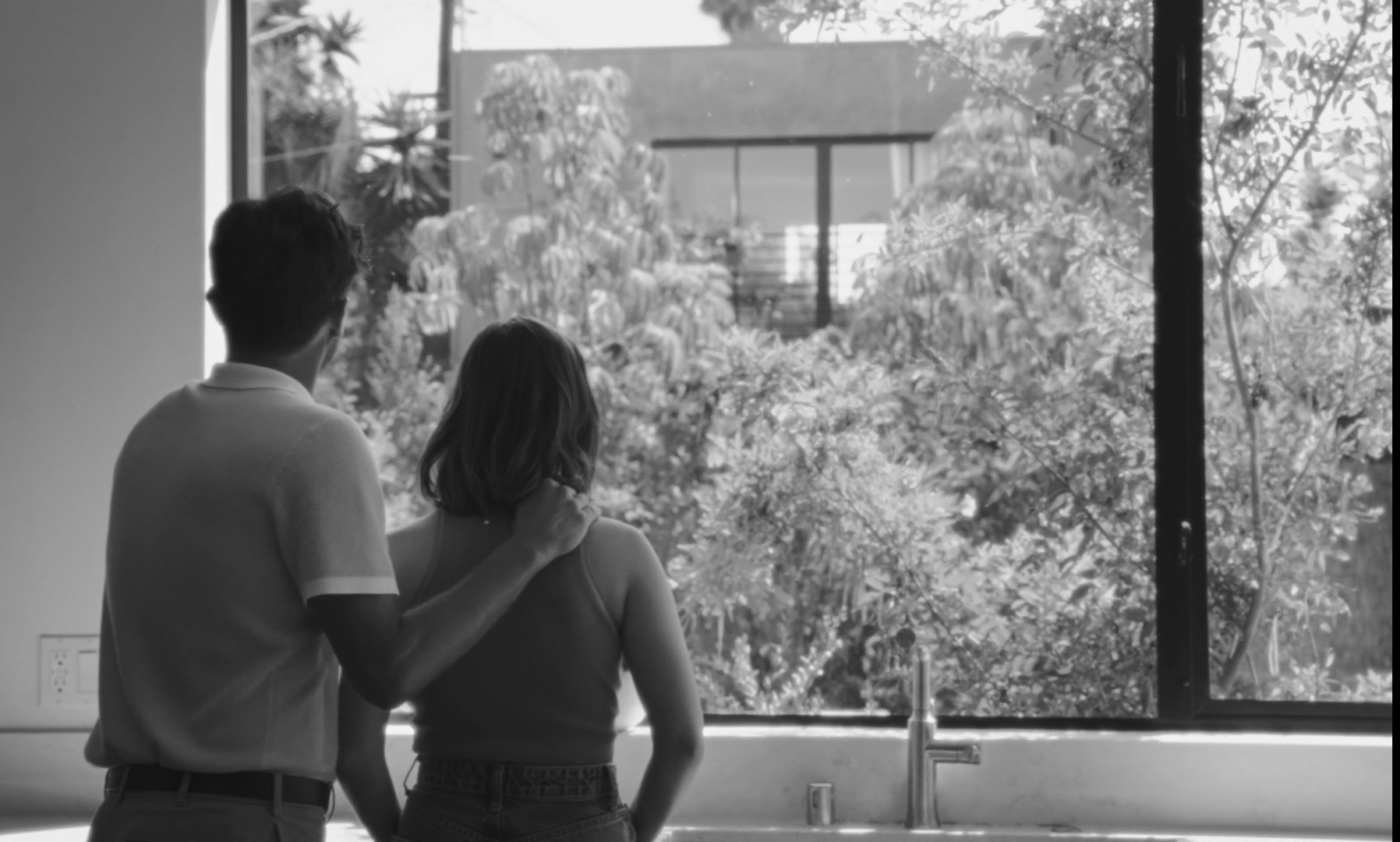
The Appraisal (Gina Hackett)
As an exercise in staging, this is often more interesting than it’s not. The takes are long, the blocking is somewhat complex, and the actors feed off the challenge. But the failure is one of writing. As soon as the couple fighting is introduced in the other house, it becomes a waiting game – when will they introduce it again? When will they explain it again? As a narrative echo, the figure of the couple next door is an interesting suggestion. But once it’s made concrete, once the film explains its device, the interest is gone. As the great Róisín Murphy once sang, don’t speak out every meaning.

ATM (Oolluo Tseng)
Stop-motion animation with the premise of a character suddenly being able to access infinite amounts of cash from the ATM. The setup is mostly static, as befits a one-man animation operation, with the small changes in the staging of that ATM being the primary form of advancing the story. And the black and white seems to be there simply to be moved away from in the final shot, an ambiguous gesture in red. Matt Groening gets a shoutout in the credits. Maybe the most interesting thing here.
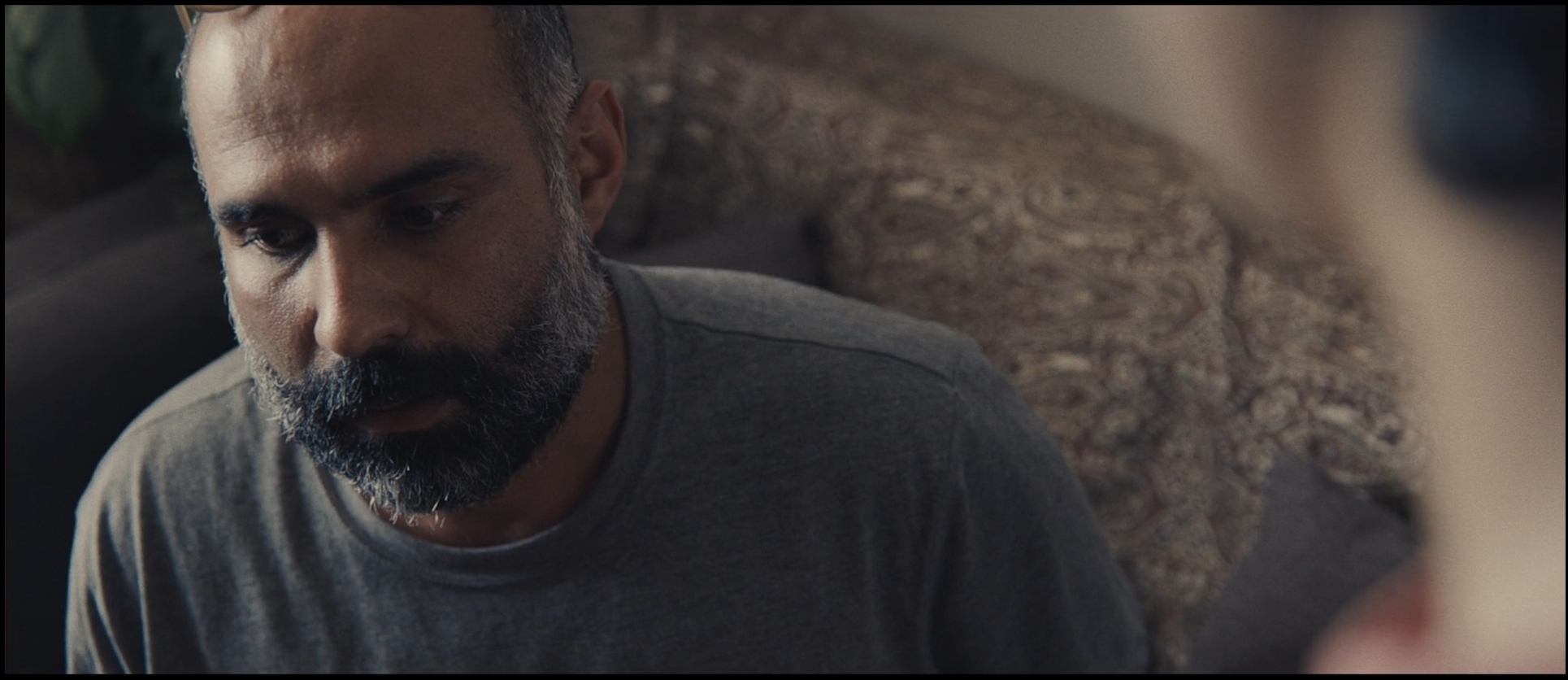
Baba (Anya Chirkova + Meran Ismailsoy)
Fresh off its Sundance premiere comes this complete catastrophe. An idea of drama is advanced here where hysterics are encouraged, the handheld camera up close to the faces of the characters, each gesture becoming more ridiculous (when the guy takes the painting and threatens the son, licking his face, you know you’ve left reality behind). So if reality is not what the film is after, then what’s going on here. The filmmakers reference the Safdies, but the key aspect of their cinema, a propulsive editing which barrels through the scenario, not leaving time to reflect the devastation the characters leave behind, is nowhere to be found. We’re stuck in this apartment, people yelling, beating each other up, stabbing each other in the back. Like the main character, each reversal is quite shameless. But there’s nothing beyond this. Like the main character’s son, we also want to slap this thing.

Baby Proof (David Maddox + David Blood)
A representative of that vaunted genre, the film with a baby. The ingenuity of the filmmakers in catching the performance, with the varied camera setups, loud catchy music – well, it’s what you think. The film is a series of variations on the basic idea of the baby getting into trouble while the parents baby proof their home. Amusing enough. The final joke has to be discussed, however. This is a home in Texas. This is a white family. They have a gun. In what is ostensibly a comedy we see an image of a baby placing a gun into their mouth, like a toy. And when the understandably panicked parents try to wrestle the gun away from the baby, the digitally altered mouth of the baby says, “second amendment.” The parents agree and give the baby back the gun. The film is over. A comedy can go many places, give us many images, and they can become acceptable within the context of the world, its logic – but there has to be room to explore the image and its meaning. Acting as a punchline at the end of this innocuous short, all we are left is the horror of the world we live in, its irrevocable reality, unable to develop, unable to grow and find its humor.

Bellybutton (Hilary Eden)
Very heavy on the Y2K signifiers, almost too much. But the immersion into the teenager girl’s efforts to experiment and carve out an identity is impressive (and terrifying). The film does take dramatic shortcuts, such as eliding the confrontation of the father (adults are never glimpsed, except the guy who does the piercing), and that terrible cliché of the final scream, but it does not totally sink it. The film’s most interesting formal gambit is when the girl seems finally fulfilled and admiring her piercing and her newfound confidence and the screen fills up with smiley faces and flowers and other ephemera.
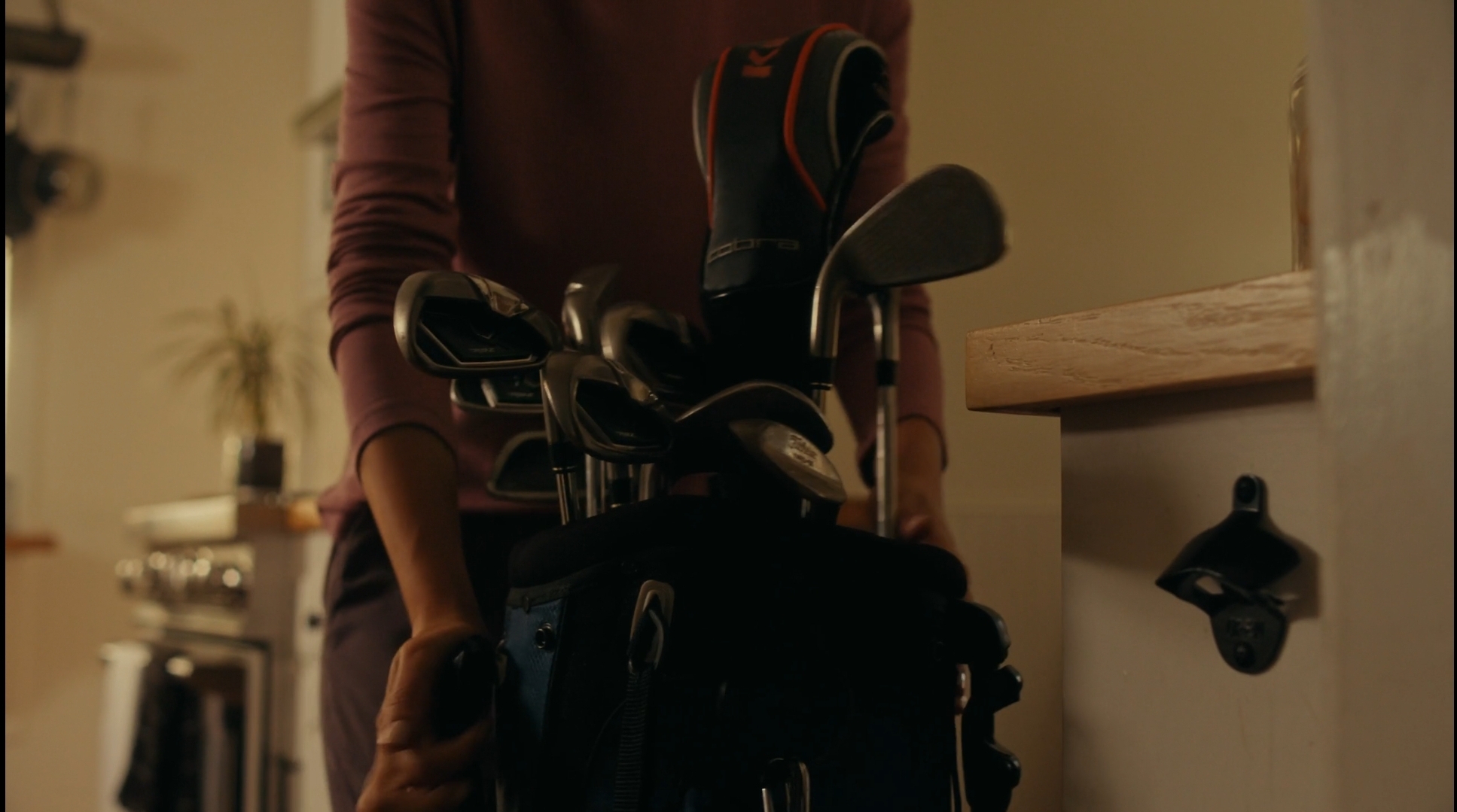
The Buyers (Felicia Manning)
Brings up many ideas and suggestions, but doesn’t really do anything with them. The spectre of violence is always present, but the film can’t quite imagine anything beyond it – the film ends before seeing the repercussions of its violence play out, a trick I’ve seen many shorts pull, arriving at a decisive and explosive moment before cutting to the credits.
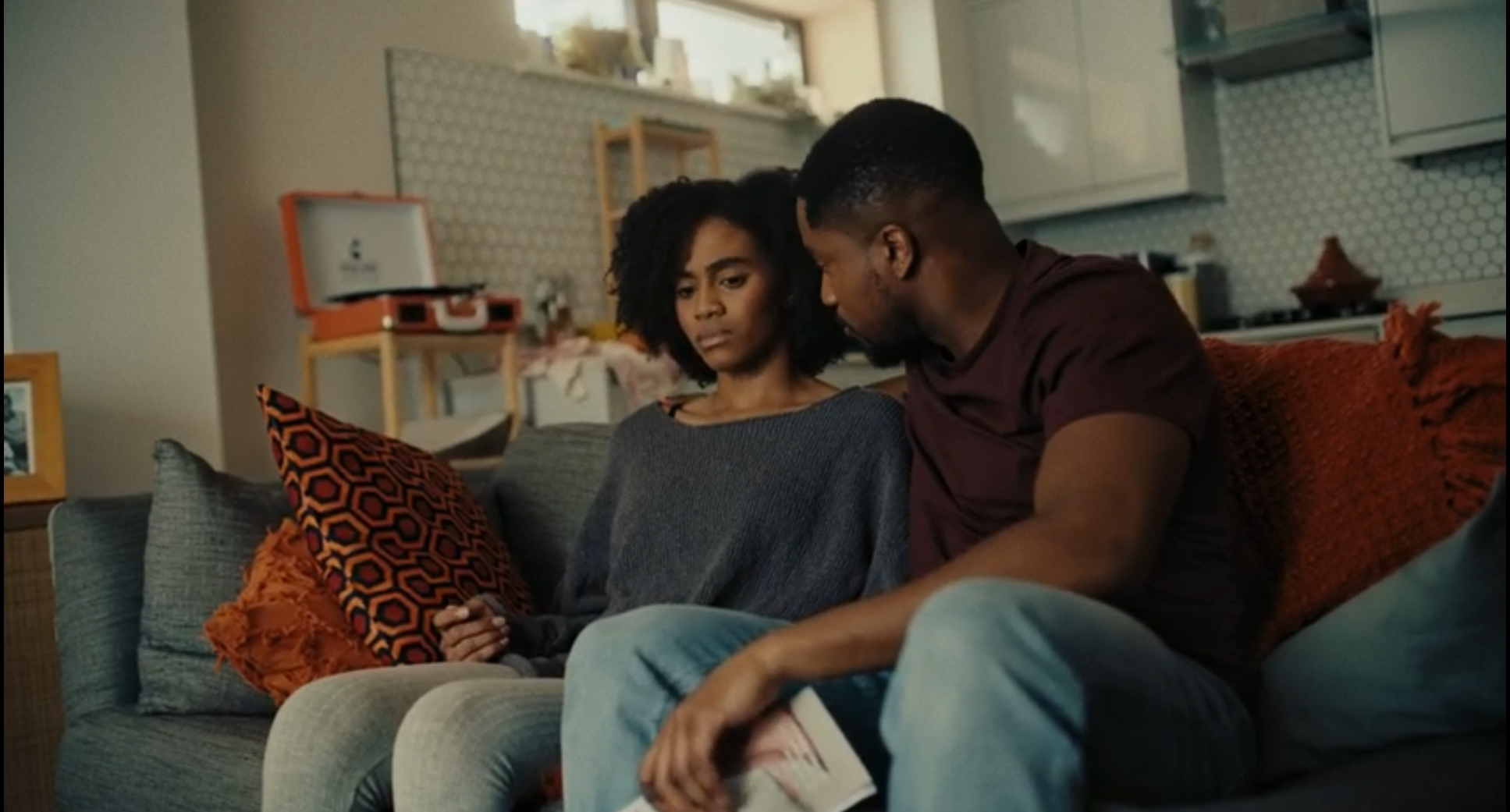
Can’t Let You Go (Walid Said)
We are stuck inside an apartment, exploring the contours of a relationship. In this case, a possessive, deranged one, where the guy tracks his girlfriend’s periods, pokes holes in his condoms, and will break down in tears in order to get the girl to stay. Everything is somewhat obvious and blunt, but the film does allow for moments of tenderness and joy – the attraction between two people. It’s there in the little dance they have, or in the hunger of their kisses. I think this is necessary, to avoid a certain miserabilism, to play more notes. The problem is, as most of the time, one of mise en scène – the dance scene has too many cuts, rendering the movement of the bodies all choppy, and the push-pull between the bodies, the actors, is not effectively worked through.

The Cocoon (David Shen Miller)
Such aggressive foley work, sound design. The sound, the music is overwhelming. It’s as if the filmmakers do not trust the basic thrust of their storytelling so they resolve to spruce it up with all these little tricks and effects. Anyway, this is about art or something.

Death and Ramen (Tiger Ji)
Sometimes when watching these shorts, you get the feeling that this director is, as Pedro Costa once put it, “seduced by the idea of making films.” They hire recognizable TV actors, have them act out ridiculous gestures, like the pinky promises and, chase agreeable, professional images – and none of it matters. Whatever pain and suffering his characters pay lip service to remains nothing more than a suggestion; any recognizable human element is simply an affectation.
Eid Mubarak (Mahnoor Euceph)
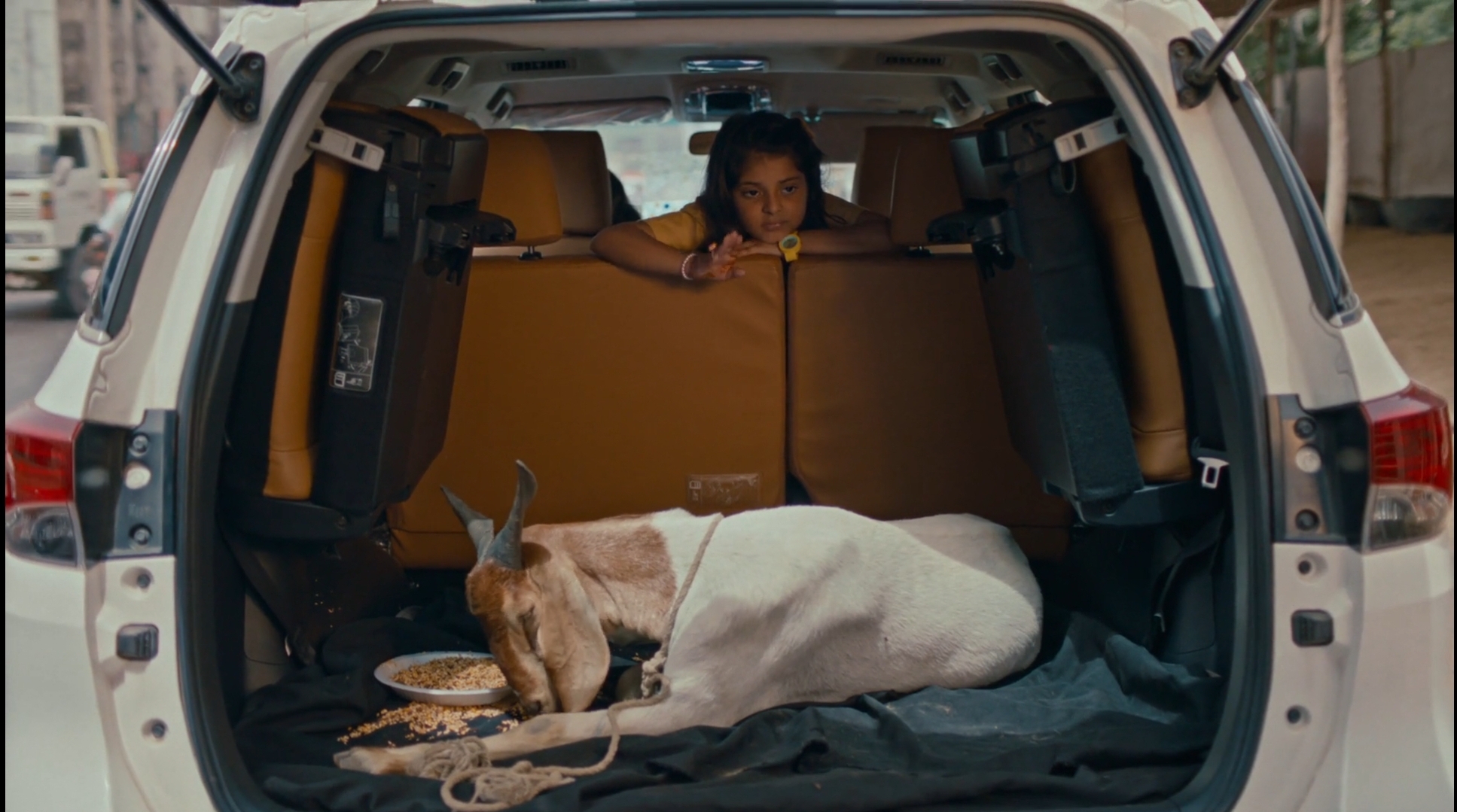
Throughout the film I couldn’t help wonder what the Iranian version of this would look like, made in the 80’s or 90’s. There’s much to recommend here, sure, but it struck me as a tad too cute, too neat, not allowing for any sort of mystery of behavior…

Fetch! (Carlos Garcia Jr.)
There’s an idea in the contemporary film landscape that the quickest way to get recognized and get the opportunity to make features is through horror. Perhaps this is true. There is a certain path, a foundation, that has been laid down over the last 10 years, the Blumhouse years if you will, that somewhat bears this out. I think one sees the ambition here to marry the comedy to an idea of horror, but this truly remains simply an “idea,” not a horror that’s justified, necessary. And even when there is violence, the blood and guts are simply a prop, a bit of set design, rather than anything that registers as real. But perhaps that’s the point – whatever horror there is here, whatever violence, should never disrupt the viewer’s good time, it should never truly upset. And this kind of idea of horror I have no time for.
The Foundry (Robert Machoian)
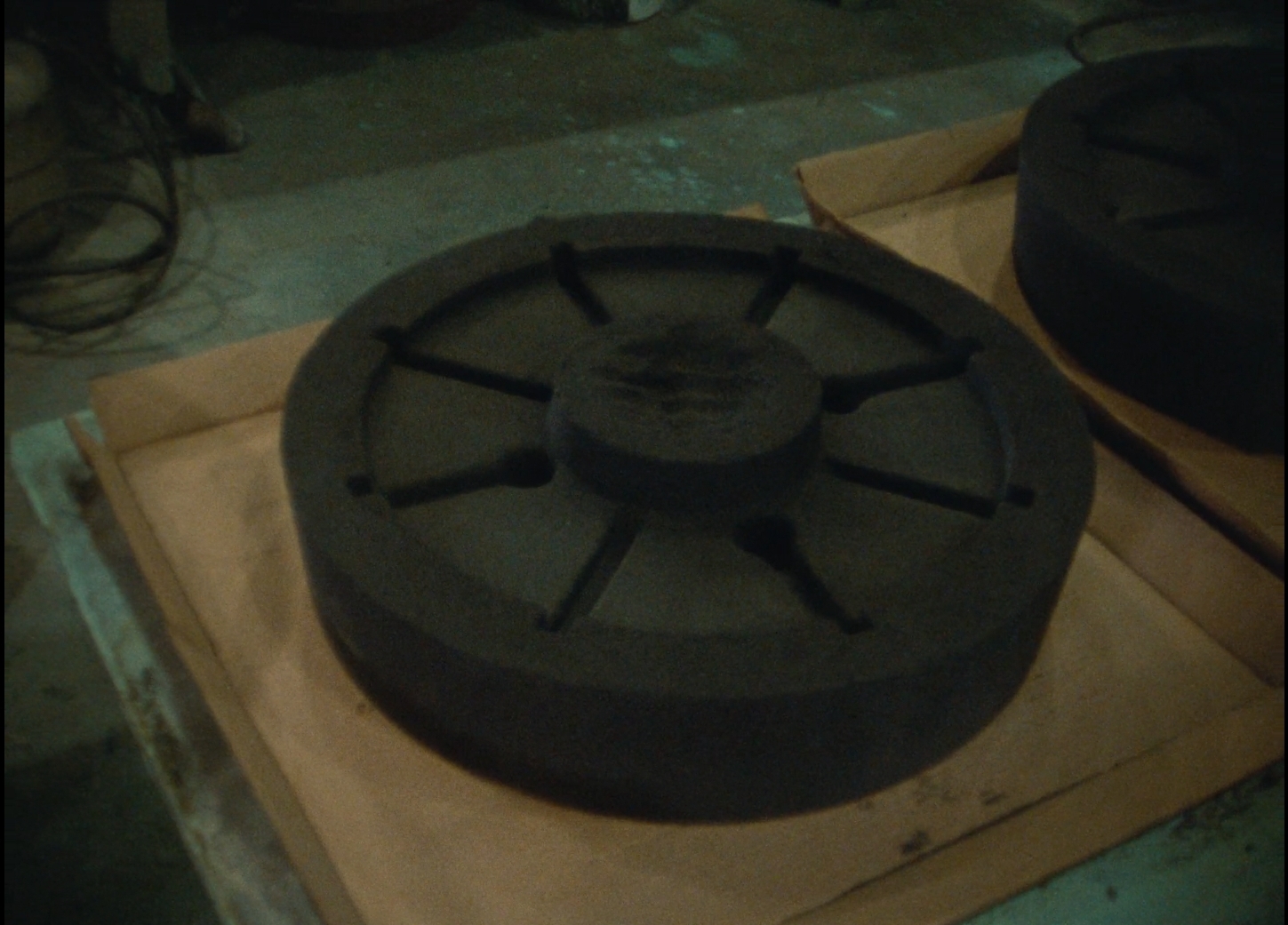
Sometimes we start to wonder if there’s a 16mm fetishism when it comes to films like this – would it be received the same way if the images were captured in crisp 4K? Compared to the Machoian’s previous short, The Last Days of August (selected by DIFF in 2022), the political voice is much more muted. But a film devoted to labor is usually always interesting because it returns images to our screens which have been rendered invisible. And the texture of the 16mm is pleasurable, just by itself, and the film becomes attractive simply for the way the light feels, or due to the instability of the montage, always jumping from image to image.

Fuck Me, Richard (Lucy Elizabeth McKendrick + Charles Polinger)
SXSW world premiere. Perhaps there should be a moratorium on films ending with their main characters dancing. It’s a gesture that’s painfully abused at this point. Which is a shame, because this film is quite interesting otherwise. Part of the attraction of the film is the main character’s quest for erotic abandon – even as she is potentially being scammed, she puts that to the side in order to live in the imaginary, even if just for a little longer. We start to wonder… what’s worse for this character? Losing all this money, or losing the source of her fantasy? The film’s key reference is Brief Encounter – as she swipes through dating apps, pictures of her would-be partners are reflected in her eye, already become fantasy, already doomed to end. At the end of the day, how you get fucked is up to you.

Funny Face (Jude Hope Harris)
Another SXSW short. Zero ideas of mise en scene instead relying on the stock types at play. The short promises a meeting point for these various characters, exploring their personalities and seeing how they crash against each other. But there’s no interiority – the bigoted nurse is exhausted, the supportive older brother just wants to play his guitar, the girlfriend wants to do all she can… But each conflict is exactly the one you’d expect, and there’s simply no mystery to these characters. More than anything else, I was reminded of those syrupy montages that usually show up near the end of ABC dramas, like Grey’s Anatomy or The Good Doctor, where everyone neatly learns lesson. Just very far away from cinema.

Green Water (Carlos Estrada)
Part of the reason why this short is effective is that it foregrounds its main character’s selfishness. The main character desperately does not want to give up his ambitions, to accept that his life is irreparably changed, and he looks for ways to shirk his newfound responsibility. One of the worst things about many of these shorts is that all the shortcuts they take when it comes to character. Rather than simply registering a body, taking it in, and seeing its gestures, the filmmakers look for traits to illustrate. With a film that’s on a political subject matter, such as ICE raids as this one, these shortcuts spell doom for any type of nuance, any type of humanity. They look for villains – witness the scene where he realizes the white guy is the one who probably called ICE – and see almost all nuance fly out the window. But they usually reserve this for smaller moments, smaller characters.
Grey Horse (Emil Lozada)
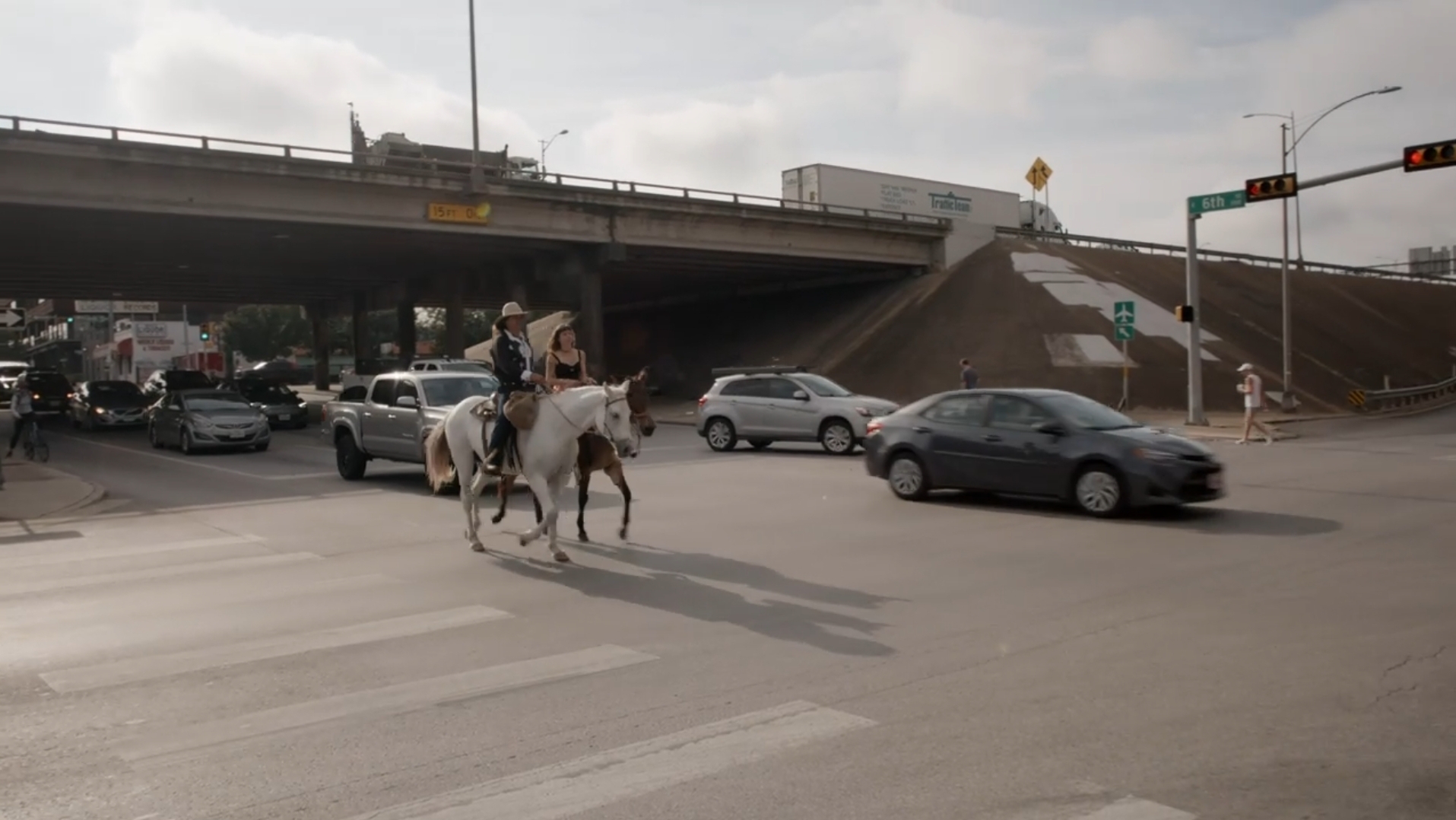
Somewhat unfocused documentary portrait of a colorful Austin figure who’s often seen with horses riding in the streets. The film looks into his background, his indigenous roots, and the accident that landed him in a coma. He’s an interesting presence, but there’s almost no real critical perspective on him – as if the filmmaker said to themselves that simply portraying him would be enough. You have to invent something!
Hangman (Megan Brotherton)
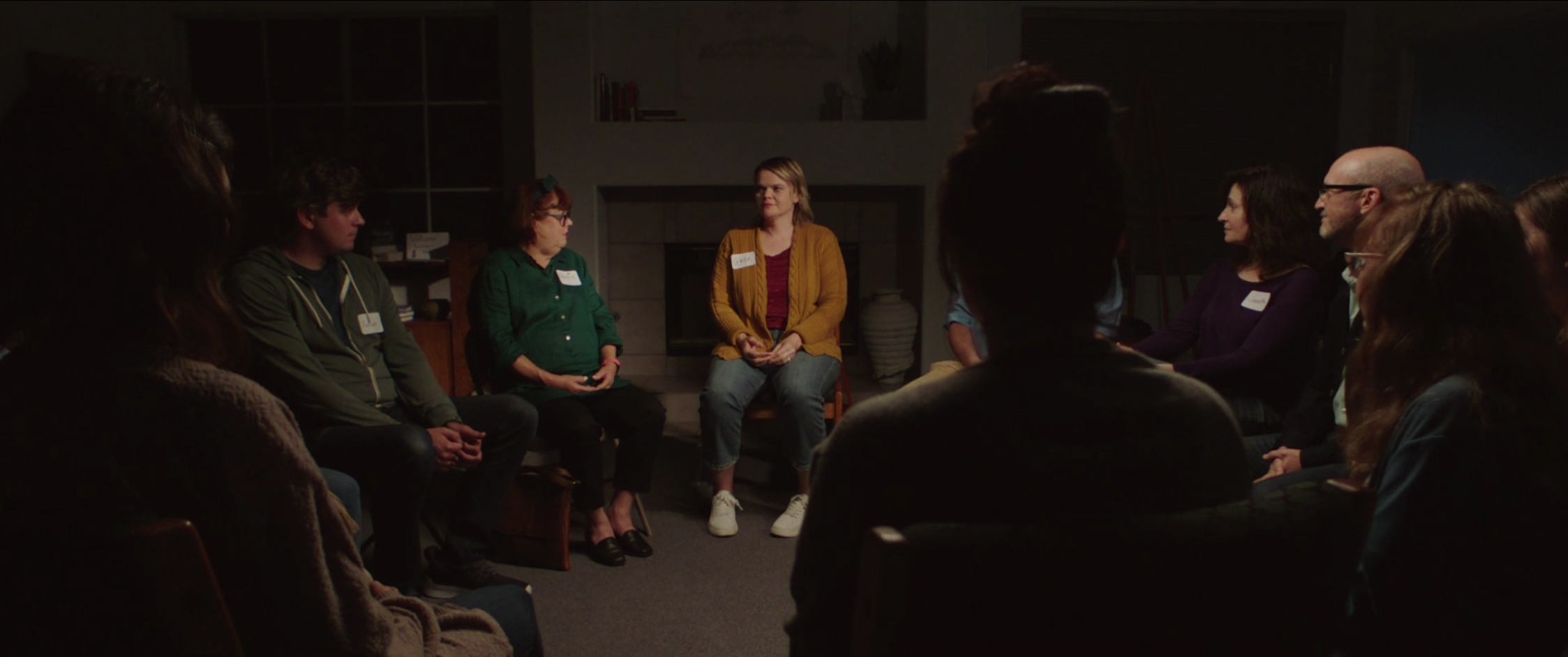
In order to get noticed, filmmakers often will present images which are over-the-top and shocking. This short film’s pitch, if you will, is that the grieving woman at its center is always confronted with the image of her husband’s hanging body wherever she goes, represented here by a swinging legs and torso – while she’s driving her car, at the grocery store, everywhere. It’s a grim, somewhat humorous image, but the film doesn’t evolve beyond this blunt depiction of grief. It’s all concept.

How Do We Leave (Karoline Xu)
Remarkably ambient in its effects, emphasizing the mundane aspects of its story. The film doesn’t overly dramatize or sensationalize what happens. Instead it just seeks to immerse us into the rhythms of this particular family, the way they talk, how they communicate, their dynamic. When the father spanks the girl, the film doesn’t quite judge, no, it moves beyond that to try to understand the contours of their relationship, how the private and public personas of each are negotiated.

How to Make a Ghost (Jared Hogan)
It wouldn’t surprise me if in a few years Jared Hogan directed a feature horror that got some traction, or at least some television. There’s some impressive control here; formally, sure, but also tonally. The most notable elements are the sudden cuts to the color red, with the music blaring, as if the horrors could not be represented any other way. But there’s just not a lot of places the film can go. Once the main character is washing the car at film’s end, all the film has left is its cynicism, its violence. Perhaps that’s the point. But such ruthless execution of a plan doesn’t mean much to me.
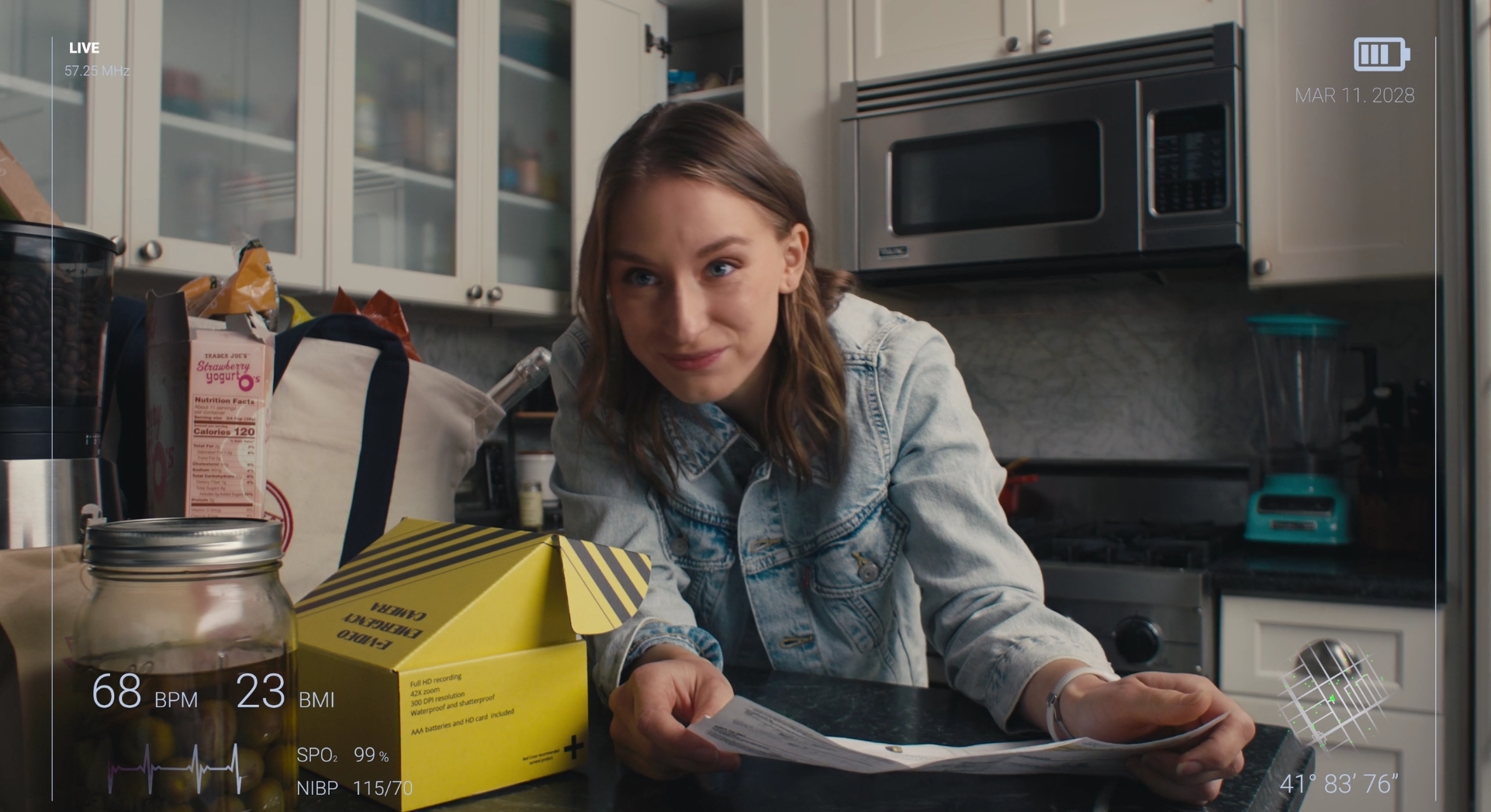
How to Meal Prep During a Famine (Lindsey Ruggles)
How to make a one-person short? Make the framing device a vlog, of course! The film will rely on one actor, the framing will potentially be reduced to a few controllable elements, the set design becomes extra important. But, of course, logically, the vlog setup can only take you so far, and there might not be an ingenious way to see it through the entire running time of the film. The writing and the acting is meant to sell this, but all of it is just a suggestion – any violence is left offscreen, a cute little joke.
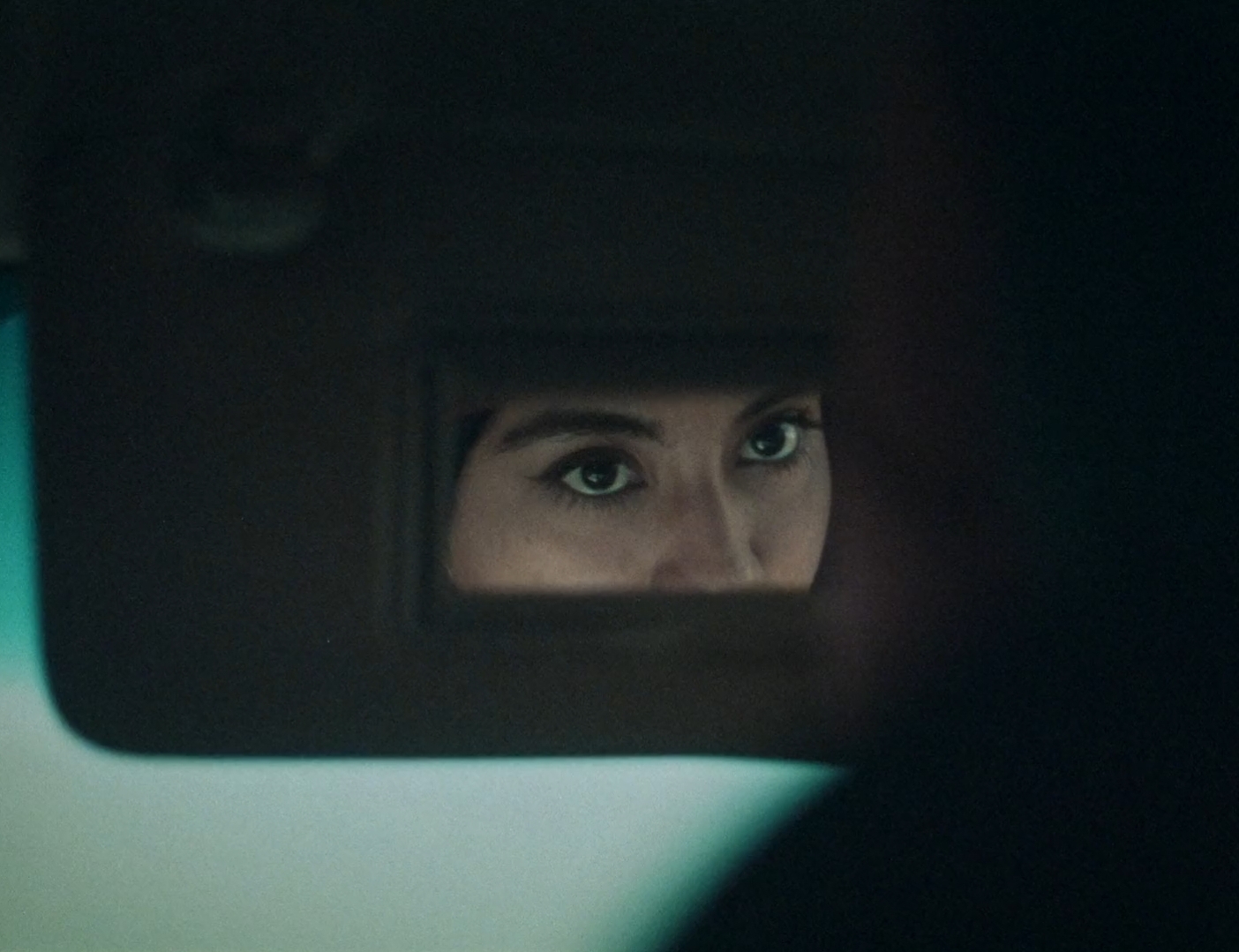
I Have No Tears and I Must Cry (Luis Fernando Puente)
The main performance by Alejandra Herrera is fantastic. But the film lets her down. Like we spoke earlier about Green Water, there is a closeup here of the white immigration worker, when it becomes clear that things are not going to go well, that makes everything shift. It belongs to a film several leagues worse than this one. It betrays the spirit of the film. The bureaucracy of the green card process is dehumanizing, of course, but the filmmaker must still preserve the humanity of what he sees. When watching this film I also wondered about the use of closeups – is it easier to suggest a lived-in world by using these locked down closeups? You don’t have to dress up a full room, at least not as much, and add in some background sounds in the edit, and all of a sudden you have a fully functioning immigration office. It can be a fruitful strategy if your actors are good, but I can’t help but wonder what else we’re leaving on the table.
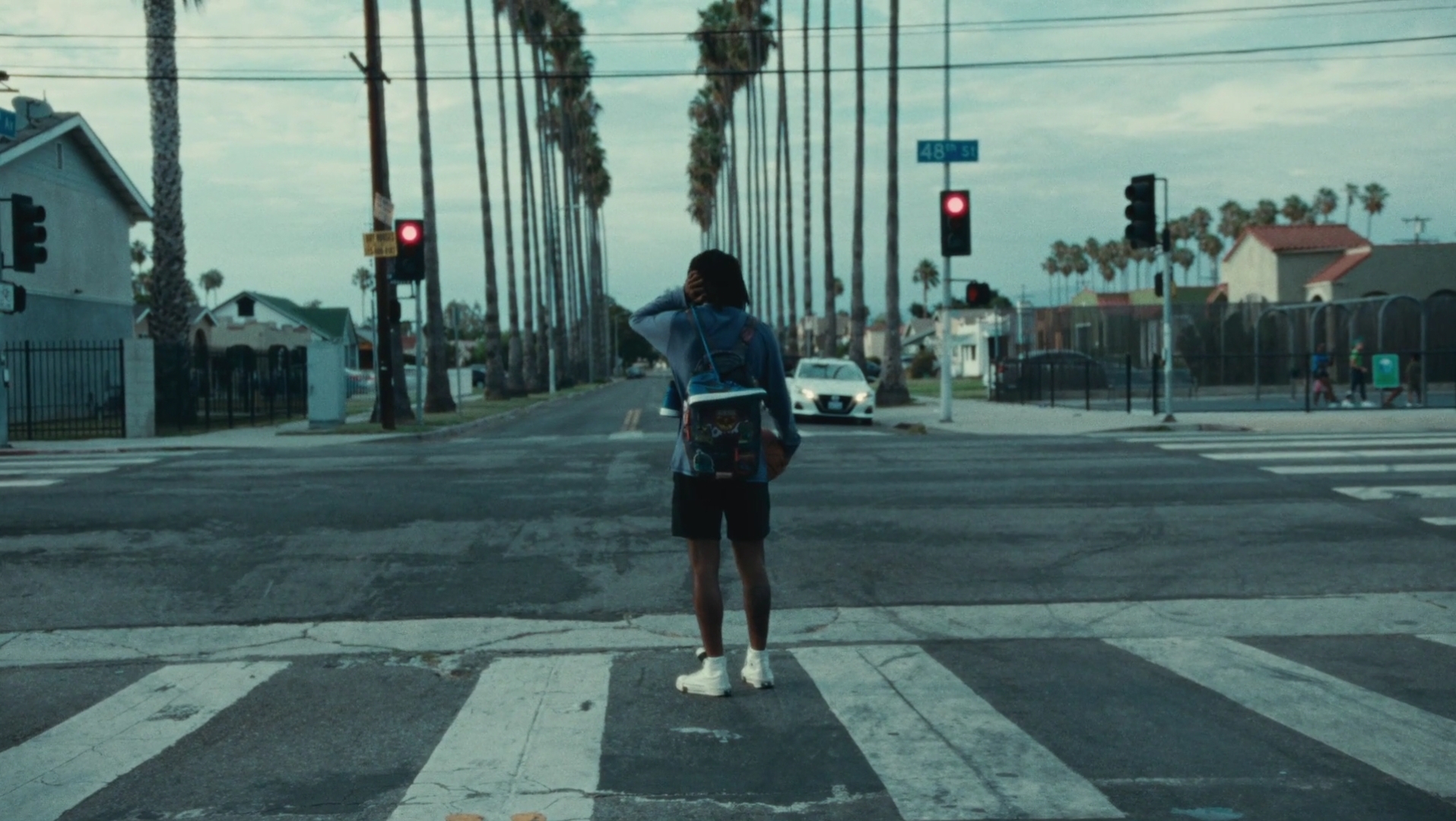
Jerome (Gianfranco Fernandez-Ruiz)
The crisis of masculinity is everywhere here, as the young protagonist feels at loss without the presence of his father in his life. All well and good, but there’s nothing but stock images here. Early on there is a shot of a pair of sneakers hanging on a power line and by film’s end, there is another one. These type of gestures are pre-digested. Surely these characters deserve more than these type of pat resolutions.
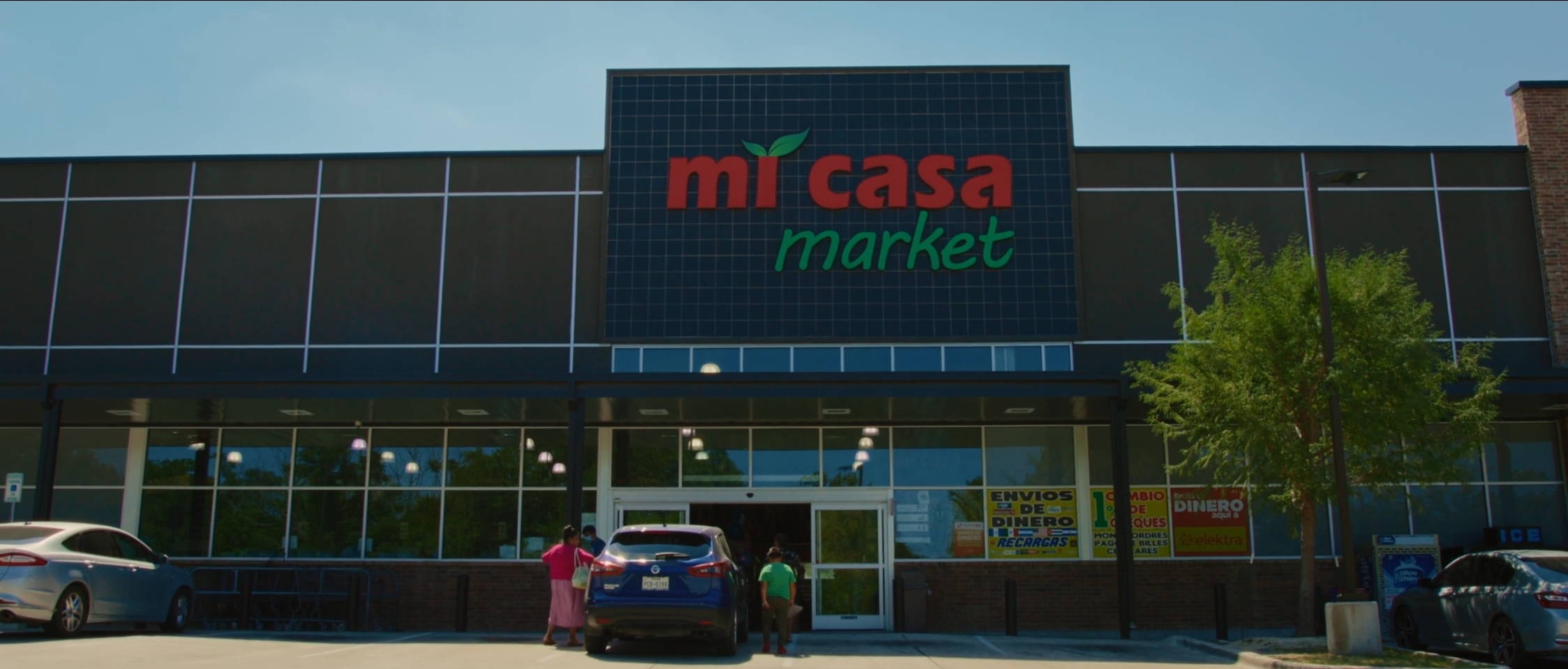
La Cosecha (Samuel Díaz Fernández)
Another film from SXSW, a documentary short about an Austin program where people who live in food deserts can receive vegetables and other healthy food from a local farm. There’s a focus on a particular woman who joins the program and feels good about being able to drive and deliver the food. And she also talks about the passing on the tradition of growing their own food to her son. There’s very little rigor to its images, to its analysis. It’s never anything more than fine.

Lǎo Lao Lǎo Le (Julie Zhu)
When we tackle subjects such as these, the progressive frailty and dementia of the elderly, a lot of care should be taken to avoid all the traps and minefields that abound. I don’t know that this film gets around them all too gracefully. That said, the young actor at the heart of it is impressive and believable.
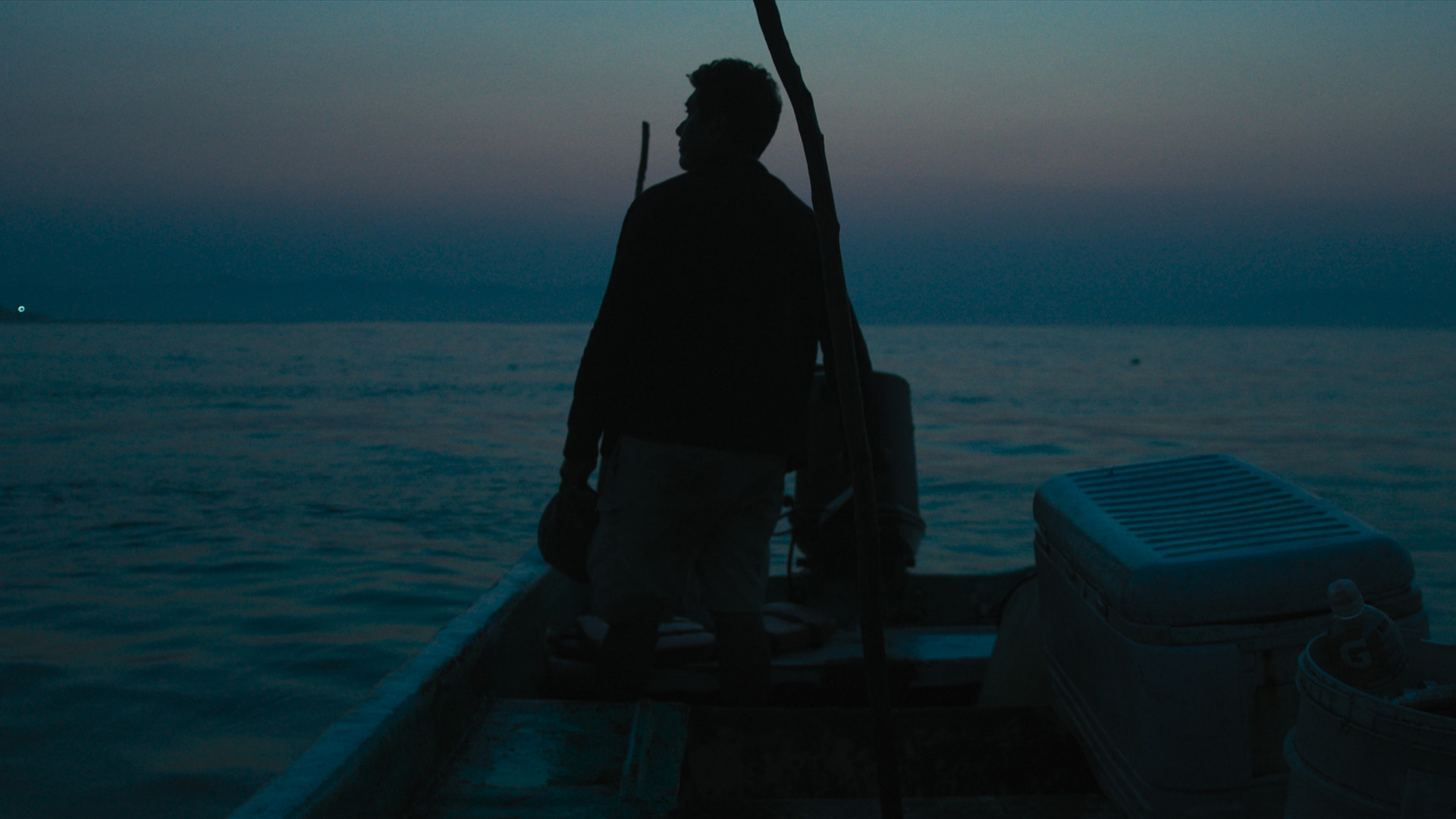
Men of Salt (Luis Armando Sosa Gil)
Very professional images, courtesy of the National Geographic partnership, but not too interesting overall. The ethnographic bent is tried and true, the approach is pretty standard – poetic imagery of the sea, the fishermen at work, while voiceover advances the portrait. The young man is ambivalent about the work of his father, their life, and sees no real future in it. The pollution of the waters make their work harder and, of course, there is no end to this… Again, very safe, very standard. But I wish there was something a little riskier in its approach.
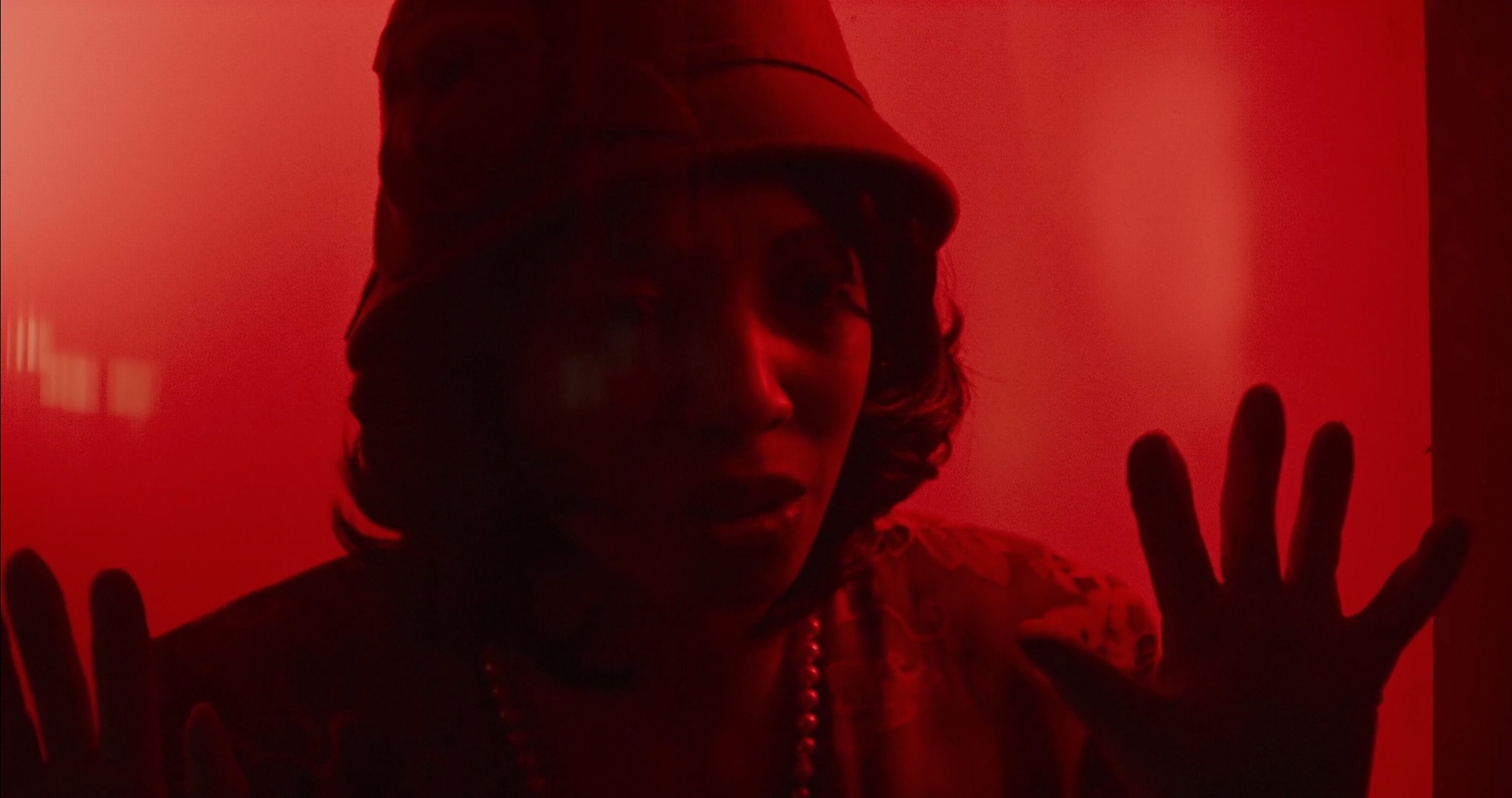
Meta Care (Jerod B. Couch)
Maybe the grand problem with American independent filmmaking is the curse of screenwriting. Concepts and schemas override the act of filming, the encounter between a director and a performer… instead it feels like the directors are auditioning to direct television episodes… there’s no shame in that, I suppose. But it does not interest me.
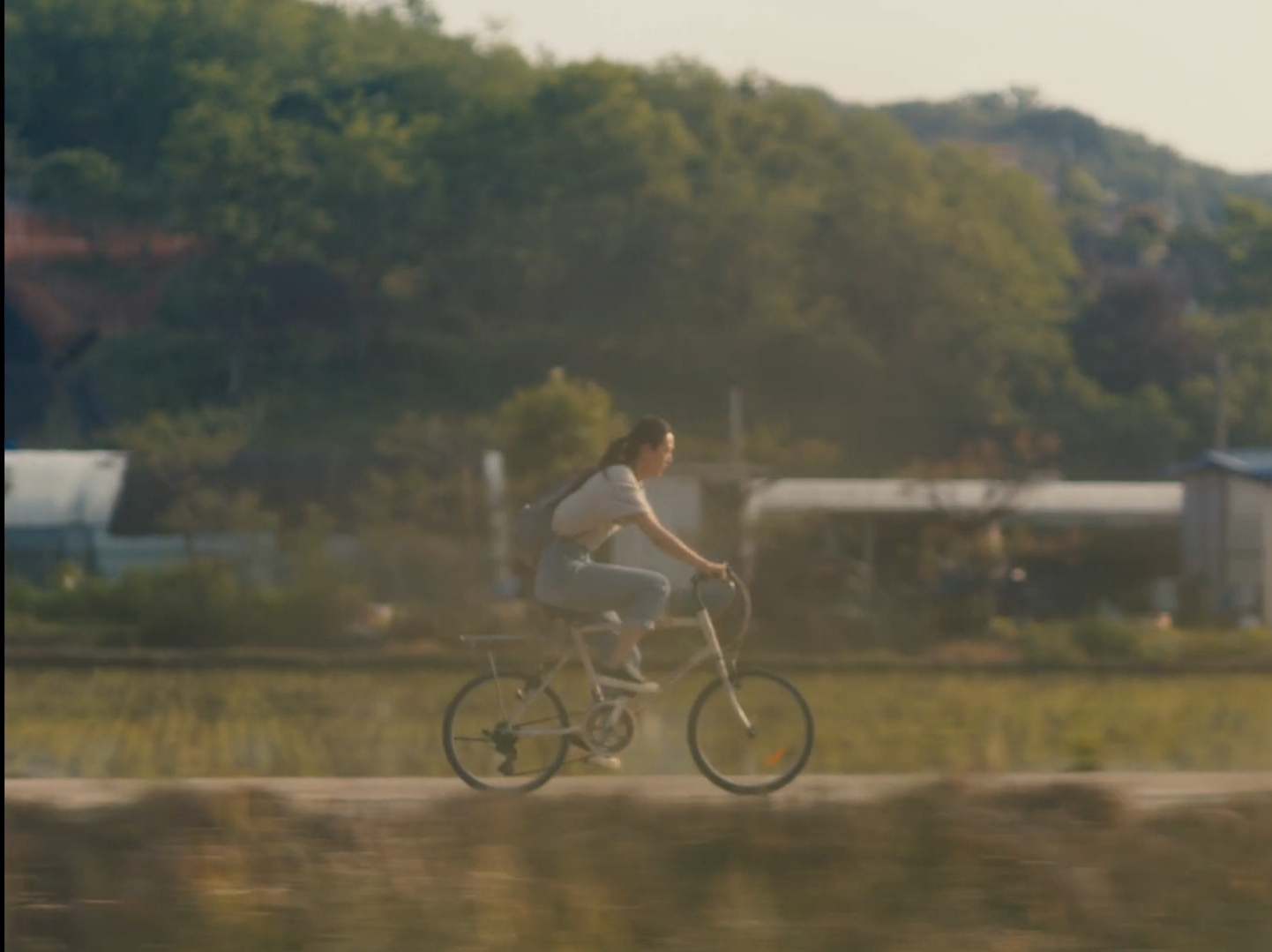
Motherland (Christina Yoon)
There’s a real restraint in the melodrama. There’s some narrative choices that are not necessary (the entire bit at the adoption center is contrived), but it moves forward with a nice intensity. Because the main character is something of a cipher, her entire search is fraught with meaning. It becomes an abstract experience – many things are suggested and the explanations are unsatisfactory. Everything boils down to a gesture, reaching a point, inconclusive and leading to nothing. The film knows its limit and reaches it.
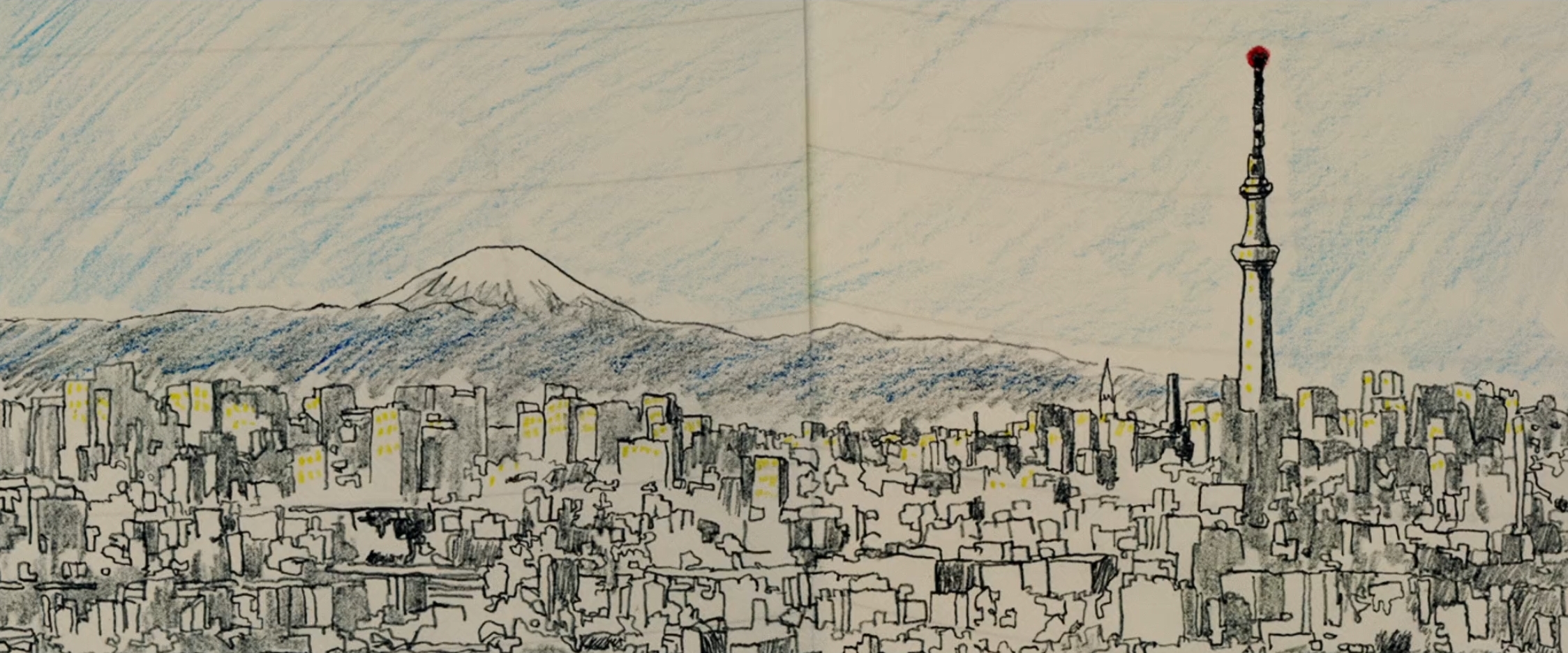
The Old Young Crow (Liam LoPinto)
I was very excited by the animation at first – a refreshingly handmade thing, where you can see the strokes of the drawings, and the hand behind it. But the mix between live-action and animation doesn’t quite work for me, as the animation goes away from the parts that I found refreshing toward something a little more professional. And the story, a somewhat cliched and exoticized tale of a young Iranian boy in Japan, hanging out in a cemetery, goes exactly where you expect it.

Our Males and Females (Ahmad Alyaseer)
I’m of two minds about this. To highlight the conditions of the transgender in the Arab world, this seems to me a worthy goal. But the transgender daughter in this film is a corpse, a body on the table. The film focuses on her family, and the dilemma they face when nobody will perform the washing ritual on her. The drama is not then about the transgender experience, but rather about its effect on the traditional family (always mourning the loss of who they knew…). And this drama of loss is centered on an absolutely brutal defilement of the girl’s body. Dramatically, all of this makes sense. You could say that it works, as it’s emotionally effective. But conceptually it is hard to deal with. I think there are many ways to make films that deal with the transgender experience, but this one doesn’t do that… It also brings up one of those questions on the morality of certain images. Just because you can film something, it doesn’t mean that you should. I think the filmmaking tries to be respectful and maintain a certain distance (due to the nature of the subject), but this is something that is hard to judge, and always get right.
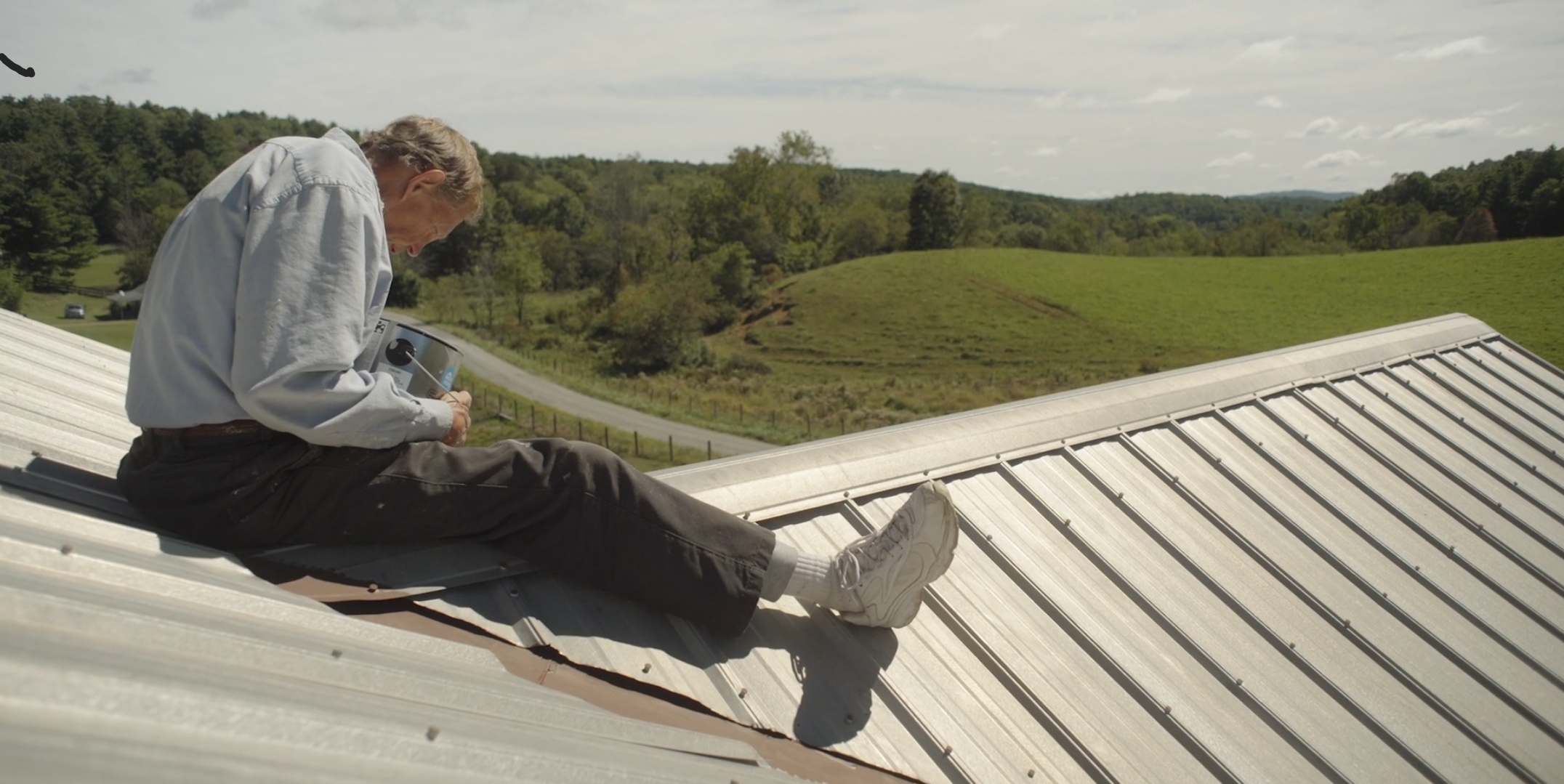
Peach Bottom (Chris Ellison)
Old guy spends all his time working on renovating his house for the sentimental reason that he wants a place that his children can return to, and so that he can pass something on to them. This is all well and good, but we wonder about the artistry behind this short, what is it after? Besides this very modest aim, I find nothing behind it.

Picture Day (Kelly Pike)
The image of the mother lying down on the bed, hating her life in the new town (only there due to the father’s army job), while her daughter plays with her pantyhose is a powerful one. There’s an interesting specificity to the daughter’s expression, the hair, the clothes – the actor’s performance is quite good. But the disappointment is that the film never quite does anything with this frustration, only expressing it momentarily, never taking it anywhere.

Plantas de los Dioses (Julieta Lozano)
These edutainment shorts are one of those things I have absolutely no use for – the animation is simply background for the monotonous voiceover with all the information.
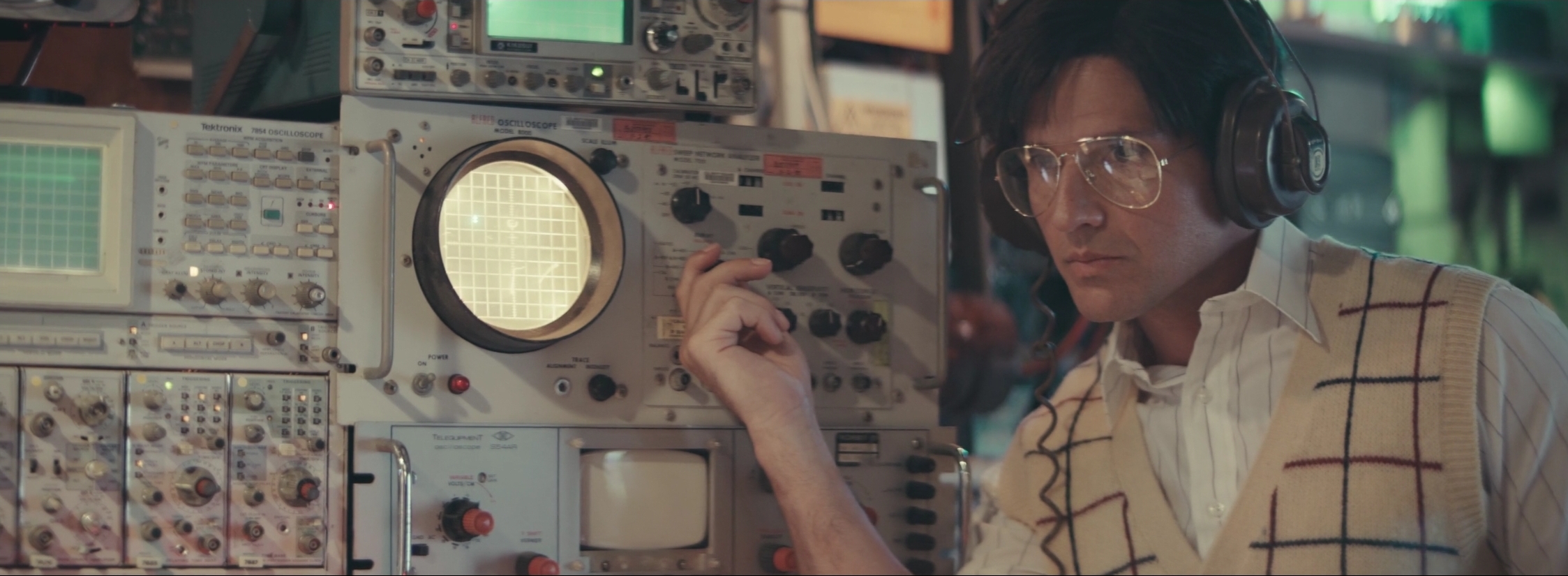
Radio Telescope (Tanner Beard)
In many of the submissions for a film festival, there are blatant signs of the amateurism of a work on display. I try not to say this derogatorily, but rather that there’s clearly maybe some obvious technical demerit (such as incorrectly exposed images, bad sound, etc.) – if the film doesn’t meet these basic things, then it stands no chance of moving forward. But let’s say that you have perfectly acceptable and crisp 4K images, that you meet this standard of professionalism that a festival is looking for, this does not necessarily mean that you advance from that designation of an amateur production to that of the serious or professional. I don’t want to tarnish the word amateur, because someone like Eric Rohmer embraced that term, when he filmed his 16mm comedies and proverbs in the 80’s – using inexperienced crews in public locations, very far away from the bigger, more complex productions he made earlier. Let’s say that instead a filmmaker’s “aptitude” is revealed in many different ways – the facility with actors, the editing, the point of view. A film like Radio Telescope has actors and special effects and production value, but it reveals itself over and over as a film that’s completely empty.
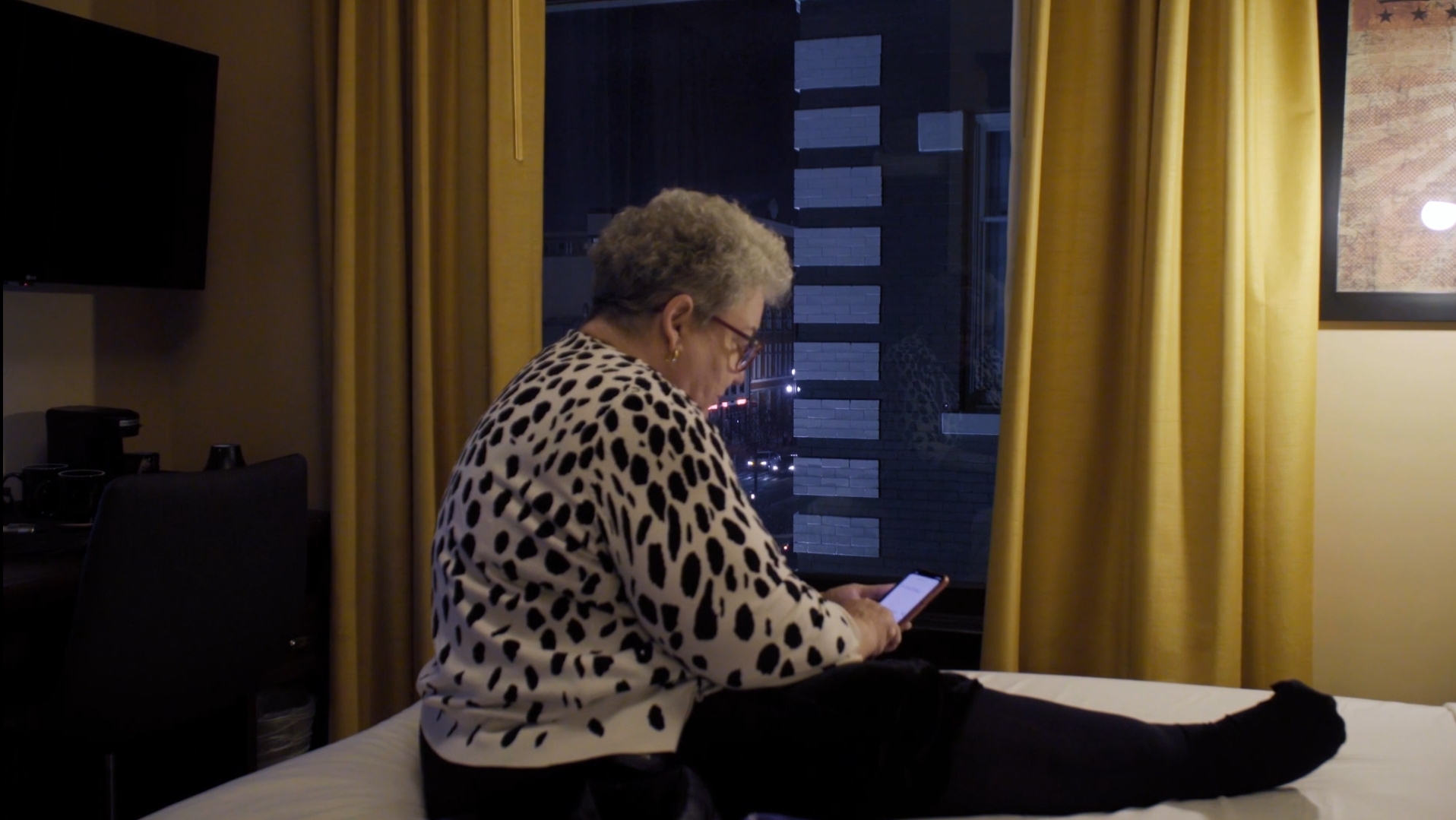
Really Good Friends (Adam Sekuler)
Sometimes a good formula is to have a simple premise and just execute it well, trying to avoid mistakes, never taking on more than what the film can handle. This film, a documentary portrait of an elderly woman’s role in a dom/sub relationship, is fairly straightforward. We see her unpack a suitcase, take out all her materials and toys, disinfect them, get dressed, etc. and then wait for the other party to get to the hotel room, all while she describes the arrangement and her feelings towards it. Everything is handled tastefully, without salaciousness, without scandal – and yet each closeup is charged with meaning, with history, with love. As she readies herself and waits on the bed, we understand that this is a love ritual.
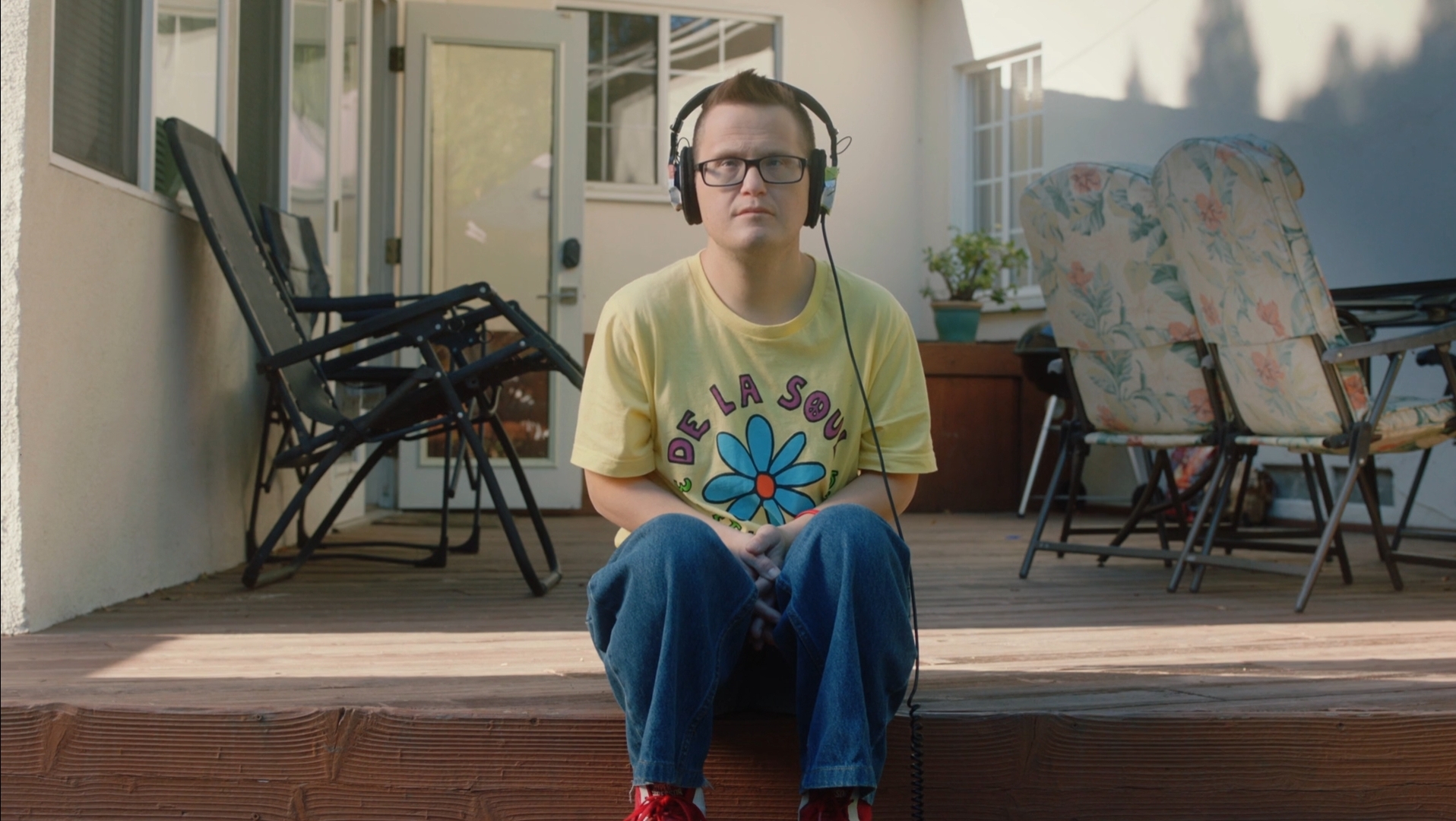
Share For Me (Alexander Georges)
A heartwarming story that really plays up the Greek roots of its characters. But there’s no idea of staging, no idea of character, that pushes it forward in a way that’s interesting… it’s just kind of bland.
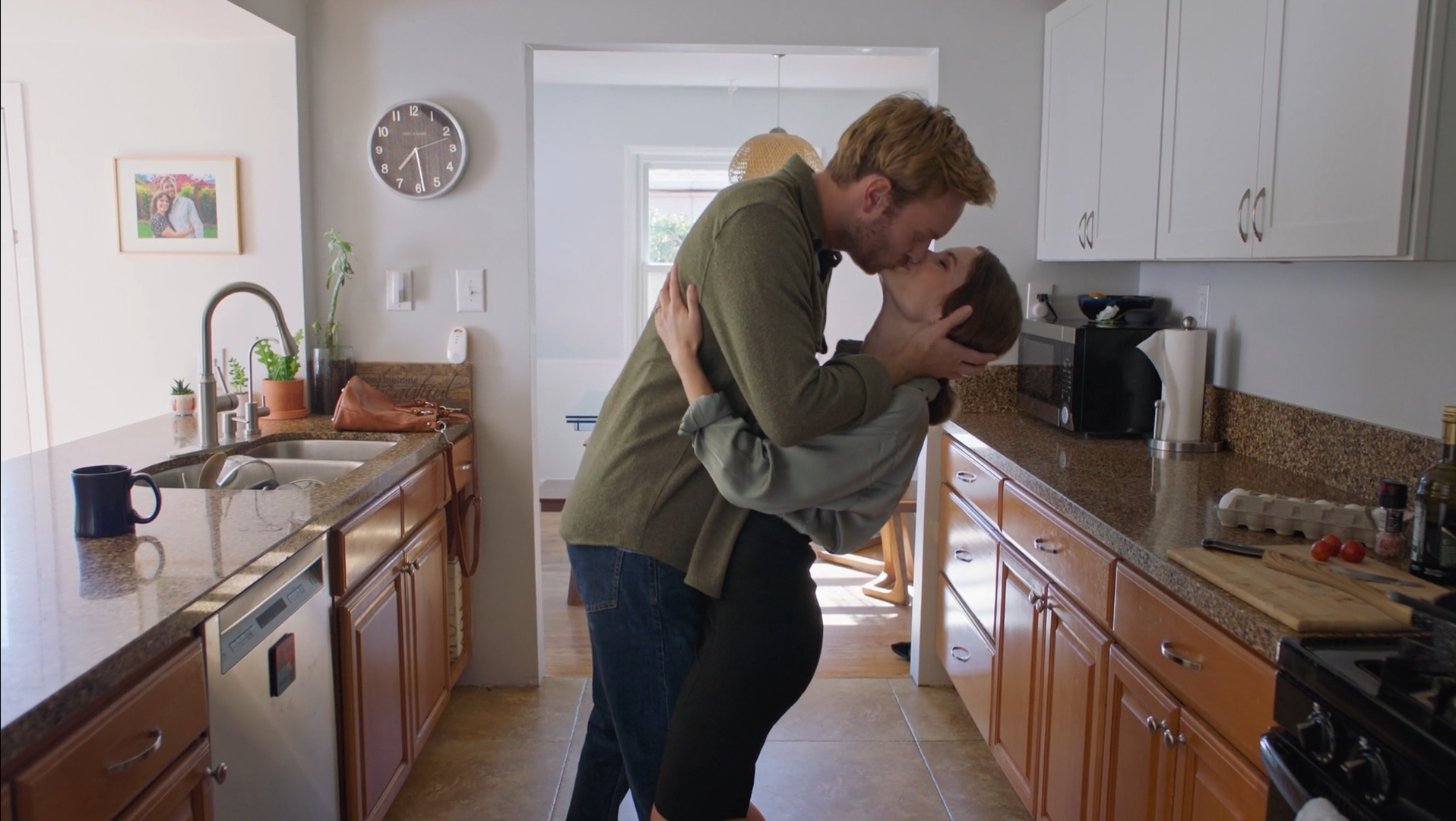
Sleep Study (Nathalie Metzger)
The producer for Jim Cummings’ films adapts some of the one-take strategies from those films to this short. It’s definitely ambitious and there’s real craft on display, but sometimes it just feels a little like a stunt – to say it more clearly, the one-take style seems to me to limit the expressive possibilities of what can be done. The brutality of the film is welcome, but it seems to me a dead end.

Starving (Bobby Louise + Brig)
Comedic short that takes advantage of the textures of the 35mm to conjure a romantic fantasy that gets quickly punctured. It’s amusing, but there’s not much to it.
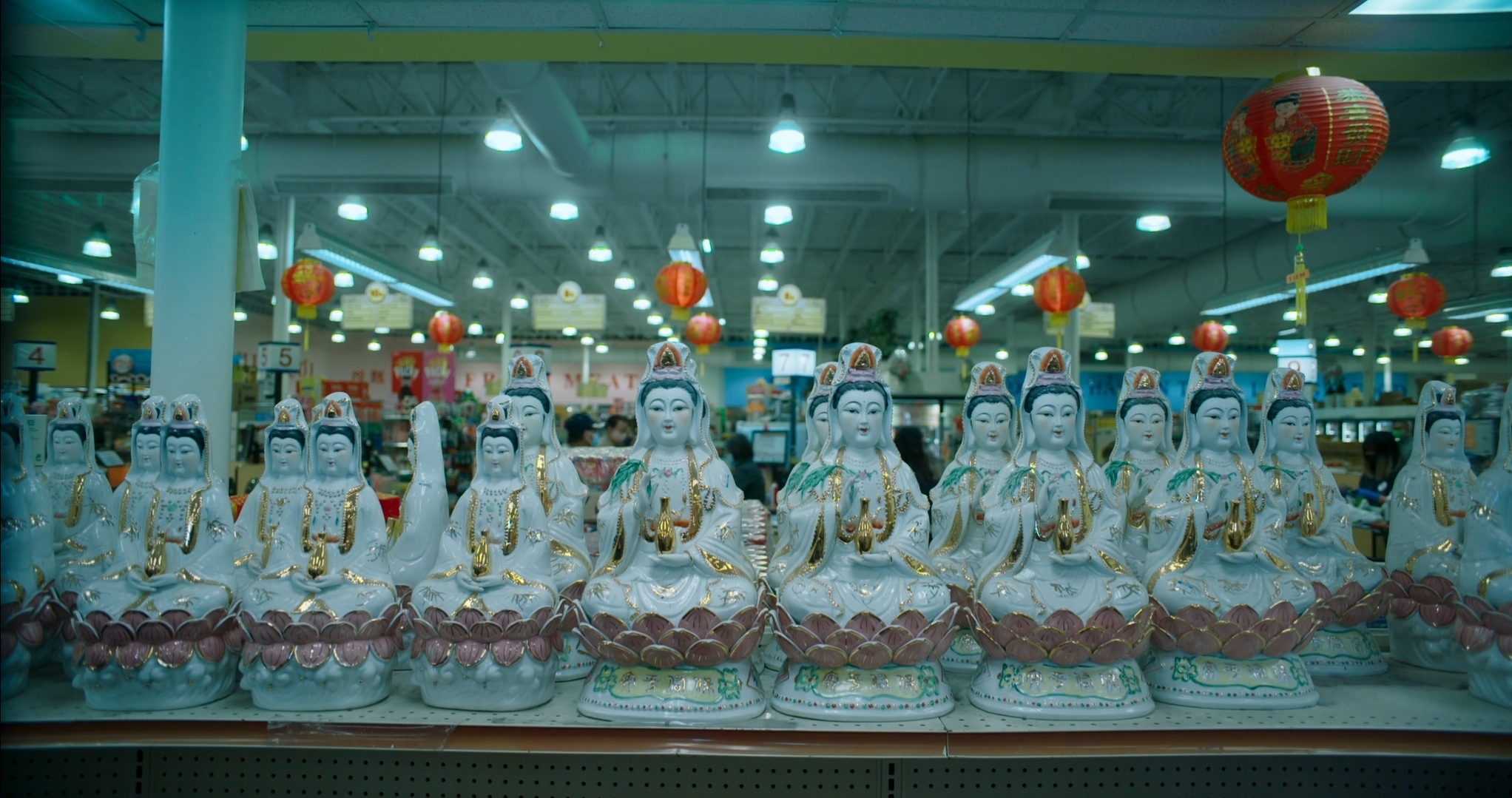
Supermarket Affairs (Hang Luong Nguyen)
The karaoke interlude is the highlight here. Beyond this formal flourish, the infatuation with the supermarket employee doesn’t really develop into anything, and the way that it coattails into the drama with the daughter is a little flimsy. It’s a little too cute and self-satisfied with acknowledging the gap between mother and daughter – there’s never a true sense of instability in this relationship, in the filmmaking, in the director’s choices. Everything is within a very limited emotional palette.
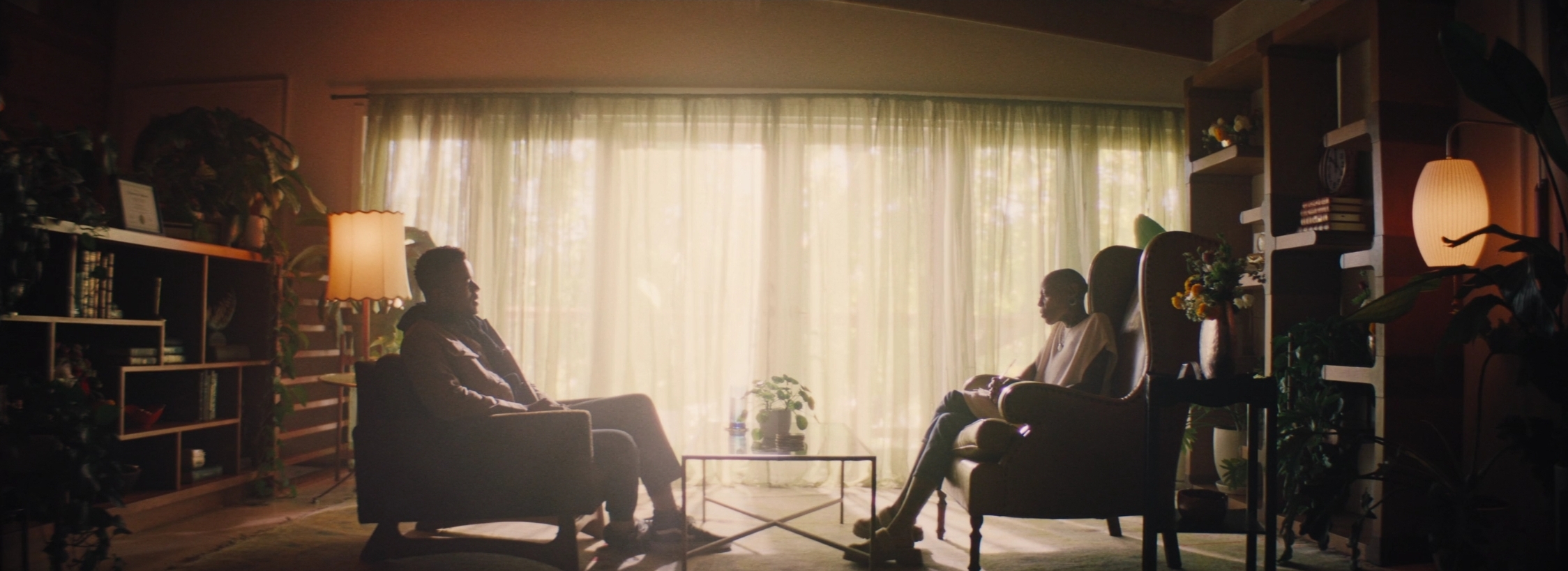
That’s Our Time (Alex Backes)
Calling card cinema. Look, I know how to work with special effects, direct moody images, treat death as a disposable joke… Everything feeds into the gimmick. This is something I just have no use for.
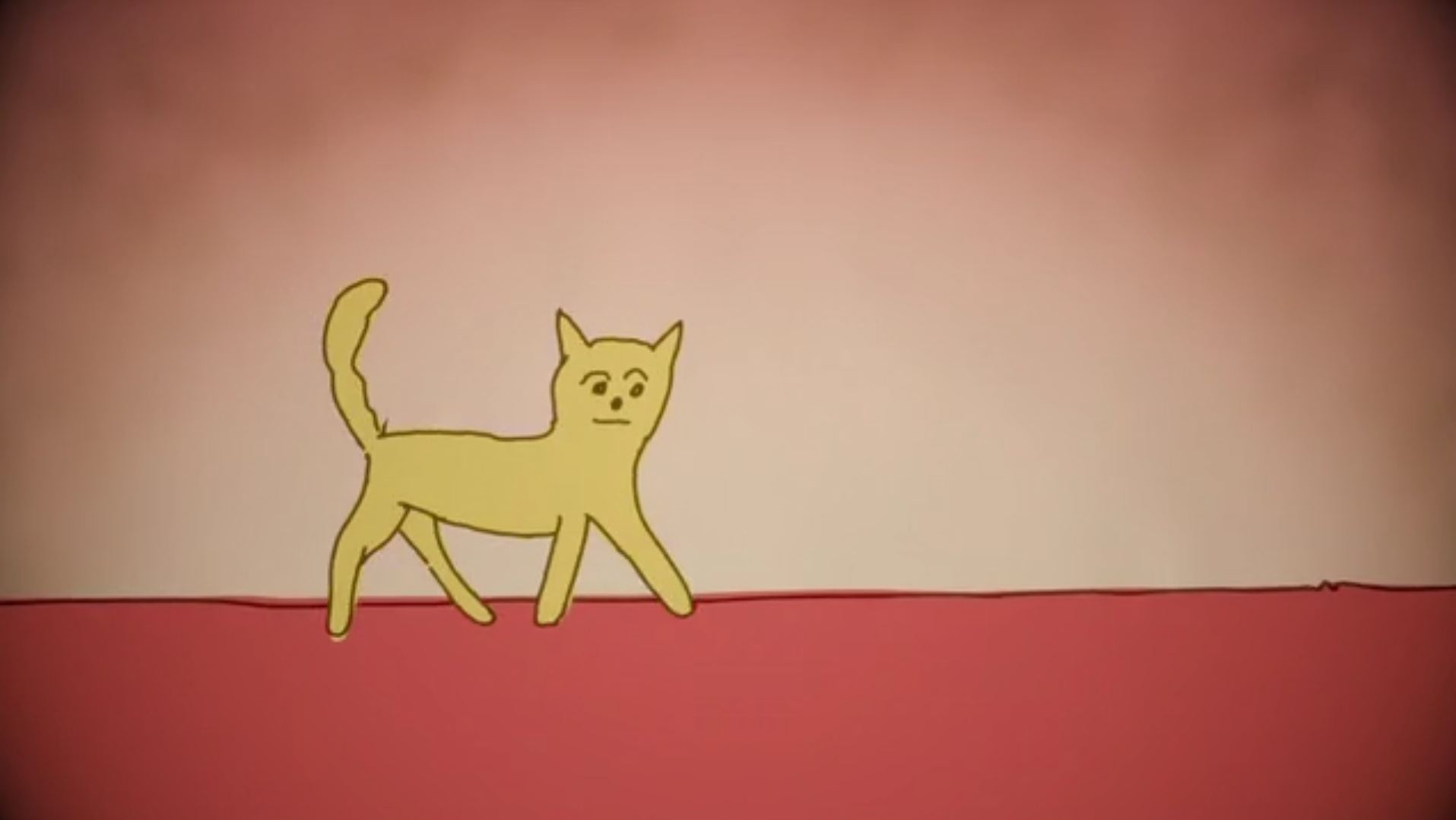
Today I Will Be the Bread (Andy Cahill)
Its tossed-off surrealism reminded me of Tatsuo Sato’s Cat Soup, but its inventiveness is simply not sustained throughout, although the imagery tries its hardest to dazzle and weird out.
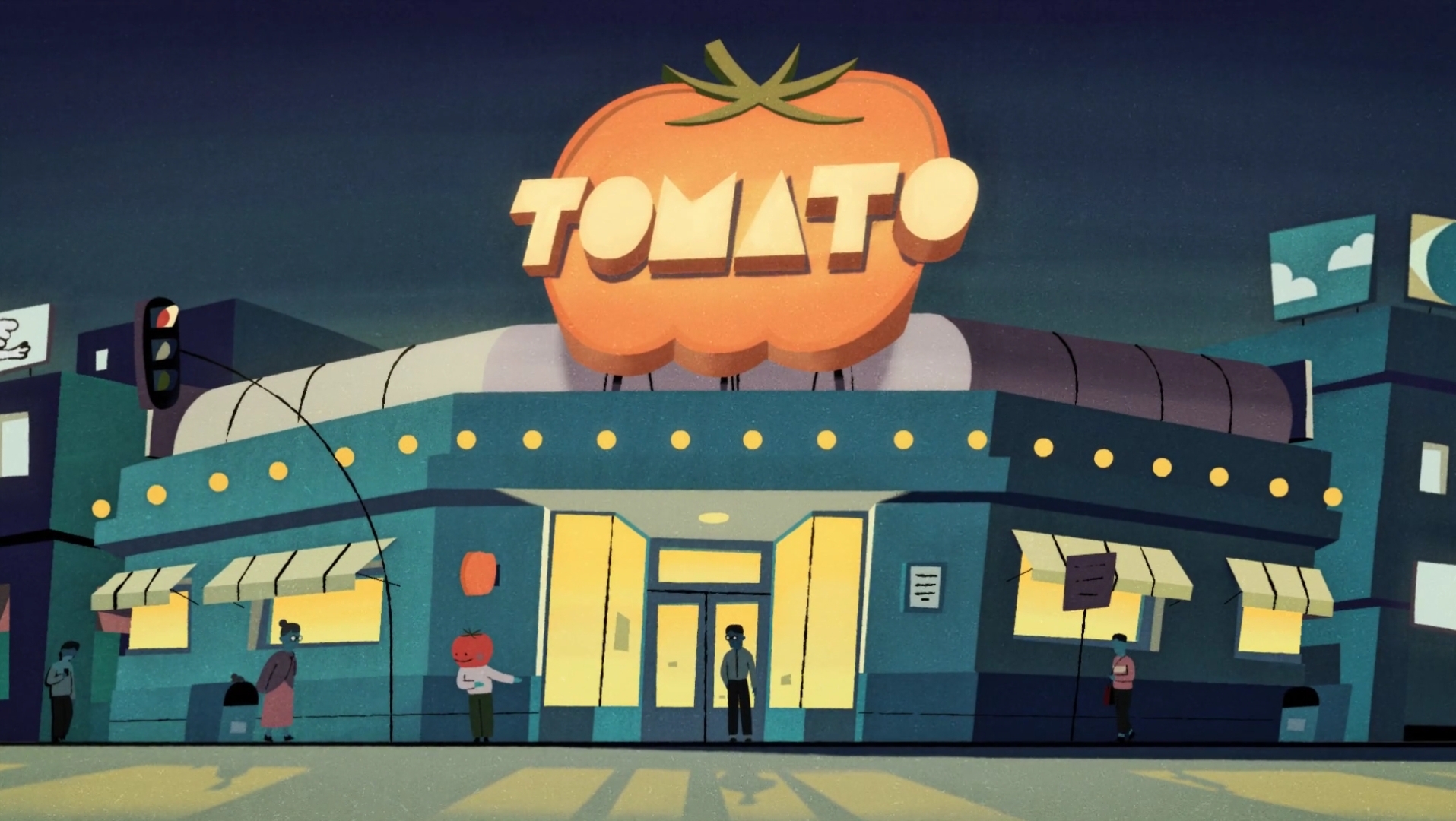
Tomato Kitchen (Junyi Xiao)
The animation style itself does not appeal to me, and the narrative (which paints a dystopian nightmare where tomatoes are sentient beings who are systematically killed for humanity’s nutrition!) is all over the place. It’s not boring.

The Wake (Luis Gerard)
As soon as the gun appears, I lost all hope. The behavior and the relationship between the brothers is interesting, but once that gun appears it’s simply a waiting game. And the ending itself, with its dumb-as-rocks twist and scrambled chronology, tells us precisely what we already knew – the filmmaker is not confident enough in their story, confident enough in the world they’ve created… No, some violence is required.
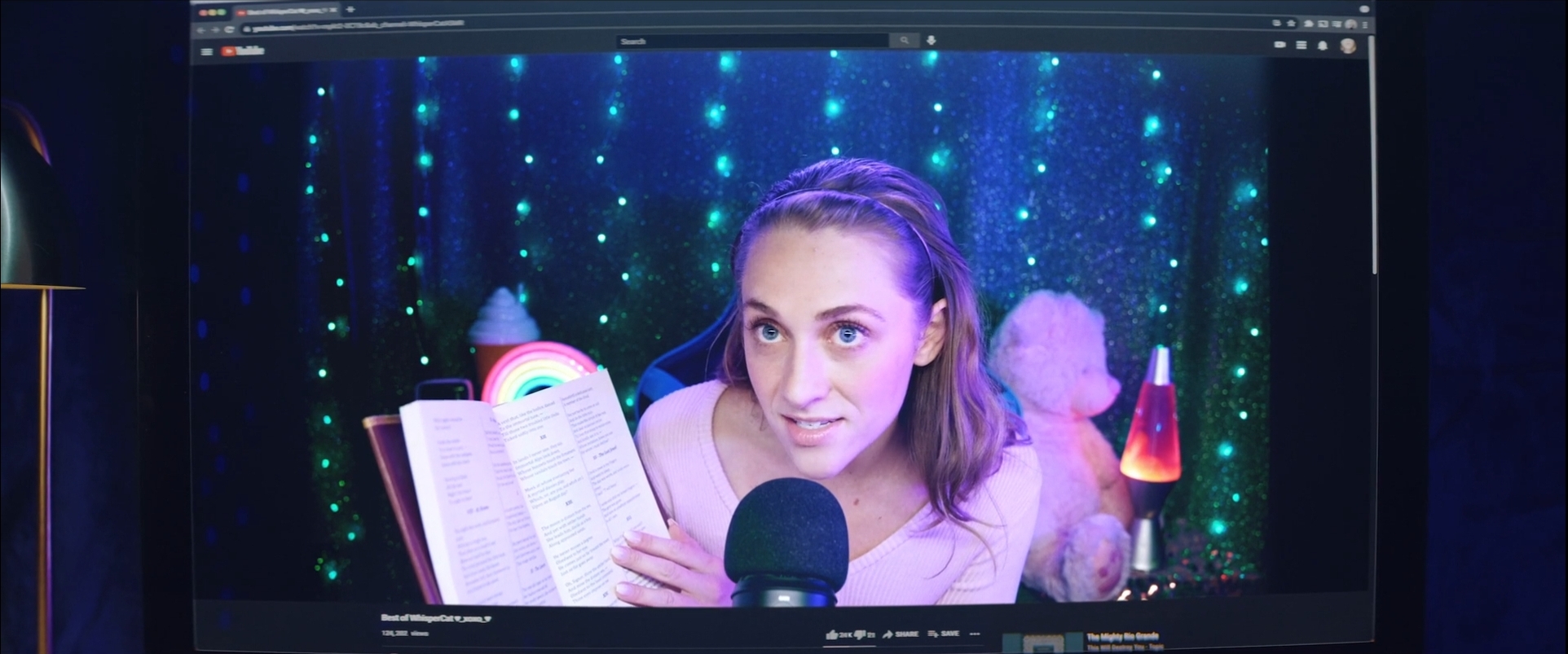
Whisper (Spencer Allred + Lindsey Watson)
The collision between the stress of motherhood and the pressures of online parasocial relationships meet in this film. The main character is an AMSR youtuber who is trying to present their best version of themselves to her followers. Perhaps it’s just my bias, but as soon as films are near the land of influencers and social media, I start to mentally check out. It’s not fair, but this is just not an area of our contemporary life that I particularly care for, nor do I want particularly want to see it being explored in films. That said, the suicidal ideation here, and its representation (when the images become less composed, like we are also looking through the camera in the livestream…) are hard to watch.

Wild Ones (Hanly Banks Callahan)
A former assistant director to Terrence Malick (and wife of Bill Callahan apparently), which is visible in those cliched shots of the kid up in the tree, the camera gazing up at the sky, the light of the sun just and perfect. Most of the film is given over the play between mother and son, which I found refreshing after a series of shorts that have nothing to give but their empty narratives. When Justin Arnold shows up (a gifted actor and the director of a pretty good 2022 DIFF selection, Mother Fucker) and we begin to understand the world of these characters, everything becomes muddled and strange.

The Word (Rob Neilson)
Part of the issue with the shorts at DIFF is the selection favors films with very recognizable gimmicks, which always rest on the surface. They get your attention, sure, they might be memorable, but there’s never any mise en scene, any idea about cinema. Some of them could just be comedy sketches put on Youtube, which is arguably perhaps not what we would want for a film festival. The inclusion of a short like this makes us question the programming line – what is the idea of film being proposed here? And what are we doing politically with a film like this? It is a blunt proposition, which again reaffirms the sketch status, with white people on one side, and black people on another one. There is a negotiation and humor (the Kanye aside is brutally unfunny, the Clarence Thomas joke made me chuckle), but what is this film really risking? Without this, there is nothing.
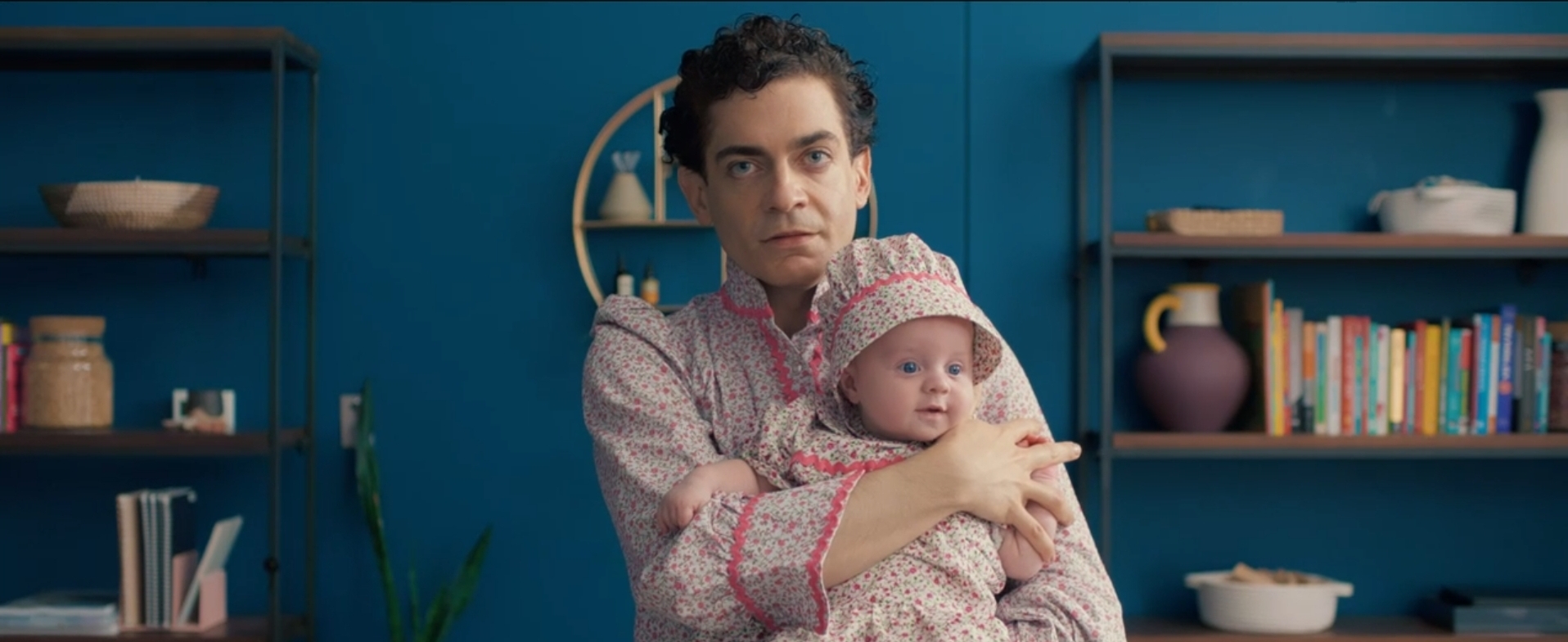
Wüm (Anna Margaret Hollyman)
A series of stereotypes and jokes, interactions where the violence of everyday liberal speech is felt and dealt with. The characters are funny, but dramatically there’s nowhere for the film to go.

X To X (Lily Gwinne Thomas)
If we are to take stock of contemporary cinema (and its future) from the offerings of the Dallas International Film Festival short selection, then the report would be a worrying one! We have filmmakers who need a certain amount of resources, who need drones, who need complicated lighting schemes, who need gimmicks, who need violence, who need state funding and grants, who need so much… in order to film so little. A film like X to X reveals little about the filmmaker but an ambition to direct prestige TV, something like Killing Eve, if we are to take the final movements of the character, the camera, the music, orchestrating a pose that’s completely empty. Why do we go to the trouble of building and decorating this set, a Texas bar, if the only purpose is to film it with condescension? Why do we go to the trouble of filming the actress (and her double) when nothing is at stake but a cheap twist?
I always tell my board of directors and people that ask me, I wanted Dallas International Film Festival to be TIFF at one point.
James Faust, Artistic Director of Dallas International Film Festival
It should be said that the above quote is specifically for the features programming, and that James Faust himself does not really program the shorts. These are handled by the senior programmer, Amber Ekleberry. However, the quote is emblematic of the disconnect I detect between the festival and the greater film world at large. DIFF is well within its rights to look at TIFF and Sundance and SXSW for its programming. It makes sense. But when it comes to the Latin American cinema, it is fair to say that the most interesting films are not found there, but rather in the local festivals of their respective countries (festivals such as Black Canvas, BAFICI, Cartagena, Tiradentes). The Latin American shorts block has very little to do with the most vibrant filmmaking going on in these countries, which is a shame as DIFF should be uniquely positioned to embrace its link to its neighbors (Mexico in particular). With this mind, let’s now discuss the shorts in the Latino section.
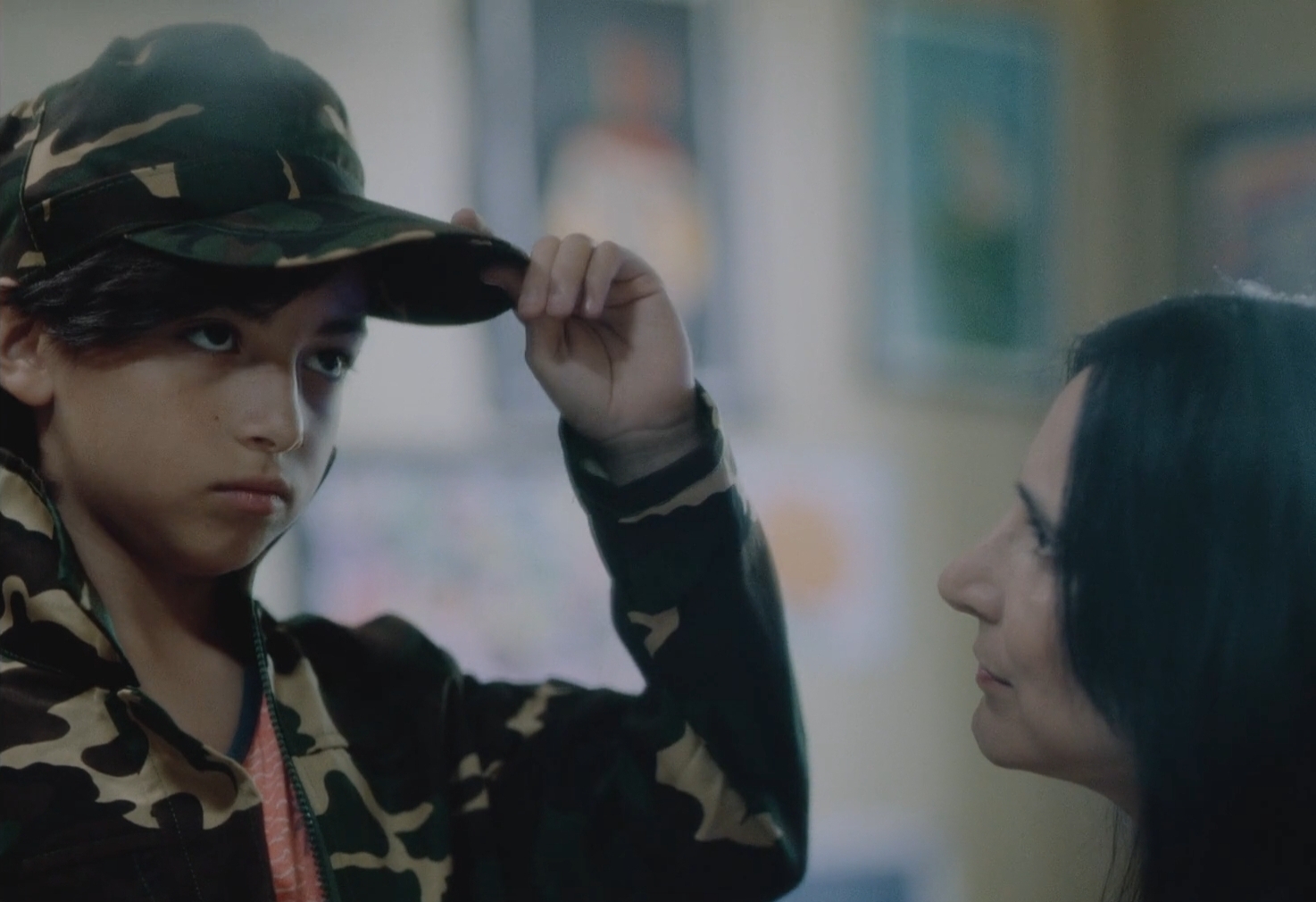
I am Poem (Maite Bonilla)
The heavy-handed nature of the construction is felt at every single moment (she makes him dress like a soldier, the father is actually supportive, etc.) and the characters never get a chance to establish themselves beyond these basic broad strokes. Is it enough to establish a solidarity with this young character? I don’t think so. The character’s chosen name is Poem, but there’s zero sense of poetry here.

In Tow (Sharon Arteaga)
In theory, the premise has all sorts of conflicts built into it – generational and economic primarily. But every gesture is obvious, broad, maybe even cartoony. Not that this is necessarily wrong, but the approach seems at odds with the ostensible realism of the situation (is it even realistic?) I think the approach is this: we have these conflicts, these characters, and that will be enough. But… there’s no relationship to the camera, to movement, to staging… it’s all concept.

Un Éclat D’Amour incompréhensible (Dante Silva)
Here is a short that has ambitions. But it trades dealing with a certain set of clichés for other (artier) ones. The crying monologue, the dance interlude at the club, the shots of the sea… Too many stock art film stereotypes with not enough of a strong authorial voice to push them in an interesting direction.
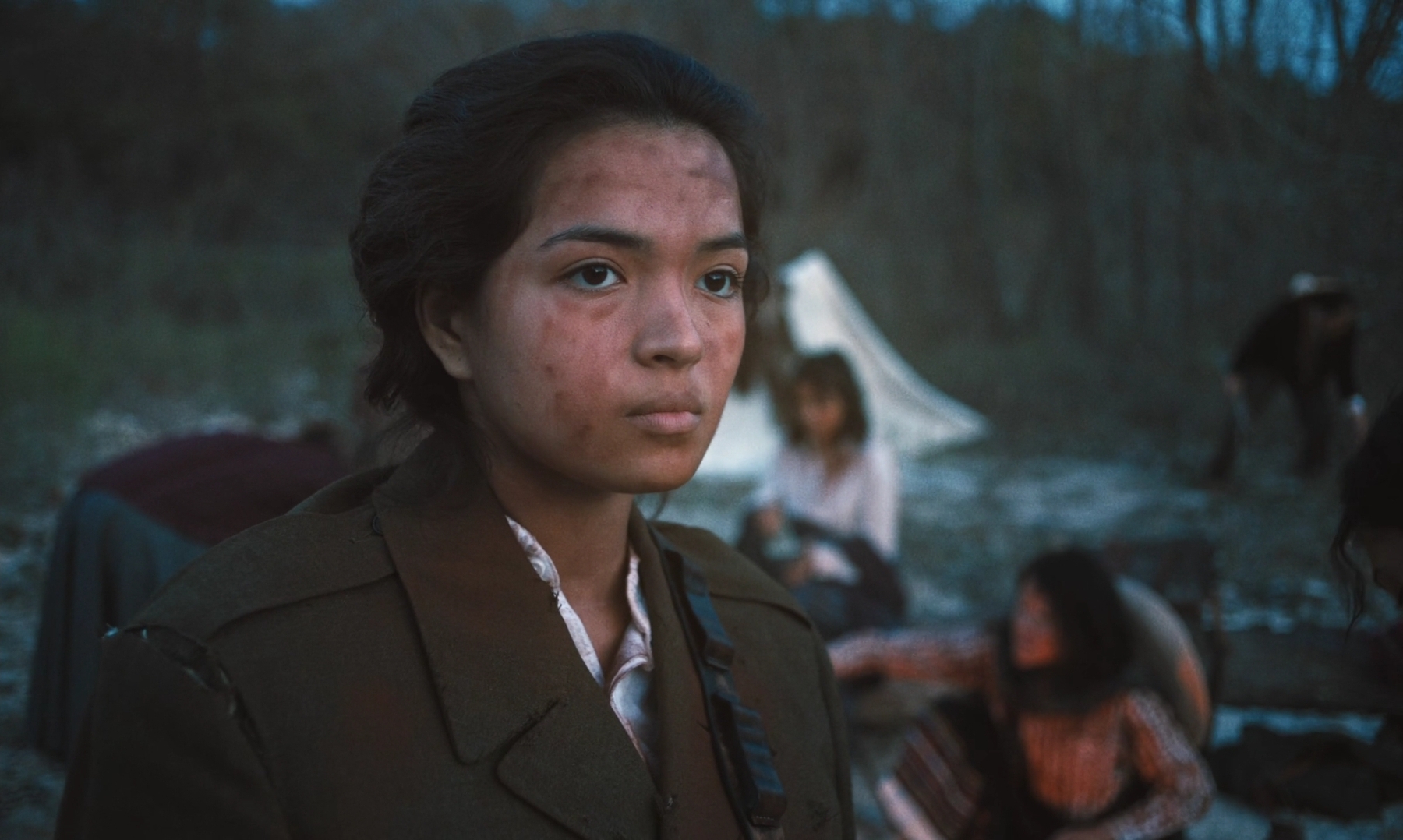
The Ugly Cat (Daniel Fabelo)
The story of sisters separated by the Mexican revolution seems ripe for melodrama, following the footsteps of filmmakers like Ismael Rodríguez and Emilio Fernández. But, no, this vision is much too tamped down, far too prosaic, tied to a verisimilitude that doesn’t lead it down any interesting pathways.
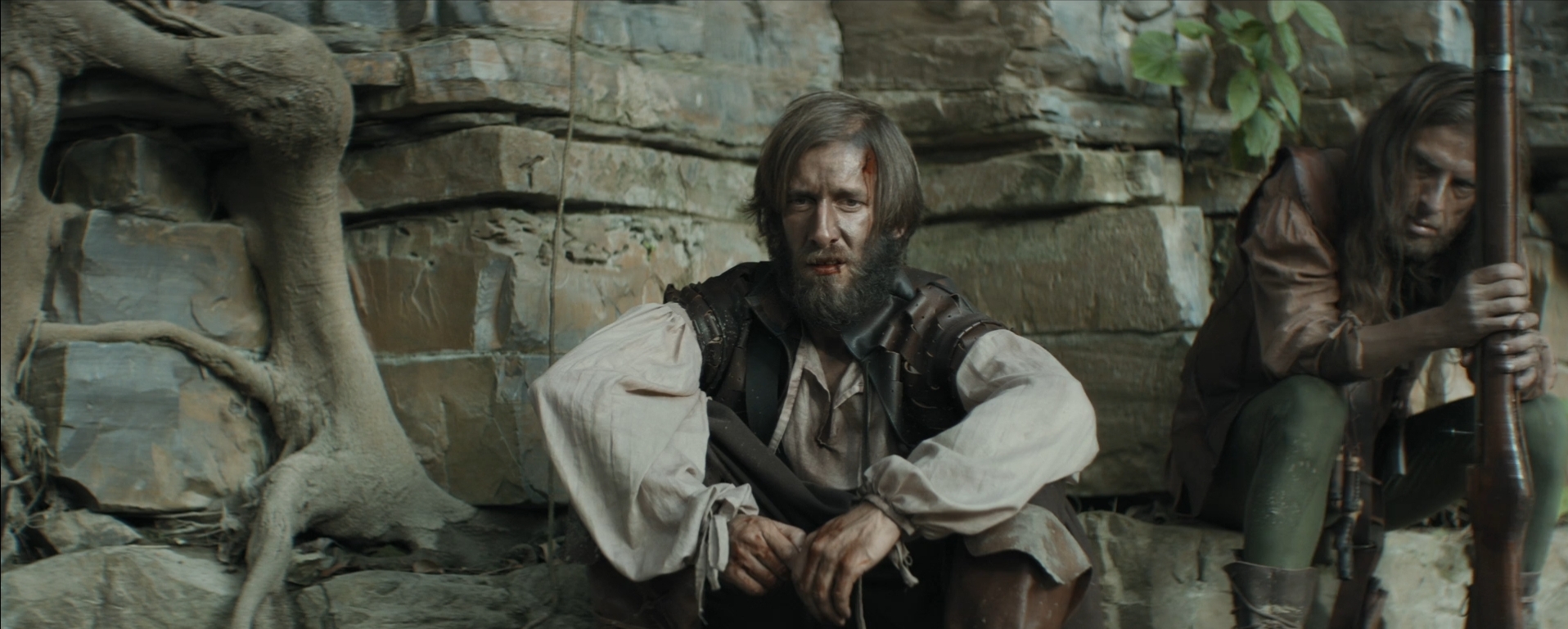
The Sons of God (Sebastian Torres)
Obviously impressive in terms of its production design, costumes, scope, etc. But what I see is money on the screen, not necessarily something too unique. I see a filmmaker who seems like they’re auditioning to make something bigger, like whoever directs those Game of Thrones battle episodes or something like Vikings (does that still exist?). But, there is skill here, craftsmanship, and it wouldn’t surprise me if this were a person we had to pay attention to in the future.
Postscript
During the writing of this article, film after film, I became increasingly bitter about the quality of the films. I wondered about the selection process – were the short films tracked in the same way as features? Or were all the films just taken from the Filmfreeway submissions? And if they are indeed going out and looking for films, where are they looking at?
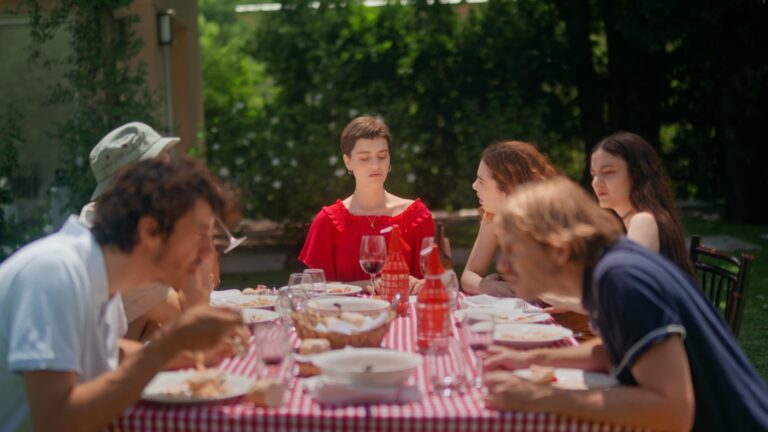
Just taking a quick look at the BAFICI program I found two shorts that were handily better than anything programmed here. It was not difficult -I reviewed the program, they seemed interesting, and I asked to see them. They are Los Novios and Una ofrenda musical. The first is a type of Duck Amuck-like sketch where the two boyfriends who tag along to a family gathering of their girlfriends struggle to assert themselves in the narrative of the film, frequently inhabiting a limbo-like space whenever they are not needed in the story. The idea of the film is clever, the execution is mostly confident, and the humor is winning. The second is a first person documentary by a young gay man chronicling his cancer diagnosis and treatment. At first, the gaze is outward, toward parties, toward the world, and a little uninteresting. But once the director turns the camera on himself, registering his body, his humor, his grace, the film loses all clichés of this form… Of course, DIFF and BAFICI overlap in the calendar. But the point stands that it didn’t take too long to find two films that would’ve immediately stood out in the program. Maybe they couldn’t make it for the 2023 edition, but it’s not too late for the 2024 edition. But you have to go out there and look.

 Lucky Star
1 comment